

Fencing Gap Fillers for Perth: Boost Privacy and Security
Fencing gap fillers sound simple, but if you care about privacy, security, and a clean finish on your Perth property,
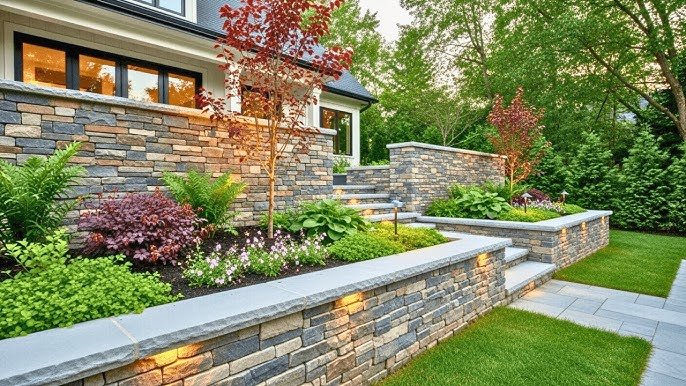
Retaining walls do a lot more than hold soil in place. If you want them to last, the drainage behind them matters just as much as the concrete, steel, or sleepers you see on the surface.
Retaining wall drainage is the system that controls how water moves behind and under your wall. It usually combines a few elements such as gravel backfill, perforated pipes, weep holes, filter fabric, and surface drainage that all work together to stop water from building up pressure behind the wall.
When drainage is designed properly, water can move through the soil and escape in a controlled way. The wall holds back soil, not water pressure. That difference decides if your wall stays straight for years or starts leaning, cracking, or collapsing.
Water is the number one enemy of retaining walls. If it cannot escape, it builds up behind the wall and creates what engineers call hydrostatic pressure. In plain terms, that pressure is your wall being pushed from behind every time it rains.
Without the right drainage, you can expect problems such as:
Once these issues show up, they are expensive to fix. In many cases, you have to rebuild the wall and the drainage from scratch.
Perth has its own mix of conditions, with local soil types, long dry spells followed by intense rain, and coastal exposure in many suburbs. Retaining wall drainage that works fine in one region can struggle here if it is not designed for this climate.
For homeowners, that means choosing drainage that protects landscaping, nearby fencing, and outdoor areas with as little ongoing maintenance as possible. If you are already planning new fencing or a retaining upgrade, it is worth looking at the wall and fence as one system, especially if you are considering long life options like engineered panel and sleeper retaining walls.
Developers and builders need drainage solutions that scale across whole streets or complexes, work with the chosen wall system, and keep projects compliant and on schedule.
Commercial property owners have another layer to think about, including safety, site access, and how water flows around car parks, hardstand areas, and security fencing.
The right retaining wall drainage is not a one size fits all decision. It has to suit the wall material, the soil, the slope, and how the space around it is used, especially in Perth conditions. Get that right at the design stage and you protect your investment in walls, fencing, and the rest of your property for the long term.
Not every retaining wall needs the same drainage setup. A backyard in a quiet suburb, a new residential estate, and a busy commercial yard all put very different demands on a wall and the drainage behind it.
If you are a homeowner, your priority is usually simple. You want the wall to stay put, protect your garden, and not create extra weekend jobs.
Good drainage supports that by:
For most homes, that means simple, robust drainage that copes with Perth downpours, works with your soil type, and ties neatly into surface drainage around patios, pools, and side paths.
For developers and builders, one wall is rarely just one wall. You might be repeating the same design across [insert number] lots, dealing with stepped blocks, and coordinating trades on a tight schedule.
Drainage needs to tick a few boxes at once:
Get the drainage design right upfront and you avoid rework, delays, and warranty headaches later, especially on larger retaining packages.
Commercial and industrial sites usually deal with harder use. Heavy vehicles, storage loads, security fencing, and more complex stormwater paths all push extra pressure into the design.
Drainage design on these sites needs to:
This is why retaining wall drainage should never be a copy and paste detail. The right solution is tailored to the property type, how the land is used, and the long term expectations for that wall and the fencing or structures that sit above it.
Every retaining wall in Perth needs a way to get water out from behind it. The right mix of drainage elements depends on the wall material, soil, height, and how the area above is used. Here is how the main options work and where they fit.
What they are: Small openings through the wall that let water escape from behind.
Benefits:
Limitations:
Weep holes suit solid walls such as concrete and masonry where a clean façade is less important than function, or where you can hide outlets with landscaping.
What they are: Pipes placed behind the wall, often at the base, that collect water and carry it to an outlet point.
Benefits:
Limitations:
Perforated pipes pair well with panel and post retaining walls, concrete sleeper systems, and engineered commercial walls where consistent performance matters.
What it is: A layer of coarse, clean aggregate behind the wall to let water move freely down to pipes or weep holes.
Benefits:
Limitations:
Gravel backfill is a go to for most domestic and commercial retaining walls in Perth, especially where clay or reactive soils sit behind the wall.
What they are: Permeable fabrics that sit between soil and gravel, or around pipes, and let water through while holding soil back.
Benefits:
Limitations:
For eco conscious owners, geotextiles support long life systems, which means fewer repairs and less material going to waste over the life of the wall.
What they are: Surface drains, grated channels, or swales that intercept water before it reaches the wall.
Benefits:
Limitations:
Drainage channels are especially useful where retaining walls sit below car parks, paths, or boundary fencing lines that shed a lot of water toward the wall.
The smartest drainage designs in Perth combine several of these elements, so your wall handles both everyday moisture and the intense downpours that arrive without warning, while keeping maintenance and long term impact on the environment under control.
If you want a retaining wall that quietly does its job for the long term, you have to get the drainage design right from day one. This is where walls in Perth succeed or fail.
Water always follows the easiest path, so give it a clear route away from your wall.
If the grading fights the drainage, you end up with trapped water and pressure you did not plan for.
Strong designs use a simple layered approach.
For taller or engineered walls, this layered system is non negotiable, especially where the wall supports structures, driveways, or modern fencing above.
You can have perfect gravel and pipework, but if the water has nowhere safe to go, you still have a problem.
If you cannot point to where the water leaves the system, the design is not finished.
Perth sees long dry stretches, then short, intense rain. Materials need to handle both.
You can drastically cut upkeep if you plan for access.
A simple seasonal check and quick clean around outlets keeps most systems working smoothly.
Good drainage design is simple, but it is not guesswork. A clear plan, the right layers, and honest attention to outlet paths will protect the wall, the fencing above it, and everything built around it.
If you want reliable retaining wall drainage, you have to build it in from the start. Here is the practical flow most quality installs follow.
1. Site assessment
2. Excavation and base preparation
3. Install drainage components
4. Backfilling and compaction
5. Final grading and surface drainage
If you want a deeper breakdown of how retaining walls are put together, including structure and finishes, you can cross check with a detailed guide like the retaining wall installation guide for Perth landscapes.
Good drainage systems do not need constant attention, but they do need basic checks.
For most homeowners, a quick seasonal walk around the yard and a few minutes clearing outlets is enough to keep a well designed system working.
Small garden walls can sometimes be a DIY job. Large, high, or loaded walls are a different story. If the wall supports buildings, driveways, pool areas, or major fencing lines, the risk of getting drainage wrong is too high.
Professional installers bring engineered details, correct materials, and the right machinery to shape falls, compact backfill, and connect drainage into your broader stormwater system. That upfront care saves you from costly rebuilds and protects the rest of your property from avoidable water damage.
Good retaining wall drainage is not just about smart design, it has to align with local rules and safety standards in Perth. If you ignore that side of it, you risk failed inspections, neighbour disputes, and expensive rectification work.
Retaining walls sit at the intersection of structural design, stormwater management, and boundary control. That means drainage is tied into:
In practical terms, that means you cannot just point a drain at the fence line and hope for the best. The outlet must be lawful, and the system must match the approved design.
For developers, builders, and commercial property owners, the compliance bar sits higher. You are often dealing with:
In those cases, drainage design usually forms part of the certified drawings. Changing pipe routes, outlet locations, or backfill types on site without sign off can put you out of compliance, even if the wall looks fine at first glance.
Working to the right standards does more than tick a box.
If your wall is more than a simple garden edge, treat it like a structure, not landscaping.
When in doubt, get professional advice before you dig. It is cheaper to adjust the design on paper than to rebuild a non compliant wall that started with the wrong drainage.
Retaining wall drainage is not a detail you add at the end, it is the backbone that keeps the whole structure stable, safe, and looking sharp for the long term. When water has a clear path to move away from your wall, you avoid the silent problems that ruin walls in Perth, such as pressure buildup, erosion, and water tracking into yards, car parks, or buildings.
For Perth homeowners, the right drainage protects your landscaping, paving, and fencing, without turning into another weekend job. For developers and builders, well designed drainage cuts rework, keeps projects compliant, and helps you hand over sites that do not come back as warranty headaches. For commercial property owners, a robust drainage system supports safety, security infrastructure, and business operations around hardstand areas and access points.
The key is simple. The drainage solution must match the wall, the soil, the load, and the way the space is used. Perth’s mix of sandy pockets, heavier clays, sloping blocks, and intense downpours means a generic detail is not good enough. A garden wall behind a patio, a stepped boundary wall with Colorbond fencing in Perth’s southern suburbs, and a commercial retaining line near secure gates all need slightly different drainage strategies if you want them to last.
Here is how to move forward with confidence:
If you are planning new retaining or upgrading fencing at the same time, you can get more value by treating the wall and fence as one integrated system. A good starting point is to review how quality retaining systems affect long term costs, such as in this guide on why quality retaining walls reduce long term expenses, then speak with a specialist for a design and quote that fits your specific site.
You do not need to become an engineer. You just need to choose people who understand drainage, respect Perth’s regulations, and design with your long term plans in mind. Get the drainage right once, and your wall, fencing, and outdoor spaces will quietly do their job for years.
Fencing gap fillers sound simple, but if you care about privacy, security, and a clean finish on your Perth property,
Colorbond fencing is a pre painted steel fencing system that gives you solid privacy, security, and a clean modern look
Asbestos fencing sits in that awkward category of “out of sight, out of mind” until you start planning upgrades or

If you live in Perth, your side gate does a lot more than just fill a gap in the fence.