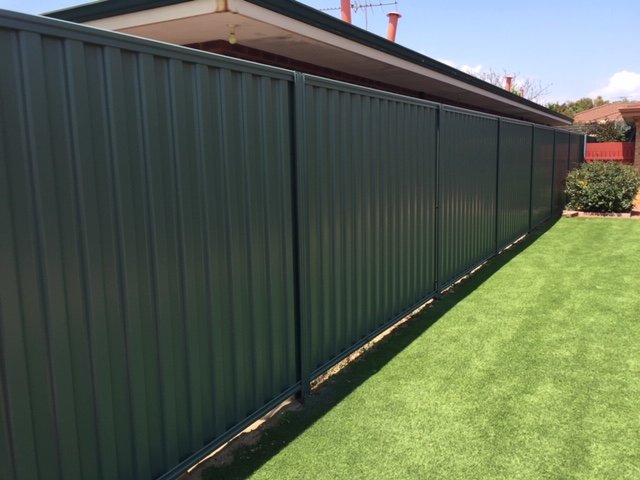
Asbestos fencing sits in a lot of Perth backyards and around older commercial sites, and most people have no idea it is there. If you own a home, manage a commercial property, or develop new projects, you cannot afford to guess. You need to know exactly what you are dealing with.
When asbestos in a fence is disturbed, it can release fine fibres. If someone breathes those fibres in, they can lodge in the lungs and stay there. The health impacts often show up much later, which is why asbestos is treated so seriously across Australia. You do not need to panic if you suspect an asbestos fence, but you do need to treat it with respect and avoid rough DIY work around it.
There is also the money side. Old asbestos fencing drags down the look and feel of a property. Buyers and tenants in 2026 are far more aware of asbestos risks. If they see suspect fencing, they usually see cost, delay, and hassle. That can hurt your sale price, slow a lease, or complicate a development approval. On the other hand, replacing asbestos fencing with modern options like Colorbond, aluminium slats, or glass pool fencing can tidy up your boundary, reduce maintenance, and support your property value. If you want ideas on modern options, you can explore different fencing types for Perth homes through resources like this style and strength guide.
Legal obligations are just as important. Across Australia, and particularly in Western Australia, property owners have clear responsibilities around asbestos. That includes how it is identified, how it is handled, and how it is removed and disposed of. For developers and commercial owners, poor asbestos management can stall projects and create serious compliance issues. Even for homeowners, doing the wrong thing with an asbestos fence can put you on the wrong side of council requirements or workplace safety rules if trades are involved.
This guide will walk you through how asbestos ended up in fences, how to spot the signs, and what to do next. The goal is simple. Help you protect people on your property, stay on the right side of Australian regulations, and move toward safe, low maintenance fencing that you do not have to worry about.
What Is Asbestos and How Was It Used in Fencing?
Before you can spot an asbestos fence, you need a clear picture of what asbestos actually is and how it ended up in so many Perth boundaries.
What Asbestos Is In Simple Terms
Asbestos is a group of naturally occurring minerals that form very fine, strong fibres. Those fibres were mixed into cement and other building products to create what you will often hear called asbestos cement or fibro.
The common asbestos types used in building materials are grouped into a few categories, usually described by fibre shape and colour. You do not need to memorise the technical names for fence identification. What matters for you is this. If the product contains asbestos, cutting, grinding, breaking, or weathering can release tiny fibres that are dangerous when breathed in.
How Asbestos Ended Up In Fences
For many years, asbestos cement sheets and panels were a standard product for fencing on residential, commercial, and industrial sites across Australia. Builders and property owners liked it because it was:
- Cheap and widely available, which suited tight project budgets
- Strong and rigid, so it held up well as a boundary material at the time
- Fire resistant, attractive for dense suburban blocks and commercial yards
- Weather resistant, with good performance in sun, wind, and rain
As a result, you still see a lot of asbestos cement fencing around older suburbs and older commercial precincts. It usually appears as solid sheets or corrugated style panels fixed between concrete or metal posts.
Why That Old Fencing Is A Problem Now
Asbestos products do not last forever. Fencing cops years of sun, wind, impact, and ground movement. As asbestos cement ages, it can become brittle, cracked, and crumbly. When that happens, the chance of fibres becoming airborne increases, especially if someone tries to remove panels, trim the top, or cut through it for a new gate.
The health risks from inhaled fibres are serious, which is why Australia has banned new asbestos use and regulates how existing asbestos is handled and removed. That old fence that once seemed low maintenance now brings health, legal, and disposal issues every time you plan a renovation, subdivision, or new development.
If you are looking to move away from asbestos and toward modern, low maintenance options, it helps to understand what is possible now. Materials like Colorbond and aluminium slats give you privacy and strength without the asbestos risk. You can compare modern materials through resources such as colorbond versus traditional fencing guides when you reach the replacement stage.
How To Identify If Your Fence Contains Asbestos
You can often spot a likely asbestos fence with a careful visual check, as long as you do it gently and safely. The goal is to gather clues, not to prove it on the spot. Only lab testing can confirm asbestos, but you can get a strong idea of the risk.
Start With Fence Age And Location
As a rough guide, older suburbs and industrial areas are more likely to have asbestos fencing. If the fence has clearly been there for decades and sits beside older homes, workshops, or warehouses, treat it as suspect until a professional says otherwise.
If you know the fence went in before asbestos products were phased out in Australia, that is another strong warning sign. When records are unclear, take the cautious approach.
Visual Signs Your Fence May Be Asbestos
Stand back and look at the fence without touching it. Common signs include:
- Flat or corrugated cement sheets that look like heavy grey boards or roofing profile panels
- Fibrous appearance on broken edges, where the inside looks like packed fibres rather than uniform smooth cement
- Brittle and chalky surface, often with surface pitting, weathering, and lichen or moss growth
- Panels between concrete or metal posts with no visible steel capping like a modern Colorbond fence
If any sheets are cracked, snapped, or have pieces missing, look at the break from a safe distance. A fluffy or hairy texture on the edge can indicate asbestos cement.
Safety Precautions During Your Inspection
Treat the fence as asbestos until proven otherwise. That means you should:
- Do not drill, cut, grind, or pressure clean the fence
- Do not snap off loose pieces just to see what is inside
- Keep kids and pets away from damaged sections
- Avoid dry sweeping around the base of the fence
If you must get close, wear a P2 respirator, disposable coveralls, and gloves, and avoid brushing against the surface. Do not sand or scrape it under any circumstances.
If the fence shows several of these signs, treat it as likely asbestos and bring in a licensed professional for testing or removal advice. When you are ready to replace problem fencing, you can look at modern, low maintenance options such as Colorbond or aluminium slats through resources like Perth fencing style and strength guides or speak with a specialist who handles asbestos fence removal in Perth.
Health And Safety Precautions When You Suspect Asbestos
Once you suspect your fence contains asbestos, the priority is simple. Keep fibres out of the air and away from people. That means slowing down, stopping any DIY plans, and following some clear safety steps.
Immediate Actions To Take
If you think a fence may be asbestos, treat it as if it is. Take these actions straight away:
- Stop all work near the fence, including digging, grinding, cutting, or pressure cleaning
- Do not break, bend, or pull at panels, even if they already look damaged
- Keep kids, pets, and unnecessary workers away from that section of the property
- Avoid disturbing debris at the base of the fence, do not dry sweep or blow it around
For homeowners, this often means blocking off the area where kids usually play. For commercial sites and developments, it usually means taping or fencing off the zone and updating site safety instructions.
If You Must Go Near The Fence
If you need to get close to the fence for any reason before a professional attends, protect yourself and keep contact minimal.
- Wear a P2 respirator rated for fine particles
- Use disposable coveralls and gloves so you do not track dust into vehicles or your home
- Avoid brushing or rubbing the surface of the fence
- Do not hose at high pressure, as that can spread fibres
Once you are done, carefully remove disposable clothing, bag it, and wash your hands, face, and any exposed skin. Keep protective gear separate from normal laundry.
When To Call In Asbestos Professionals
You should bring in a licensed asbestos professional if any of the following apply:
- The fence is cracked, crumbling, or has broken panels
- You plan to remove, relocate, or cut into the fence
- The property is a workplace or construction site, and you have legal duties to manage asbestos risk
- There is dust or rubble around the base that might be from the fence
A licensed assessor can arrange testing so you know exactly what you are dealing with. If asbestos is confirmed, a licensed removalist can safely dismantle and dispose of the fence in line with Australian regulations. For Perth projects, it often makes sense to coordinate removal and new fencing together, using a specialist that handles both asbestos fence replacement and modern fencing installation, such as services described on dedicated fencing installation pages.
Once the asbestos is safely out, you can focus on long term, low maintenance options like Colorbond or aluminium slat fencing, which you can explore through resources such as Perth aluminium slat fencing guides.
Legal And Regulatory Considerations In Australia
Once asbestos is in the picture, you are not just dealing with an ugly old fence. You are dealing with a regulated material. In Australia, and in Western Australia in particular, there are clear rules around who can handle asbestos, how it must be removed, and where it can go.
Your Responsibilities As A Property Owner Or Developer
If you own or manage property, you have responsibilities to keep people on that property safe. That includes:
- Knowing if asbestos is present, especially on work sites and commercial premises
- Managing the risk, for example by keeping damaged asbestos fencing fenced off or restricted
- Using competent, licensed people for removal work above the permitted DIY limits
- Following local council and state requirements for disposal and site clean up
For workplaces and construction sites, asbestos management usually forms part of your broader safety obligations. That often means having an asbestos register and clear procedures before anyone cuts, demolishes, or removes boundary fences.
Removing Or Replacing An Asbestos Fence
As soon as you plan to remove or replace an asbestos fence, compliance steps start to kick in. Typical requirements include:
- Risk assessment before work starts, so you know where asbestos is and how fragile it is
- Using licensed asbestos removalists when removal exceeds the limited amounts or risk level allowed for unlicensed work
- Notifying the relevant regulator or council if the job size or location requires formal notice
- Making sure nearby neighbours and workers are protected, for example with barriers, signage, and controlled work methods
For Perth homeowners and developers, it often makes sense to coordinate asbestos removal with your new boundary design. If you are moving to Colorbond, you can line up removal and new installation together through a specialist fencing contractor. Guides such as how to choose the right Colorbond fence company can help you pick someone who understands both asbestos and modern fencing requirements.
Disposal Rules And Why Licensed Professionals Matter
Asbestos fencing cannot go in normal skip bins or landfill. It must be:
- Carefully lowered, not smashed or dropped
- Wrapped and sealed in suitable plastic or packaging
- Labelled as asbestos waste and taken to an approved facility
Licensed asbestos professionals handle all of this as part of their service. They know the local disposal sites, paperwork, and safe work methods, which means you avoid fines, compliance headaches, and arguments with neighbours. Once the old fence is gone and the site is cleared, you can focus on long life, low maintenance options like Colorbond, aluminium slats, or other modern systems, which you can explore through resources such as Colorbond fencing solutions for Perth properties.
Options For Safe Removal, Replacement, And Alternative Fencing Solutions
Once you know, or strongly suspect, that your fence contains asbestos, you have two priorities. Get it removed safely, then replace it with something that looks better, performs better, and does not give you a headache every time you plan work on the property.
Safe Removal And What A Professional Handles For You
Asbestos fence removal is not a DIY weekend job. A licensed removal team will typically:
- Inspect and plan the work area, including access points and protection for neighbouring properties
- Set up controls such as barriers, signage, and drop sheets to contain debris
- Carefully unbolt and lower panels rather than snapping or smashing them
- Wrap, seal, label, and transport waste to an approved asbestos facility
- Clean the site so it is ready for your new fence installation
Costs vary with fence length, access, height, and how damaged the fence is. Corners, tight laneways, and steep sites can add time. As a rule of thumb, the more intact the fence, the simpler and more efficient the removal. If you want one team to manage both the removal and the new build, speak with a specialist contractor that already works across Perth, such as the team behind these fencing services.
Replacement Options That Suit Perth Conditions
Once the asbestos is gone, you have a clean slate. The most popular replacements across Perth tend to be:
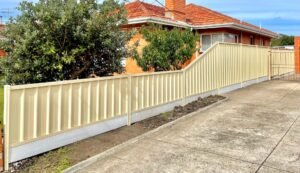
- Colorbond fencing for privacy, strength, and low maintenance along side and rear boundaries
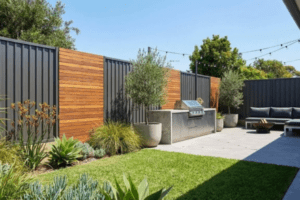
- Aluminium slat fencing where you want airflow, modern lines, and adjustable privacy for front fences and commercial areas
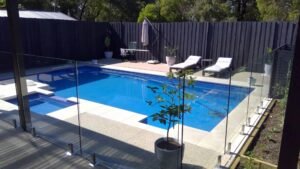
- Glass pool fencing, frameless or semi frameless, around pools and high end outdoor spaces
Colorbond works well for homeowners and developers who want a uniform boundary that keeps neighbours happy and handles coastal air. You can explore design and colour choices through tools such as the Colorbond fencing calculator.
Aluminium slats are a smart fit for clients who care about street appeal and airflow. They do not rust like untreated steel, and they need far less upkeep than timber. For more detail on layouts and finishes, have a look at dedicated resources such as aluminium slat fencing in Perth.
For pool zones and commercial facades, frameless or semi frameless glass gives you clear sightlines, clean architecture, and compliance with pool safety rules when designed correctly. It suits both residential courtyards and office or retail frontages.
Choosing What Works For Your Type Of Property
Here is a simple way to think about it:
- Homeowners often pair Colorbond on side boundaries with aluminium slats or glass at the front and around pools.
- Developers lean toward consistent Colorbond or similar systems that are fast to install across large runs and easy for buyers to maintain.
- Commercial owners usually combine security products such as garrison or chainmesh with aluminium slats or glass where presentation matters.
If you treat asbestos removal and new fencing as one project, you end up with a safer site, a cleaner look, and far less ongoing maintenance for years to come.
Conclusion: Prioritising Safety And Enhancing Property Value
If your fence might contain asbestos, ignoring it is the only real mistake. Once you understand the health risks, legal responsibilities, and impact on property value, it makes sense to treat asbestos fencing as a problem to solve, not something to work around.
For homeowners, that means protecting your family, cleaning up your boundaries, and removing a future headache when you go to sell. For developers and commercial owners, it means keeping projects on track, avoiding compliance issues, and presenting a site that looks modern and reliable, not tired and risky.
The safest path is clear. Identify suspect fencing, avoid disturbing it, bring in licensed asbestos professionals when removal is on the table, then invest in a modern fence that works hard in Perth conditions. Once the asbestos is out, you have a rare opportunity to redesign your boundaries properly, improve privacy and security, and line everything up with your long term plans for the property.
Modern materials such as Colorbond, aluminium slats, and glass pool fencing give you that mix of strength, low maintenance, and sharp appearance that older asbestos cement can never match. You spend less time fixing, painting, and worrying, and more time with a fence that quietly does its job year after year. If you want to compare styles and performance across different options, resources like style and strength guides for Perth fencing are a useful next step.
The key is to act on what you now know. Do a careful visual check, treat any suspect fence with respect, and get professional advice before you touch it. From there, plan the removal and replacement as one project. You end up with a safer site, a cleaner boundary, and a fence that supports, rather than drags down, the value and appeal of your property.
If you are ready to move past asbestos fencing and into long life, low maintenance solutions, speak with a specialist who works with both removal teams and modern fencing systems. You will pay for the upgrade once, then benefit from safer, stronger boundaries for years to come.