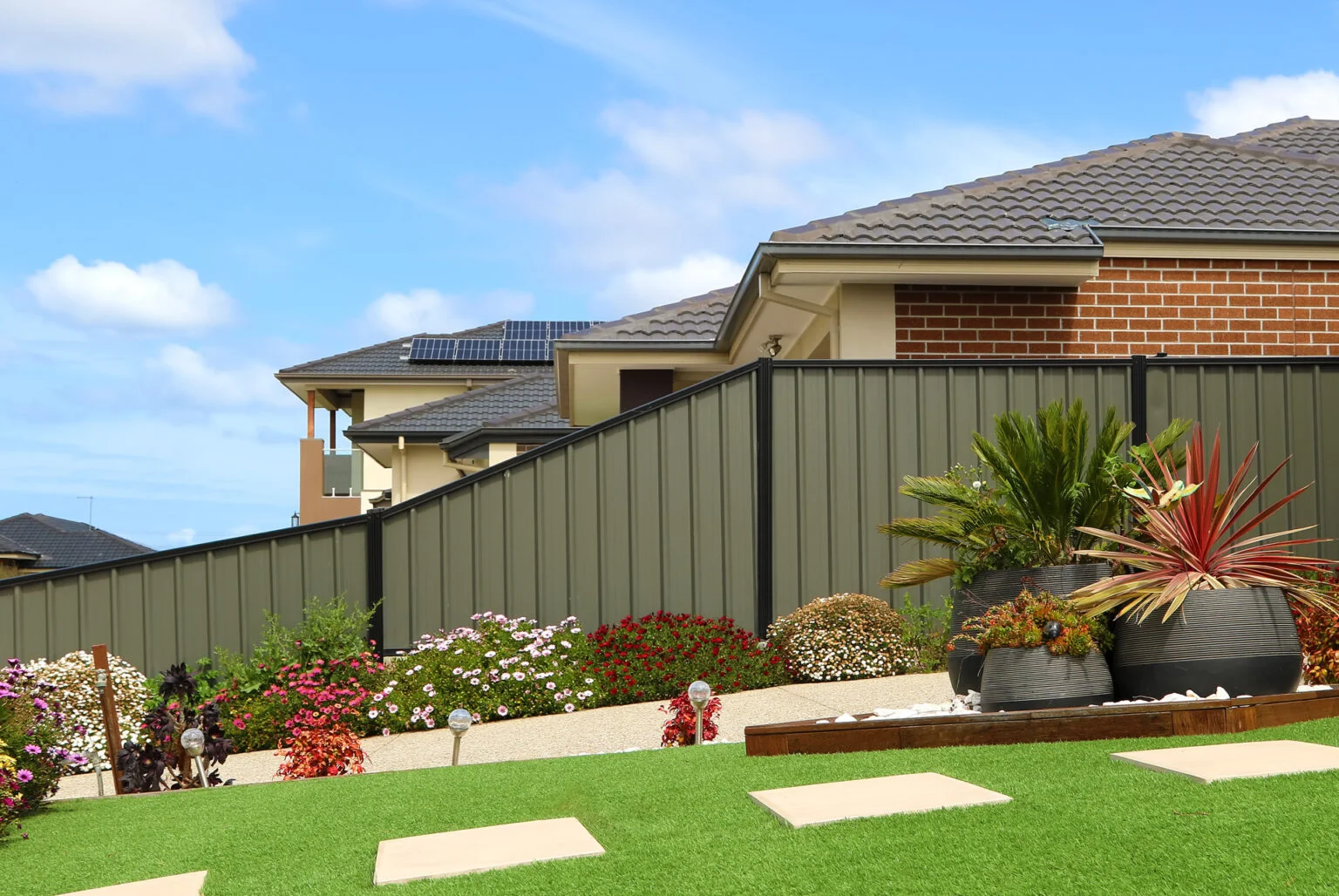
You can do a lot for your property just by choosing the right garden fence. You tighten up security, gain real privacy, tidy up those boundaries, and lift the whole look of your home or project. In Perth, where the sun is harsh, the wind can be unforgiving, and coastal air can chew through weak materials, your fence has to look good and work hard at the same time.
This guide walks you through practical garden fencing ideas that suit Perth conditions and the way you actually live and work. Whether you are a homeowner, a builder, or managing commercial property, you will see what works, what to avoid, and how to get a fence that keeps doing its job without constant repairs and repainting.
Why your garden fence matters more than you think
A fence is usually one of the first things people notice from the street. It frames your garden, sets expectations for your property, and sends a clear message about security. If you get it wrong, you deal with ongoing maintenance, complaints from neighbours, and a fence that dates your property or fails in bad weather.
Security you can actually rely on
For Perth homes, developments, and commercial sites, a fence is your first physical barrier. The right design and material can:
- Deter opportunistic access with clear, strong boundaries and limited footholds.
- Control entry points so people use the front gate or main access instead of slipping in from the side or rear.
- Work with gates and automation to create a consistent security system around the whole site.
Security fencing does not have to look harsh or industrial. Smart choices like Colorbond, aluminium slats, or garrison-style panels can give you a secure perimeter that still looks clean and modern. If you are planning serious security or access control, it is worth exploring dedicated security fencing options tailored to your type of property.
Real privacy, not just a visual barrier
Privacy is a big driver for Perth homeowners and for developers planning higher density projects. A good garden fence can:
- Block direct views from neighbours, public paths, or nearby commercial sites.
- Create quiet zones that feel more sheltered and comfortable, especially in small backyards or courtyard gardens.
- Give you usable outdoor “rooms”, so entertaining, kids play, or a home office garden area feel secluded.
Different properties need different levels of privacy. A family home near a busy road might need full-height, solid fencing. A commercial site may prefer semi-open designs that keep a professional image while still defining the boundary. The rest of this guide will dig into those choices so you can match your fence to how you actually use the space.
Aesthetic appeal and property value
A modern, well planned fence can make an older house feel current and intentional. It can pull together mismatched garden elements, complement your facade, and give developers and investors a clean, consistent streetscape.
When you align the fence style with the building and the garden layout, you get:
- Stronger curb appeal that helps with resale or leasing.
- A more cohesive design, where the fence, driveway, paths, and planting all feel like one plan.
- A background that shows off your garden, instead of fighting with it.
Clean lines, durable finishes, and thoughtful colours matter, especially in Perth’s bright light where every detail stands out. If you like a sleek architectural look, modern systems such as aluminium slat, frameless glass, or blade fencing styles (for example, the ranges shown in the project gallery) give you that minimal, contemporary feel without sacrificing function.
Perth climate and why material choice is non negotiable
Garden fencing in Australia has to deal with some tough conditions, and Perth takes that up a notch. Long, hot summers, high UV exposure, drying winds, and occasional storms can quickly expose weak products or poor installations.
Sun and UV exposure
Constant sun can fade colours, crack inferior coatings, and warp some timbers. When you are choosing fencing for Perth, you want materials and finishes that:
- Hold colour without looking chalky or washed out after prolonged sun.
- Resist warping, cupping, or splitting.
- Do not need constant repainting or staining just to look presentable.
Wind and storm resilience
Strong winds and storm gusts will test any weak fence line. If the posts are undersized or the panels catch too much wind, you can end up with leaning sections or complete failure. A good fence for Perth conditions will have:
- Correct footing depth and post size for your soil type and exposure.
- Panels or slats that either allow controlled airflow or have enough structural strength for solid installations.
- Fixings and brackets that will not corrode or loosen quickly.
Coastal air and corrosion
If you are anywhere near the coast, corrosion resistance is critical. Cheap fasteners, unprotected steel, or poor quality coatings can start to fail quickly. You want to be looking at:
- Properly treated or coated metals that suit your distance from the ocean.
- Quality fixings, not generic hardware that will rust first and weaken the whole system.
- Designs that do not trap water and debris, which speeds up corrosion.
Why low maintenance and durability should guide your choice
Most Perth homeowners and commercial property managers do not want to spend their weekends patching up fences. Developers do not want callbacks for warping or rust after handover. This is where low maintenance, durable materials earn their keep.
Low maintenance materials that suit busy lives
When you choose smart, you get a fence that mostly looks after itself. Good options tend to:
- Hold colour without regular repainting.
- Resist termite attack, rot, and swelling.
- Clean up easily with a light wash instead of heavy sanding and recoating.
Materials like Colorbond and aluminium slats are popular in Perth for exactly these reasons. You get privacy and a clean, modern look with very little ongoing work, which matters if you have a full schedule and just want the fence to do its job.
Durability that pays off long term
A cheaper fence that fails early costs you more, in replacement and in hassle. Durable garden fencing is about:
- Choosing the right material for your location and soil.
- Getting the installation right, especially posts, footings, and alignment.
- Planning for how the garden will grow around it, so roots, irrigation, and soil levels do not damage the structure.
When you match your fence design and material to Perth conditions, you get a boundary that keeps its shape, its colour, and its purpose for a long time. The rest of this guide will break down styles, materials, and design choices so you can pick a fence that looks sharp, works hard, and does not need constant fixing.
Understanding your fencing needs before you pick a style
Before you lock in a style or colour, you need to be clear on what the fence actually has to do for you. A fence that works perfectly for a family home in a quiet suburb is not going to suit a busy commercial yard or a multi lot residential development. If you get the brief wrong at this stage, you end up fighting the fence for years.
Start with your property type
The first filter is simple. What kind of property are you fencing?
Residential homes
For Perth homeowners, fencing usually needs to tick a handful of boxes at once. Privacy, security, street appeal, and low maintenance. You are looking at questions like:
- Do you want to screen out neighbours or street traffic, or just define the boundary.
- Are kids, pets, or pool safety part of the equation.
- Does the fence need to match an existing Colorbond side boundary or older brick pier front.
Most residential clients end up with a mix of styles on one block. For example, a solid Colorbond or aluminium slat fence on the sides and rear for privacy, then a more decorative or open style on the front boundary so the house still feels welcoming.
Development projects
For builders and developers, the priorities shift slightly. The fence has to look consistent across multiple lots, comply with planning approvals, and keep maintenance calls down after handover. You also want systems that can be installed efficiently and repeated across the site without constant rethinking.
When you plan fencing for a development, use a simple framework:
- Standardise materials, choose [insert number] primary systems that work across most lots.
- Lock in colours early, so they coordinate with roof, fascia, and facade palettes.
- Allow for retaining and level changes, especially for rear and side boundaries that step up or down between lots.
It is often worth speaking to a fencing contractor who works on both residential and development projects, such as the team behind professional fencing installation services in Perth, so your plans match real world installation constraints.
Commercial and industrial properties
Commercial fencing has a stronger focus on security, access control, and clear boundaries for public liability reasons. Street appeal is still important, but it usually supports a professional, tidy image rather than a soft garden feel.
Key questions to ask yourself:
- Do you need to prevent unauthorised entry, or just guide foot traffic.
- Will vehicles be moving close to the fence line, including trucks and forklifts.
- Does the fence need to integrate with automated sliding or swing gates at entry points.
Garrison, chainmesh, and aluminium slat systems are common for commercial sites, often paired with gate automation so staff can control access without leaving the building.
Clarify the main purpose of the fence
Once you know the property type, get specific about the job you want the fence to do. Privacy, security, garden protection, or visual structure. Most fences handle a mix of these, but there is usually a primary purpose that should drive your choice.
Privacy
If privacy is your top priority, focus on:
- Height, within local rules, aim for a screen that blocks direct sight lines from neighbouring windows and decks.
- Opacity, solid materials like Colorbond, rendered masonry, or tightly spaced slats give better screening than open pickets.
- Noise buffering, solid and heavier fences can soften traffic or neighbour noise slightly, especially when combined with planting.
Security
For security, you are thinking like someone who might try to get in. You want to reduce footholds, hide easy access points, and control where people can enter. Look at:
- Fence height and difficulty to climb.
- Panel design that avoids horizontal rails on the outside face that act as ladders.
- Gate and lock quality so the weakest point is not the access itself.
High security sites can add features such as garrison spikes, taller panels, or integrated gates with access control systems.
Garden and asset protection
Sometimes the main aim is to keep what you care about safe and contained. That might be kids and pets, or landscaping that you do not want trampled.
- For pets, check gap sizes and ground clearance so small animals cannot slip under or through.
- For kids, focus on climb resistance and compliant pool fencing around any bodies of water.
- For gardens, you may want semi transparent fencing that keeps balls and foot traffic out but still lets you see the planting.
Match your fence to your lifestyle
Your tolerance for maintenance is just as important as your design taste. A beautiful fence that demands constant sanding and repainting rarely survives more than one or two years before it starts to annoy you.
Low maintenance focus
If you want to install it, then mostly forget about it, give priority to:
- Pre finished products with baked on or powder coated finishes.
- Materials that do not rot, split, or need oiling, such as aluminium or Colorbond.
- Simple lines with fewer tricky junctions that collect dirt or leaf litter.
Busy families, commercial property managers, and developers all benefit from low maintenance systems that still look sharp in [insert time period] with minimal cleaning.
Decorative and feature fencing
If you enjoy gardening and styling your outdoor spaces, you might be happy with a little more upkeep in exchange for texture and warmth. In that case:
- Consider feature sections in timber, stone, or mixed materials at key points such as entries.
- Balance these with lower maintenance side and rear boundaries so the overall workload stays reasonable.
- Think ahead about how climbing plants, lighting, and garden beds will interact with the fence.
Legal, council, and safety rules you cannot ignore
Every council has its own take on what you can and cannot do with fencing. On top of that, pool safety laws and boundary rules apply across Western Australia. Before you order materials or book installers, you need to know the limits you are working within.
Typical rules that affect your design
While the exact details vary by local council, most regulations cover things like:
- Fence height, maximum heights for front, side, and rear boundaries, and how much of the front fence can be solid.
- Materials and appearance, some areas prefer open style front fencing or limit certain materials on street frontages.
- Setbacks, where you can position fences in relation to footpaths, driveways, and neighbouring lots.
If you live in a strata or managed estate, you may also have design guidelines that specify colours, heights, and styles, especially for front fences facing shared streets or parks.
Pool fencing compliance
If your garden fence forms any part of a pool barrier, it has to meet strict pool fencing standards. This includes things like:
- Minimum fence height and maximum gap sizes.
- Non climbable zones on the outside of the barrier where footholds are restricted.
- Self closing, self latching gates that open away from the pool area.
Pool fencing is one area where guessing leads to expensive rework. Use systems that are designed and installed as compliant pool fencing, such as those covered under specialist services like pool fencing in Perth, and have them checked against current regulations.
Boundary ownership and neighbour agreements
Boundary fences often involve your neighbour whether you like it or not. In many situations, there are rules around cost sharing, fence type, and height that sit under local regulations and relevant acts.
To avoid disputes:
- Confirm the exact boundary line before any work starts.
- Talk to neighbours early about design, height, and timing.
- Keep written records of what has been agreed, especially for shared costs.
When to get professional help
If your project involves retaining walls, significant level changes, pool areas, or commercial security fencing, treat the regulations as a design constraint, not an afterthought. A fencing contractor who works across Perth councils can flag issues before they become expensive changes on site and can guide you toward styles that tick both the compliance and the aesthetic boxes.
The goal is simple. Get clear on your property type, your main purpose, your appetite for maintenance, and your legal limits. Once those pieces are in place, choosing the right garden fence for your Perth property becomes much easier, and the next sections will dive into the specific styles and materials that fit those needs.
Popular modern and contemporary garden fencing styles
If you want your Perth property to feel current and well finished, the fence style matters just as much as the material. Modern and contemporary fencing is all about clean lines, strong geometry, and finishes that hold up in harsh sun without looking tired after a short time.
Let’s walk through the main styles that work well for Perth homes, developments, and commercial sites, and how to choose the right look for your project.
Horizontal and vertical slat fencing
Slat fencing is the go to modern look for many residential and commercial properties. You get a sleek, architectural style with adjustable privacy and airflow, and you can use it in front yards, side boundaries, and even as feature screening around patios or bin areas.
Horizontal slats
Horizontal slats suit contemporary and modern farmhouse facades because they visually widen the space and align with rooflines, garages, and feature cladding.
Key things to think about:
- Gap size controls privacy. Tight gaps give near solid screening. Wider gaps feel more open and suit front fences where you want a friendly street presence.
- Slat width changes the character. Narrow slats feel fine and detailed. Wide slats feel bold and minimalist.
- Colour choice can either blend or contrast. Matching your slats to your window frames or roof keeps the look calm. A contrast colour turns the fence into a feature.
Vertical slats
Vertical slats feel a little more formal and work well with taller fences or where you want extra height without heavy bulk.
- They pair nicely with two storey homes and commercial buildings that have strong vertical lines.
- They drain water well and do not trap debris on top, which helps in windy, leafy suburbs.
- They can be used as sleek pedestrian gate infills, so the gate disappears into the fence line.
For busy homeowners and developers, aluminium slat fencing systems are hard to beat. You get the slat look without the constant staining or warping that can come with some timbers.
Metal and wood combinations
If you want warmth without giving up modern lines, metal and wood combinations are a smart option. You keep the structure and low maintenance benefits of metal, then layer in timber as a feature.
How to use mixed materials well
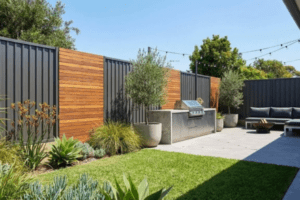
- Use metal for structure, posts, frames, and any parts that touch the ground or cop the worst weather. Powder coated aluminium or Colorbond works well for this.
- Use timber for focus, infill panels, top sections, or feature inserts at the entry. This gives warmth where people actually see and touch the fence.
- Repeat finishes, match timber stains to your front door, deck, or pergola so the whole outdoor area feels connected.
For a modern farmhouse feel, think simple steel frames with vertical timber boards, or slim aluminium slats with occasional timber infill panels. Keep the design simple, with straight lines and consistent spacing, so it feels current rather than rustic.
Frameless glass panel fencing
Frameless glass suits Perth properties that want clear sightlines to a view, pool, or landscaped garden. It reads as high end and minimal, which is why you will see it around pools, balconies, and feature courtyards.
Where frameless glass works best
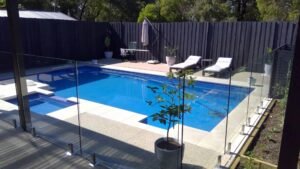
- Pool areas, you meet safety rules while keeping an uninterrupted outlook, which is ideal where the pool is a design feature. Purpose built systems such as frameless glass pool fencing give you that clean, almost invisible barrier.
- Feature garden zones, small courtyards, rooftop terraces, or decks where a solid fence would feel too heavy.
- Commercial entrances, to give a professional, open feel without sacrificing control over access points.
Perth’s dust and coastal air mean you need to be realistic about cleaning. Glass will show water spots and dirt quicker than Colorbond or aluminium, so it suits owners or sites that are happy to give it a quick wash as part of regular maintenance.
Aluminium slat fencing for low maintenance modern style
Aluminium slat fencing has taken off around Perth because it balances modern style with very low upkeep. You get the visual effect of timber slats in a material that does not rot, warp, or attract termites.
Why aluminium slats suit Perth conditions
- High UV resistance, quality powder coatings keep their colour without constant repainting.
- Corrosion resistance, especially important in suburbs that cop sea breeze and salt in the air.
- Flexible design, you can run them horizontally or vertically, use them as full fences, screens, or gate infills.
For developers and commercial property owners, the big advantage is consistency. A supplier who works with aluminium slat fencing in Perth can repeat the same system across multiple lots or tenancies so the whole project feels cohesive and professional.
Clean lined minimalist designs
Minimalist fencing is about doing less, but doing it well. Straight lines, simple colours, and very little ornament. This style works with contemporary homes, architect designed builds, and clean commercial facades.
Key principles of minimalist fencing
- Simple geometry, stick to rectangles, straight runs, and even spacing. Avoid complicated caps, scrolls, or decorative motifs.
- Limited colour palette, [insert number] fence colours at most, usually one main tone and a secondary for gates or highlights.
- Hidden fixings, choose systems that conceal screws and brackets where possible, so the fence reads as a smooth surface.
Common minimalist choices include solid Colorbond boundary fences paired with a matching pedestrian gate, slim blade or batten fencing with consistent spacing, and flush mounted sliding gates that line up with the fence panels.
Modern farmhouse friendly fencing ideas
Modern farmhouse style has become popular in many Perth suburbs. Think clean white or soft neutral facades, darker roofs, and simple but warm details. The fence needs to support that, not fight it.
Good fencing directions for this style include:
- Vertical batten or blade fences with simple rectangular posts and no ornate caps.
- Mixed timber and metal, for example, metal frames with timber infills, kept in natural or slightly toned stains rather than heavy dark colours.
- Soft, neutral colours for solid fences, such as light greys or muted earthy tones that sit quietly against the garden.
The trick is to keep the detailing honest and uncomplicated. Clean posts, consistent spacing, and hardware that blends in. That way, the house and garden remain the stars, and the fence frames them without drawing too much attention to itself.
Choosing the right modern style for your property
If you are torn between a few looks, use this simple checklist:
- Facade match, does the fence repeat any lines, colours, or materials on your building.
- Privacy level, will slats or glass give you enough screening, or do you need solid sections.
- Maintenance comfort, are you happy to clean glass or oil timber, or do you prefer powder coated metal and Colorbond.
- Neighbour and council context, will the style sit well alongside existing streetscape and any guidelines you need to follow.
When you line these points up, the right modern or contemporary style usually becomes obvious. From there, you can fine tune colours, heights, and details so your garden fence looks sharp, works hard, and fits Perth’s climate without constant effort from you.
Natural and sustainable fencing materials for Perth gardens
If you care about how your fence looks, how long it lasts, and the footprint it leaves behind, natural and sustainable materials are worth a serious look. You can still get strength, privacy, and security, you just do it with materials that sit better in the landscape and, when chosen well, do not need constant attention.
This section walks through the main eco conscious options that actually work in Perth conditions, and how to use them without creating a maintenance headache.
Sustainably sourced timber fencing
Timber is the obvious “natural” choice, but in Perth’s climate not every timber performs the same. If you want timber that looks good beyond the first short period, you need to think about both sourcing and species.
What to look for with sustainable timber
- Certification or clear supply chain, choose timber that comes from responsibly managed forests or verified recycled sources.
- Durability class, for posts and any timber in contact with soil, go for higher durability ratings suited to external above ground or in ground use.
- Treatment type, in residential gardens, many owners prefer low toxicity treatments or naturally durable hardwoods that do not rely on heavy chemicals.
For most Perth properties, a practical approach is to combine timber infills with metal posts or frames. You reduce the amount of wood that sits in wet soil and you gain structural stability from steel or aluminium framing, similar to some mixed systems offered by specialist installers such as Perth fencing contractors.
Timber styles that suit Perth conditions
- Vertical boards or battens, shed water well, feel classic, and suit both modern and traditional homes.
- Horizontal planking, gives that modern slat look, but you need good fixing and spacing so boards can move a little without bowing.
- Timber feature sections, instead of full timber boundaries, use timber only where it has the most visual impact, such as front entries or courtyard screens.
Maintenance reality check. Even sustainable timber needs occasional oiling or staining to handle UV and keep moisture out. If you want a natural look with less work, use timber selectively, then lean on lower maintenance materials for the heavy lifting along side and rear boundaries.
Stone and wood combinations
Stone and timber together give you a strong, grounded look that fits well in Australian gardens. The stone carries the structural weight and long lifespan, the timber adds warmth and texture.
Where stone and timber fences work best
- Front boundaries, low stone walls with timber inserts or capping create a premium street presence without feeling overbuilt.
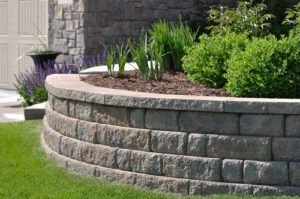
- Level changes and retaining, use stone or structural retaining products at the base, then lighter timber or metal fencing above. This keeps the retaining work robust and lets you change the style up top if you ever renovate.
- Courtyard and feature walls, stone columns with timber or metal infills create strong focal points around entertaining areas.
To keep it sustainable, choose locally available stone or engineered products such as composite retaining systems that use lighter materials with long service life. Pair that with responsibly sourced timber or powder coated aluminium slats and you get a fence that feels natural without wasting resources on overspecified structures.
Living fences, hedges, and green screening
Living fences use plants as the main screening element, sometimes supported by light structures like wire, mesh, or simple posts. They will not replace a secure boundary in every situation, but they can soften a solid fence or stand alone where security is less of a concern.
Types of living fences
- Formal hedges, tightly planted shrubs trimmed into a consistent wall. Good for front gardens where you want privacy with a softer feel.
- Climbing plants on frames, creepers trained over mesh, slats, or cables create a vertical green surface. This works particularly well in narrow side paths where you do not have room for a thick hedge.
- Mixed shrub borders, layered planting of different heights that together create a visual barrier. Less formal, but very natural and habitat friendly.
Green fencing in Perth’s climate
Perth’s hot, dry summers mean you should treat water efficiency as a core design rule, not an optional extra.
- Choose climate appropriate species, drought tolerant shrubs and climbers need far less irrigation once established.
- Integrate irrigation planning, drip lines, mulch, and proper soil prep prevent you from pouring excess water into a struggling hedge every year.
- Combine with solid fencing, a common strategy is to install a standard fence for structure and security, then grow climbers or hedges in front to soften the look.
Living fences give you strong environmental benefits, such as shade, cooling, and habitat, but they do need seasonal pruning and some water. If you already spend time in the garden, they can be a rewarding choice. If you want a set and forget boundary, think about limiting the green element to key areas instead of the whole perimeter.
Bamboo fencing and screening
Bamboo is popular as a “natural screen” option, but it comes in different forms and you need to be careful about which one you choose and how you install it.
Two main bamboo approaches
- Bamboo screens or panels, pre made rolls or panels fixed to an existing fence or frame. These give instant coverage and a tropical look.
- Live bamboo planting, using clumping varieties as a hedge. This can be very effective if managed carefully and kept away from structures and services.
How to use bamboo sustainably and safely
- Avoid invasive varieties, stick to clumping types if you are planting bamboo, and confirm the variety with a reputable nursery.
- Support panels correctly, bamboo rolls usually need a solid fence or frame behind them. Treat them as a cladding, not a structural fence.
- Seal and protect, natural bamboo weathers in Perth sun. If you want it to last, use quality sealers and accept that it may need reapplication over time.
Bamboo can give a lot of visual punch for relatively low material usage. Just be realistic, most bamboo products act as a decorative skin rather than a long term structural solution. For boundary security you will want a more robust fence behind them.
Recycled and composite fencing materials
If you want low maintenance and lower environmental impact together, recycled and composite products are worth serious consideration. These can include recycled plastic planks, composite timber boards, and fibre based retaining and fencing components.
Benefits of recycled and composite options
- Resource efficiency, many systems reuse waste material that would otherwise end up in landfill.
- Low maintenance, they usually resist rot, termites, and general weathering better than untreated natural timber.
- Consistent appearance, factory produced boards tend to stay straighter and more colour stable over time.
On sloping or retaining heavy sites, pairing composite sleepers or fibre based walls with conventional fencing can give you a strong, durable base that handles soil pressure and moisture with less maintenance. Products in the retaining wall solutions space are a good starting point if your garden needs both level management and fencing.
What to check before choosing composite fencing
- UV stability, confirm that the product is rated for high UV environments similar to Perth.
- Structural ratings, some composites are decorative only, others are engineered for structural use. Match the product to the job.
- End of life plan, look for systems that can be recycled again rather than heading straight to landfill when eventually replaced.
Balancing sustainability, security, and maintenance
Natural and eco oriented materials work best when you combine them with clear priorities. Use this simple framework to balance the trade offs.
- Define your non negotiables
- Is security the priority, or is it more about appearance and garden integration.
- Do you need strict privacy, or are filtered views acceptable.
- Choose a structural “workhorse” material
- For most Perth sites, this is steel, aluminium, masonry, or engineered retaining products.
- This material handles wind, impact, and boundary definition.
- Layer natural or recycled elements where they matter most
- Timber or bamboo as feature panels, entries, or courtyard screens.
- Living fences or climbers in zones where you want a softer feel.
- Set a realistic maintenance budget
- If you prefer low effort, push higher toward composites, aluminium, and selective planting.
- If you enjoy garden work, you can lean more heavily into timber and living fences.
The sweet spot for most Perth properties sits somewhere in the middle. A solid, durable backbone fence, softened with sustainable timber highlights, smart retaining, and strategic planting. Done properly, you get a boundary that looks natural, performs for the long term, and respects both your time and the environment.
Security and privacy solutions for different properties
Security and privacy mean different things on a family block, a multi lot development, and a commercial yard. The key is to match the fence type to the risk level, how people use the space, and how much maintenance you are prepared to deal with in Perth’s climate.
Colorbond fencing for strong privacy and everyday security
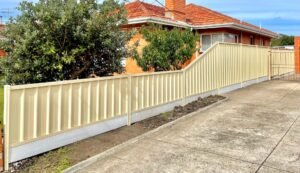
Colorbond is one of the most reliable all round options for Perth properties that want privacy, a solid boundary, and low maintenance. You get a smooth, climb resistant surface with no gaps and no footholds.
Why Colorbond works well for security and privacy:
- Full visual block, the profile leaves no gaps, which stops casual overlooking from neighbours and public areas.
- Hard to climb, no exposed rails on the outside and a flat face make it difficult to use as a ladder.
- Quiet and tidy, it hides untidy side yards and service areas and gives a clean background to planting.
Colorbond suits side and rear boundaries for homes, entire perimeters in residential developments, and service yards or plant areas on commercial sites. If you want to explore specific profiles and colour choices that stand up well in Perth conditions, the Colorbond fencing range is a useful starting point.
Wrought iron and garrison style fencing for secure, open boundaries
Not every site can use a solid fence. Commercial properties, corner blocks, and some front boundaries need clear sightlines for safety, traffic visibility, or a more open street presence. This is where wrought iron style and garrison style fencing come into play.
Where open style security fences make sense
- Commercial and industrial perimeters, you want a clear message that the site is protected, while still allowing surveillance and lighting to work properly.
- Front boundaries on busy streets, open fencing lets you see in and out, which can feel safer and more welcoming than a solid wall.
- Shared public interfaces, such as around schools, parks, or mixed use developments that need controlled access without feeling closed off.
Modern garrison systems use vertical bars or blades with pointed or flat tops and very limited footholds. They are designed for strength and deterrence, not for climbing. For higher security sites in Perth, many owners choose a purpose built system such as garrison fencing rather than generic tubular products, because the engineering and fixing details are designed around security from the start.
Automated gates and access control
If your boundary fence is solid and strong but your gate is weak, your security has a clear weak point. Automating your gate can improve both security and everyday usability, especially on driveways and key access points.
Benefits of gate automation
- Controlled entry, you decide who comes in, with remotes, keypads, or integrated access systems.
- No need to leave vehicles, which is useful at night, in bad weather, or for high traffic commercial sites.
- Consistent locking, automated systems can self latch and lock, which removes the risk of someone forgetting to shut the gate.
For residential properties, automation works well with sliding or swing driveway gates in Colorbond, slat, or blade infills. For commercial yards, automated sliding gates handle wide openings and frequent truck movements. If you are planning this for a Perth site, look at purpose designed systems such as the options covered under gate automation rather than trying to retrofit generic hardware onto a gate that was not engineered for it.
Privacy screens for targeted protection
Sometimes you do not need a full new fence. You just need extra privacy or security in specific spots. Privacy screens are perfect for this, because they can attach to existing fences or stand alone on smaller frames.
Useful applications for privacy screens
- Outdoor living areas, soften overlooking from neighbours around alfresco zones, decks, and pool areas.
- Service and bin enclosures, tidy up air conditioning units, bins, or storage areas without building full walls.
- Commercial entry and staff areas, screen staff break areas, loading docks, or back entrances from public view.
Aluminium slats, batten systems, perforated metal, or decorative panels all work well as privacy screens. They give filtered views and airflow while blocking direct lines of sight. You can run them higher than a base fence in some areas, subject to local rules, to tackle problem windows or raised decks next door.
Retaining wall fences for sloping and high risk sites
Perth has plenty of sloping blocks, split level developments, and cut and fill sites. On these properties, a standard fence is not enough. You also need structural retaining and, often, a safety barrier above it.
Why retaining and fencing need to work together
- Soil pressure, the retaining wall carries the load of soil, not the fence. If you rely on fence posts alone, you risk movement or failure.
- Fall protection, where there is a drop between levels, the fence or balustrade above the retaining wall needs to meet height and safety requirements.
- Drainage, poor drainage behind retaining structures can shorten the life of both walls and fences. Materials and installation matter just as much as design.
A practical approach is to use engineered sleepers or specialist retaining systems at the base, then install Colorbond, aluminium, or batten fences above. On Perth sites with complex level changes, it is worth getting a proper retaining wall quote so the structural side is right before you start choosing fence styles and colours.
Balancing security with visual openness
Security fences that look like prison walls are rarely needed on domestic or light commercial sites, and they can hurt property value. On the other hand, fences that are too light or low invite access and give very little privacy. The balance sits somewhere between the two, and it depends on how people use and move around your property.
Use a simple framework to strike the right balance
- Decide where you need solid privacy
- Bedrooms, pools, and family outdoor zones usually suit solid or near solid fencing.
- Use materials like Colorbond or tightly spaced slats where you want complete screening.
- Keep key sightlines open
- Front boundaries and commercial frontages often benefit from semi open fencing so people and vehicles remain visible.
- Vertical bars, blades, or slats with controlled spacing keep security high without blocking views.
- Control access points tightly
- Use robust gates with quality hinges, latches, and, where appropriate, automation.
- Limit the number of entry points and make sure each one is obvious and well lit.
- Integrate landscaping
- Planting can soften the look of secure fences without reducing their function.
- Use prickly or dense shrubs in vulnerable spots, such as corners or blind spots, to discourage climbing.
Choosing solutions by property type
Residential properties
Most Perth homes work best with:
- Solid Colorbond or aluminium slat fences on side and rear boundaries for privacy and security.
- More open or decorative fencing to the street, possibly with a matching pedestrian gate and an automated driveway gate.
- Targeted privacy screens around outdoor living areas, pools, or windows that face neighbours at close range.
Development projects
For developers and builders, the focus is on repeatable systems that look good and keep maintenance requests low. Typical setups include:
- Standardised Colorbond boundaries across multiple lots, with consistent heights and colours.
- Shared retaining walls with compliant fencing above, particularly on stepped or terraced sites.
- Simple, durable front boundary and courtyard fencing options that fit the estate design guidelines.
Commercial and industrial sites
Security and liability take priority for commercial properties. Effective combinations often look like:
- Garrison or chainmesh fencing for yard perimeters, with clearly defined vehicle and pedestrian gates.
- Automated sliding or swing gates at main entries, tied into access control systems.
- Solid or semi solid screens to shield bins, plant, and staff areas from public view while keeping perimeter fencing open for surveillance.
The aim is simple. Choose a fence system that stops the wrong people getting in, keeps your family or assets safe, and still lets your property breathe and look good from the street. When you balance Colorbond, garrison or wrought style fencing, automation, privacy screens, and retaining wall solutions with that in mind, you end up with a boundary that works hard without feeling harsh.
Fence installation and maintenance considerations
Good materials will not save a fence that is installed badly. In Perth, where soil, sun, and wind work your fence over from day one, the way you install and maintain it matters just as much as what it is made from.
This section walks through when DIY makes sense, when to bring in a professional, how to choose materials that actually cope with Perth conditions, and the simple maintenance habits that keep your fence looking sharp for [insert time period] instead of falling apart early.
DIY vs professional installation
Start by being honest about your skills, tools, and time. A boundary fence is not a weekend craft project. If it fails, you deal with neighbour issues, safety risks, and full replacement costs.
When DIY can work
DIY can be realistic if you are dealing with:
- Short runs of fencing in flat, accessible areas.
- Simple, modular systems with clear installation guides, such as some panel, slat, or chainmesh kits.
- Non structural screens or internal garden dividers that do not carry soil or safety loads.
Before you commit, run through this checklist:
- Tools, do you have the right gear for digging post holes, mixing concrete, cutting metal or timber, and checking levels accurately.
- Knowledge, do you understand footing depths, centre spacing, and how to brace posts while concrete cures.
- Physical workload, fencing means heavy lifting, digging, and repetitive work in the sun. Factor in safety and fatigue.
If any of those feel doubtful, treat DIY as a last resort, not a default.
When professional installation is the smarter move
Professional installation makes sense for most Perth boundary fences, and it is non negotiable for anything with structural or compliance risk such as:
- Pool fencing that must meet current safety regulations.
- Fences on retaining walls or sloping sites.
- Long boundary runs that need to line up neatly with neighbours and existing structures.
- Automated sliding or swing gates tied into security or access systems.
A good installer will:
- Confirm boundary lines and levels so the fence sits where it should.
- Size posts and footings for your soil and exposure, rather than guessing.
- Allow for expansion, contraction, and drainage so the fence can move slightly without failing.
- Work through council, strata, and pool compliance constraints.
If you are planning a larger project or a mix of Colorbond, slats, and gates, it is worth speaking with a specialist Perth team that handles full projects, such as the installers behind the products in the shop fencing products range. You gain practical advice on what actually installs well on local blocks rather than just what looks good on a screen.
Choosing materials for Perth’s climate
Perth gives you long, bright summers, hot UV, drying winds, and patches of heavy rain. The wrong materials will fade, warp, crack, rust, or sag long before you expect. The right materials will shrug it off with minimal effort from you.
Sun and UV resistance
Strong sun will test coatings and finishes. To avoid early fading and surface breakdown, look for materials that:
- Use baked on or powder coated finishes rather than basic paint.
- Are rated for high UV environments similar to Perth.
- Do not rely on constant recoating just to stay presentable.
Powder coated aluminium slats, blade fencing, and Colorbond style steel panels handle UV far better than many generic painted systems. High quality finishes like those on the frameless batten fencing and related ranges are designed with this in mind.
Wind and structural strength
Wind is the real stress test for a fence. In open suburbs or higher sites, gusts will find any weakness in posts, brackets, and panels. Protect yourself by focusing on:
- Post sizing and depth, posts need enough embedment and concrete to resist pull and push. Shallow footings are a common failure point.
- Panel design, solid fences need stronger structure, while slatted or batten systems can relieve pressure by letting some air through.
- Bracing and alignment, long straight runs might need stepped levels or control joints to avoid big unsupported faces.
If your block cops strong sea breeze or sits on a hill, mention it when you get quotes. An experienced installer will adjust post spacing, footing depth, and sometimes material choice to suit that exposure.
Corrosion and coastal exposure
Salt and moisture attack cheap metals fast. For coastal or low lying areas, small decisions make a big difference over time.
- Ask for corrosion resistant coatings or alloys suitable for your distance from the coast.
- Insist on quality fasteners and brackets, not generic mild steel hardware that becomes the weak link.
- Avoid designs that trap water or leaf litter at junctions, which accelerates rust and staining.
Aluminium, properly coated steel, and composite materials are usually better choices than bare or lightly treated steel in these areas.
Installation details that extend fence life
Two fences in the same street can age very differently just because of the details you cannot see from the kerb. Pay attention to these details and you buy yourself years of extra service.
Footings and drainage
Water around posts leads to movement and decay. Simple practices help, such as:
- Setting post holes to the right depth and backfilling with quality concrete, not loose soil.
- Shaping concrete at the surface so water runs away from posts, not toward them.
- Avoiding garden beds that constantly soak the base of timber posts.
On retaining walls, proper drainage behind the wall is just as important. Blocked or missing drainage increases pressure on both the wall and the fence, which shortens their life.
Clearances and ground contact
Where timber or metal touches soil, moisture and termites can get to work. To reduce that risk:
- Leave a small gap between the bottom of panels and the ground where possible.
- Use appropriate in ground rated materials for any buried timber, or choose steel or composite posts.
- Keep mulch and soil built up away from metal components that were not designed for burial.
These clearances also help with airflow and cleaning, which keeps algae and staining under control.
Allowing for movement
All materials move with temperature and moisture. If you install everything rock solid with no allowance for expansion, something will eventually buckle or split. Good practice includes:
- Using slotted holes or flexible fixings where recommended by the manufacturer.
- Leaving appropriate gaps between boards or slats so they do not press against each other when they swell.
- Breaking very long runs into sensible sections with posts or control joints.
Follow the manufacturer instructions, not guesswork, for each system. The details are there to stop small movements turning into visible failure.
Low effort maintenance that actually makes a difference
You do not need a huge maintenance routine to keep a Perth fence in shape. You just need the right small habits at the right intervals.
Regular cleaning
Dirt, salt, and plant matter hold moisture against your fence. Over time that speeds up corrosion, staining, and surface breakdown. Set a simple routine such as:
- Hose or light pressure wash powder coated and Colorbond surfaces on a regular schedule, especially in coastal suburbs.
- Brush debris off the tops of panels, rails, and posts so it does not sit and rot.
- Clean glass panels with appropriate cleaners and soft cloths to avoid scratches and water spots.
Think of it as the outdoor version of wiping down your kitchen, short, regular sessions instead of one big clean up after a long period of neglect.
Timber care
If you have any exposed timber in your fence, you need to protect it from UV and moisture. A simple framework for timber care is:
- Apply a suitable oil, stain, or paint soon after installation, following product directions.
- Recoat when the finish starts to look dry, patchy, or faded, not years after it has already failed.
- Check horizontal surfaces such as capping or top rails more often, since they take the brunt of sun and rain.
Use the same product or a compatible system when recoating. Mixing random products can lead to peeling or uneven absorption.
Hardware checks
Loose hinges, latches, or brackets are early warning signs. A short inspection now and then can stop small issues becoming full panel failures.
- Tighten any loose screws or bolts, paying attention to gates that move most.
- Replace rusted or damaged fixings promptly, using equal or better quality hardware.
- Lubricate moving parts on gates and latches so they operate smoothly.
If you have automated gates, schedule servicing in line with the supplier recommendations to avoid surprise breakdowns.
Designing for easy maintenance from day one
The smartest maintenance strategy starts in the design phase. You can make choices now that mean less work forever.
- Keep planting clear, leave space between dense shrubs and the fence so you can clean and inspect both sides.
- Avoid overcomplicated details, intricate profiles, tight corners, and layered trims collect dirt and are slower to clean or repaint.
- Standardise materials, using the same systems for long runs makes future replacements and repairs far easier.
- Plan access, make sure you can reach rear boundaries, narrow side paths, and behind sheds without climbing over things.
Be clear about how much time you are actually willing to spend on fence upkeep. If the answer is “very little”, let that guide you toward simpler lines, prefinished materials, and smarter layouts that practically look after themselves in Perth’s climate.
Creative and decorative garden fence ideas
Once you have the structure, security, and privacy sorted, the fun part starts. This is where you turn a standard boundary into something that actually lifts your garden, frames your outdoor spaces, and adds character without creating a maintenance nightmare.
You do not need to cover the whole perimeter with feature fencing. In fact, for most Perth properties, the smartest move is a solid, low maintenance base fence, then targeted decorative elements in the areas you see and use the most.
Use lattice tops for light, height, and privacy
Lattice is one of the easiest ways to soften a solid fence and gain a bit more height without making the boundary feel heavy.
Why lattice tops work well
- Filtered privacy, lattice breaks up sightlines without blocking all the light or breeze, which suits alfresco areas and patios.
- Extra height, you can often add a lattice section above an existing fence (subject to council rules) instead of rebuilding the whole thing.
- Plant support, the grid is perfect for light climbers and flowering vines that soften the fence over time.
For low maintenance, use powder coated aluminium or steel lattice rather than raw timber. Match the colour to your main fence or trim so the top extension looks intentional, not tacked on.
Simple framework for using lattice well
- Keep lattice sections consistent in height along a run.
- Use solid sections near neighbours who are closer or higher, and skip it where you still want open views.
- Choose larger openings if you want more light, and tighter patterns where privacy is more important.
Gabion walls for texture and structure
Gabion walls use wire baskets filled with rock or other material to form a thick, textural barrier. In Perth gardens, they work best as feature elements rather than full perimeter fences.
Where gabions make sense
- Entry features, short gabion sections with a gate in between create a strong threshold for homes and commercial sites.
- Retaining and level changes, gabions double as retaining and visual anchors around terraces or raised garden beds.
- Wind breaks and acoustic buffering, their mass can help soften wind and some noise in exposed spots.
Gabions are heavy and need proper footing and infill selection. Treat them as masonry, not as a quick decorative fix. For a modern look, pair gabions with simple metal infills or blades, similar to what you see in high end blade systems such as the frameless blade fencing range.
Design tips for gabion fences
- Use locally available stone or recycled rubble for sustainability and cost control.
- Keep heights practical, tall, narrow gabions can look bulky and may need engineering input.
- Balance solid gabion sections with lighter elements, such as slats or planting, so the space does not feel closed in.
Mixed material fences for character without chaos
Mixing materials is one of the best ways to get a custom look that still works with standard, durable systems. The key is restraint. Choose [insert number] main materials, then repeat them consistently.
Common combinations that work in Perth
- Colorbond with timber or battens, solid Colorbond panels for privacy, with timber or aluminium battens used at the front or around entertaining zones for warmth.
- Stone or brick piers with metal infills, masonry provides weight and permanence, while blades or slats between keep the look lighter.
- Gabion bases with aluminium slats, rock at ground level, then horizontal or vertical slats above for height and airflow.
If you want a more architectural feel, look at contemporary batten and blade styles similar to the products in the designer blade fencing range. You get sharp lines and strong shadows that pair well with natural stone, concrete, or timber.
Checklist for mixing materials without making a mess
- Repeat colours and finishes on other elements, such as gate frames, pergolas, or window trims.
- Keep junctions simple, clear breaks between materials are cleaner than complicated overlaps.
- Let one material do the structural work, and treat the others as cladding or visual highlights.
Painted designs and colour blocking
If your budget is tight or your existing fence is structurally sound but visually flat, paint can do a lot of the heavy lifting.
Smart ways to use colour
- Neutral backbone, use a deep or mid tone neutral on the majority of the fence so plants stand out against it.
- Feature sections, pick [insert number] short sections for bolder colours near seating areas, outdoor kitchens, or kids play zones.
- Soft gradients or bands, use horizontal or vertical bands of similar tones to break up very long runs without visual clutter.
When you choose colours, remember Perth’s strong light. Very bright colours can feel harsh at midday. Muted greens, earthy tones, charcoals, and warm greys usually age better and show less dust.
Stencils and patterns without high maintenance
If you like more creative detail, use a simple framework:
- Limit patterns to small, focused areas, such as behind a bench or water feature.
- Use exterior grade paints and clear instructions for surface prep so designs do not peel quickly.
- Choose geometric or botanical themes that still look good even as planting shifts around them.
Integrating the fence into your garden design
A fence should work with your garden plan, not sit apart from it. Think of it as the backdrop and structure your plants and outdoor rooms rely on.
Plan fence and landscaping together
- Match levels, coordinate retaining walls, steps, and fence lines so they form clear terraces and usable platforms.
- Use planting to soften hard lines, shrubs, grasses, and climbers can turn a plain boundary into a layered green edge.
- Create outdoor “rooms”, use partial screens and different fence treatments to define dining zones, kids areas, or quiet corners.
On small Perth blocks, vertical interest matters. Trellises, batten panels, and slim feature screens give you surfaces for climbing plants without stealing precious floor space.
Lighting and fence design
Lighting is an often ignored part of fence design, but it changes how your garden feels after dark.
- Use low level wall lights or spike lights to wash light up or down fence panels.
- Highlight texture, such as gabions, battens, or rough render, where shadows will show it off.
- Keep fittings simple and consistent so they support the design instead of dominating it.
Decorative panels, battens, and screens
Decorative panels and batten screens let you separate areas and add interest without committing to a full feature fence along every boundary.
Where decorative elements work hardest
- Behind seating areas, a patterned or batten screen creates a visual anchor and a sense of enclosure.
- Near entries and front doors, slim battens or geometric panels can guide visitors and frame the approach to the house.
- Around utilities, use screens to hide clotheslines, bins, and pool gear while keeping them accessible.
For a clean, modern look with minimal upkeep, consider frameless batten or blade styles in aluminium or steel that are designed as stand alone screens. They bring the same design language as high end boundary fencing into focused, decorative zones.
Simple design rules for decorative screens
- Align screen heights with nearby fences or pergolas where possible.
- Keep patterns bold and simple so they still read well from a distance.
- Leave some breathing space around each feature so it feels intentional, not squeezed in.
Making creative fencing work for Perth lifestyles
Decorative fencing only works if it suits how you live and how much maintenance you are willing to accept. To keep the balance right, use this quick framework.
- Choose a low maintenance base
- Let durable systems such as Colorbond, aluminium slats, or engineered retaining carry most of the boundary.
- Keep these areas simple and consistent so they disappear behind planting.
- Concentrate creativity in key zones
- Entrances, outdoor living areas, and visible street front sections give the best return.
- Use lattice tops, gabions, mixed materials, or decorative panels only where you will actually see and enjoy them.
- Match ideas to your maintenance appetite
- If you love gardening, lean into climbers, painted sections, and more planting.
- If you are time poor, favour pre finished metals, simple shapes, and occasional feature elements rather than full perimeter decoration.
- Check council and boundary rules before you build
- Extra height, front fence transparency, and structural elements around retaining can all be regulated.
- Sort this early so your creative choices stay compliant.
When you approach decorative fencing this way, you get a garden that feels inviting and personal without creating a long list of chores. Your fence becomes a proper part of your outdoor design, not just a line on the plan that you try to hide later with plants and compromise.
Side fences and backyard boundary ideas for Perth properties
Side fences and rear boundaries do a lot of quiet work. They carry most of the privacy load, handle the harshest sun and wind, and sit closest to neighbours. If you get these parts right, your whole property feels more private, calmer, and easier to maintain.
This section walks through how to handle narrow side passages, awkward back corners, privacy issues, and neighbourhood guidelines, without creating a fence that chews through your time or your budget.
Common side fence challenges in Perth
Most Perth blocks share a few recurring headaches with side and rear fencing:
- Narrow side corridors where you can barely pass a wheelie bin.
- Mismatched fences when each neighbour has built something different.
- Overlooking from next door, especially with two storey homes and raised decks.
- Exposure to sun and wind on back boundaries that cop the full weather.
The aim is simple. Choose a system that is slim, strong, and compliant, then layer in screening or decorative touches only where you actually see and use the space.
Smart solutions for narrow side yards
Narrow side passages are usually access routes, not feature spaces. That means your fence should stay tight, practical, and low maintenance.
Choose slim, straight fence lines
- Colorbond panels or similar solid steel systems sit hard on the boundary and give you the thinnest possible footprint with full privacy.
- Aluminium slats or battens work well where you want a little airflow, such as near laundries or air conditioning units.
- Chainmesh can suit some commercial side boundaries where security matters more than looks, especially when combined with a solid fence to the street. For those sites, a product such as chainmesh fencing can be a practical choice.
In tight spaces, avoid thick masonry or gabion walls along the whole side boundary. You will lose precious width and make maintenance almost impossible.
Plan for clear access
- Keep one side as straight as possible so bins and garden gear can move through easily.
- Use simple, full height pedestrian gates rather than fancy features that catch on things.
- Keep taps, air conditioners, and gas meters on the house side of the passage, not buried against the fence where you cannot reach them later.
Key principle. In narrow side yards, the best fence quietly disappears behind practical use. Prioritise clean lines and durability over decoration.
Matching existing home styles and mixed boundaries
Many Perth properties inherit at least one boundary fence from previous owners or from a neighbouring build. The trick is to work with what is there, not rip everything out unless you have to.
When to match, when to contrast
- Match existing Colorbond or metal where you already have long runs in good condition. Use the same profile and a compatible colour from a range similar to the options shown in Colorbond fencing colours.
- Use a calm contrast if the existing fence colour is dated or very strong. Choose a modern neutral for new sections and let planting soften the difference over time.
- Hide mismatches with strategic screens or planting near entertaining areas, rather than trying to visually align every metre of boundary.
Integrating side fences with your facade
- Repeat a fence colour from your roof, window frames, or garage door for a cohesive look.
- Use the same slat or batten style on side gates as on any front fence or entry screen.
- Keep side boundaries visually simpler than the front fence. Let the front do the talking, and the sides support it quietly.
If you are working on a development or strata project, standardise side and rear boundaries across lots. This keeps the streetscape consistent and cuts future arguments about who owns which fence style.
Privacy screening along side and rear boundaries
Side and back boundaries usually carry the heavy lifting for privacy. The design choice is whether you want full blockout, filtered views, or a mix.
Solid privacy along key stretches
- Solid Colorbond is the straightforward option for full height privacy. It performs well along rear fences and side boundaries near bedrooms and living areas.
- Tightly spaced aluminium slats give a similar level of screening with a slightly lighter look. You control opacity through gap size.
- Retaining plus fence may be needed where your neighbour’s yard is higher. Use structural retaining such as engineered sleepers, then a compliant fence on top to regain privacy.
Filtered privacy near outdoor living areas
- Use batten or blade fencing with controlled gaps near alfresco zones, so you keep airflow and light but interrupt direct sight lines.
- Add privacy screens only where overlooking is a problem, such as directly beside a dining area or spa.
- Integrate planting, such as slim hedges or climbers, to soften solid fences and reduce the sense of being boxed in.
Think in segments, not full runs. You might run a solid screen for a specific 3 to [insert number] metre stretch near a deck, then revert to a standard boundary fence where privacy is less critical.
Durable boundary options that cope with Perth conditions
Side and back fences do not get much love once they are in, so they need to survive with minimal attention. Perth’s conditions reward robust, prefinished materials.
Good material choices for long side and rear runs
- Colorbond style steel for long, straight boundaries where you want privacy, strength, and very low maintenance.
- Powder coated aluminium slats or battens for a more architectural look with strong corrosion resistance and UV stable colour.
- Chainmesh or barr fencing on commercial rear and side boundaries, especially when paired with secure gates. Solutions such as barr fencing or chainmesh can keep costs controlled on large perimeters.
Installation details that matter more on boundaries
- Use correct post spacing and depth for long wind exposed runs, particularly on rear boundaries that face open reserves or streets.
- Step panel heights neatly where ground levels change, instead of forcing panels to follow uneven soil. This stops ugly gaps and leaning posts.
- Keep the bottom of panels clear of constant moisture from sprinklers and garden beds where possible.
Focus on strength and clean lines for these fence sections. Decorative details make more sense closer to the house and street, not along the full rear and side lengths.
Working within neighbourhood and council guidelines
Side and back fences often trigger council rules and boundary laws before you even think about design. Getting this wrong can mean disputes and expensive changes.
Height, style, and boundary rules
- Check typical maximum heights for side and rear fences and whether extra privacy screens above those heights are allowed.
- Confirm if there are rules around front setback transitions, where a side fence meets the front boundary near the driveway or front yard.
- Strata and estate guidelines may dictate colours, profiles, and heights visible from shared roads or parks, even on side boundaries.
When a side fence forms part of a pool barrier, treat it as pool fencing first and boundary second. Gate latches, heights, and climbable zones must meet pool safety requirements, not just neighbour agreements.
Neighbour agreements for shared side fences
- Confirm the legal boundary before building or replacing any fence.
- Discuss height, style, and colour options with neighbours early so everyone knows what is coming.
- Put agreements in writing, particularly if you share costs or choose a higher spec fence than the basic minimum.
Good communication upfront usually saves more time and money than trying to fix disputes after the fence is already installed.
Turning backyard boundaries into usable space
Rear fences are often treated as a blank line at the back of the block. With a bit of planning, you can make that line work harder, especially in family yards and commercial outdoor areas.
For residential backyards
- Create a green spine along the back fence with layered planting. Use the solid fence as a backdrop for trees, shrubs, and climbers.
- Build a simple batten or slat feature directly behind a seating or fire pit zone to anchor the space and increase privacy.
- Use the rear boundary to support storage or utility zones, such as sheds, compost, or raised beds, while keeping the main lawn or play area uncluttered.
For developments and commercial sites
- Use consistent, solid boundary fencing at the rear of lots to hide services and deliveries from public view.
- Integrate retaining and fencing where blocks are stepped, so each yard has a safe, level zone away from fall edges.
- Plan access gates at logical points for maintenance, bin collection, or staff movement, rather than cutting through fences later.
The rear fence should make the garden or yard feel finished and functional, not like the property just stops in a hard line.
Putting it all together for your Perth property
Side fences and backyard boundaries work best when you think about them as a system, not a leftover after the front fence is done. Use this quick framework.
- Map your hot spots
- Identify where you need strong privacy, where you just need a clear boundary, and where access is most important.
- Mark any narrow side corridors, pool interfaces, or level changes that affect fence design.
- Pick a primary boundary material
- Choose one low maintenance system for most side and rear runs, such as Colorbond or aluminium slats.
- Stick with it so the boundary feels consistent and easy to maintain.
- Add targeted screens, not full perimeter features
- Use screens or batten sections only where you sit, entertain, or face direct overlooking.
- Let planting and lighting do some of the visual work rather than overbuilding every metre of fence.
- Check rules and neighbours before you build
- Confirm council height limits and any estate or strata guidelines.
- Agree in writing with neighbours on shared side boundaries.
When you treat side fences and backyard boundaries with this level of intent, you end up with a property that feels private, secure, and tidy, without losing valuable space or creating a long list of maintenance jobs in Perth’s tough climate.
Cost considerations and value for investment
Fencing feels simple until you start getting quotes. Suddenly you are juggling material choices, installation costs, maintenance, and resale value, all while trying to stay on budget. The good news is, if you think about cost the right way, you can avoid false savings and put your money into a fence that actually earns its keep for [insert time period] or more.
Think lifecycle cost, not just upfront price
The cheapest quote on paper can be the most expensive choice over time. When you look at fence costs, split them into three clear buckets.
- Upfront cost, supply and installation for the fence and gates.
- Ongoing maintenance, cleaning, repainting, oiling, replacing rusted hardware, and general repairs.
- Replacement or upgrade cost, what it will cost you if the fence fails early or you have to replace sections down the track.
Materials like Colorbond and powder coated aluminium are usually not the cheapest up front, but they often have lower maintenance and far fewer issues in Perth’s sun and wind. For most homeowners, developers, and commercial owners, that trade off pays for itself over time.
Simple rule. If you hate maintenance or you manage multiple properties, lean harder toward low maintenance systems, even if the initial quote is higher.
Budgeting for different fencing materials and styles
Every material sits in a different ballpark for cost, both in supply and installation. Instead of guessing, use a basic framework to decide where to spend more and where to hold back.
Solid metal fences such as Colorbond
Colorbond style fencing usually sits in the middle range of fencing costs, which is why it is so common across Perth. You pay more than basic wire or untreated timber, but less than custom masonry or frameless glass.
Where it often makes the most financial sense:
- Long side and rear boundaries on residential blocks.
- Standardised boundaries across development projects.
- Service yard screening on commercial properties.
If you want to get a feel for how Colorbond might sit in your budget, tools like a Colorbond fencing calculator are handy for early planning before you lock anything in.
Aluminium slats and batten fencing
Aluminium slats, battens, and blade styles tend to sit above Colorbond on price, especially for custom heights, gate infills, and decorative layouts. In return, you get a very low maintenance, modern look that works for both homes and commercial sites.
It is usually worth the extra spend in:
- Front boundaries and street facing sections where first impressions matter.
- High visibility screening around outdoor living areas and pools.
- Projects where you want one consistent, architectural style across multiple lots or tenancies.
Within aluminium systems, some profiles are more cost effective than others. Sleeker products such as radiator blade fencing or frameless batten designs usually cost more per metre than simple slats, but you only need them in key areas to get the visual impact.
Timber fencing
Basic timber fencing can look attractive on initial quotes, especially for shorter runs. The catch is in Perth’s climate, you need regular oiling, staining, or painting if you want it to stay stable and presentable.
Timber makes the most budget sense when:
- You use it as a feature, not the main boundary, for example at entries or internal garden screens.
- You are comfortable with ongoing maintenance or already spend time on other timber elements such as decks and pergolas.
- You combine it with steel or aluminium posts so replacement sections are simple and limited to infills.
If you prefer to spend once and then leave the fence mostly alone, treat full perimeter timber fencing with caution.
Frameless glass, decorative panels, and feature walls
Frameless glass pool fencing, decorative metal panels, gabion sections, and stone or masonry walls usually sit at the higher end of the cost range per metre. The returns are visual impact and perceived quality, which can help with resale and leasing, especially in higher value suburbs and commercial sites.
A good way to protect your budget is to:
- Limit high end materials to short, high value sections such as pool perimeters, entries, or commercial frontages.
- Use more cost effective systems on long rear and side runs that no one sees from the street.
- Keep designs simple so fabrication and installation time stay under control.
Chainmesh and utilitarian security fencing
For large commercial or industrial perimeters, chainmesh and simple tubular or barr style systems are often the most cost effective per metre. They offer good security and clear boundaries without the higher finish costs of architectural systems.
Save your budget here for:
- Gating and access control hardware, which carry more daily use and security work.
- Upgrading materials in high traffic or public facing sections where appearance matters more.
Installation factors that affect fencing cost
Two properties with identical fence lengths can end up with very different quotes. The site and installation details play a big part in the final number. When you are budgeting, expect extra cost if your project involves:
- Retaining walls or level changes, working on cut and fill blocks, stepped lots, or along existing retaining adds labour, engineering, and material complexity.
- Hard access, tight side passages, limited vehicle access, or steep driveways can slow down installation and increase time on site.
- Old fence removal, pulling out existing masonry, concrete footings, or asbestos fences adds cost before the new work even starts.
- Custom gates, non standard widths, automation, or heavy infills need more structure and more time to fabricate and install.
If you have any of these on your site, flag them when you request quotes. Clear information helps installers price accurately instead of padding the quote to cover unknowns.
Long term value of durable and low maintenance fences
Durability is not just a technical word, it is a direct cost factor. A fence that stays straight, keeps its colour, and resists Perth’s wind and sun will cost you less in repairs, repainting, and early replacement.
From a cost and value perspective, durable, low maintenance fences deliver in a few key ways.
- Lower maintenance spendFewer tins of paint, no constant oiling, less time spent fixing rattling panels or rusted hardware. This matters for busy homeowners and even more for commercial property managers and developers who do not want post handover complaints.
- Better presentation at sale or lease timeA fence that still looks clean and modern supports higher perceived value. Buyers and tenants notice if the boundaries look tired or patched together, and that can drag down offers.
- Reduced risk of sudden failureProperly installed, quality systems are less likely to blow over in a storm or lean badly after a short time. That saves urgent repair costs and potential damage to neighbouring property.
For developers, this also translates into fewer warranty calls and a stronger reputation for delivering well finished projects that do not fall apart quickly.
Balancing budget and value for different property types
The “right” spend on fencing looks different for a family home, a residential development, and a commercial yard. The trick is to put the money where it has the most impact for your type of property.
Homeowners
For a typical Perth home, a practical cost strategy looks like this:
- Use mid range, low maintenance materials such as Colorbond or aluminium slats for side and rear boundaries.
- Invest a bit more in front fencing and gates, where street appeal and daily use justify higher quality finishes or automated gates. For example, pairing a neat modern fence with a custom driveway gate from a specialist in sliding gates or swing gates.
- Keep feature elements targeted, short sections of timber, stone, or decorative panels near entries or entertaining areas instead of full perimeter upgrades.
This approach controls overall spend but still gives you a property that feels private, secure, and well finished where it counts.
Property developers and builders
For multi lot sites and grouped housing, the cost conversation includes both construction budget and after sales risk. Smart moves usually include:
- Standardising fencing systems across lots, which cuts material waste, speeds up installation, and reduces pricing surprises.
- Choosing proven low maintenance options that handle Perth’s climate, to limit warranty calls about rust, warping, or movement.
- Allocating budget to visible fronts such as estate entries, main streets, and communal areas, while using simpler but durable systems along internal party boundaries.
The goal is a fence spec that keeps your build costs predictable, looks consistent, and does not come back to bite you [insert time period] after titles are handed over.
Commercial property owners and businesses
For commercial and industrial sites, fence spend is tied closely to risk management and business image. A cost savvy setup usually focuses on:
- Robust perimeter security with garrison, chainmesh, or heavy duty blade systems, so you are not constantly paying for repairs after attempted access.
- Quality gates and automation, because gates do most of the work and take the most punishment. Spending more here usually saves breakdown and call out costs.
- Professional street presence at frontages, with smarter materials or screening around customer entries and office areas.
Cheaper, lighter fences that sag or rust quickly hurt both security and perception, which can cost you more than the original saving in lost confidence and repeated repairs.
Practical tips to stay on budget without false savings
If you want a fence that looks good, works properly, and does not blow your budget, use this simple checklist while you plan and gather quotes.
- Decide your non negotiables up front
- Pick your must haves, for example, full privacy on side boundaries, secure gates, or a specific style on the front fence.
- Everything else becomes flexible. You can adjust materials or finishes there to protect the essentials.
- Separate structural spend from styling spend
- Do not cut corners on posts, footings, or retaining. If these fail, you pay twice.
- If you need to trim costs, simplify decorative details or limit feature materials to smaller sections.
- Get like for like quotes
- Give each contractor the same plan, lengths, heights, and material preferences.
- Ask what is included and excluded, such as removal of old fences, gates, and retaining work, so you do not get hit with extras later.
- Plan stages if needed
- If budget is tight, complete the critical security and boundary work first.
- Add higher spec front fencing, gates, or decorative screens later when cash flow allows.
- Factor in your time as a real cost
- If a fence needs frequent repainting or repairs, that time has a value, especially if you run a business or manage several properties.
The bottom line. A well planned fence is an asset, not just a cost. When you weigh upfront price against lifespan, maintenance, security, privacy, and street appeal, you end up with a solution that makes financial sense for the long term, whether you are upgrading a family home, delivering a new development, or securing a commercial site in Perth.
Final tips for choosing the right garden fence in Perth
By this point you have seen how many ways you can fence a Perth property. To finish, let’s strip it back to the key decisions that actually matter when you are standing there with plans, quotes, and a budget in front of you.
Start with what the fence must do, not how it looks
Every successful fence in Perth is built around a clear job description. Before you get attached to a style, answer these questions in plain language.
- What is the main job, for example, privacy, security, pool safety, garden protection, or just a neat boundary.
- Who uses the space, kids, pets, customers, tenants, staff, or some mix of all of them.
- What are the real risks, overlooking, break ins, fall risks near retaining, or stray balls and pets.
Write this down. If a fence option does not comfortably meet that list, it is the wrong fence, no matter how good it looks on a screen.
Choose materials that actually cope with Perth’s climate
Perth is unforgiving on weak fences. You want materials that handle sun, wind, and, if you are coastal, salt in the air.
- High UV resistance, look for prefinished, powder coated, or baked on surfaces that keep their colour.
- Wind strength, match post sizing, spacing, and footing depth to your exposure and fence style.
- Corrosion resistance, favour aluminium, quality coated steel, or composites in coastal and low lying areas.
If you are not sure, lean toward proven low maintenance systems that are already common around Perth, such as Colorbond style steel or aluminium slats, rather than untested imports or improvised setups.
Be honest about how much maintenance you will actually do
This is where a lot of people go wrong. They choose a fence that needs regular care, then life gets busy and it never happens. The result is a tired fence and frustration every time you walk outside.
- If you are time poor, favour Colorbond, aluminium battens, composite products, and simple layouts with minimal joins.
- If you enjoy garden work, you can afford to bring in more timber, living screens, or painted features, as long as you accept the upkeep.
- For developments and commercial sites, assume minimal maintenance. Make low upkeep the default spec, not the upgrade.
A good test is this. If you would not happily schedule a day every [insert time period] to oil, stain, or repaint, avoid designs that depend on that work.
Match style to your building and streetscape
The best fences look like they were designed with the property from day one. They repeat lines, colours, or materials from the building and sit comfortably in the street, without copying everything next door.
- Pick up existing cues, roof colour, window frames, cladding lines, and paving tones are all fair game for colour and style references.
- Keep a calm palette, stick to [insert number] main colours on the fence and gates. Use contrast sparingly for features.
- Think in layers, solid side and rear boundaries, then more open, decorative, or refined treatments at the front and around key outdoor areas.
For modern, architectural homes and commercial buildings, clean slats, blades, and batten styles work well. If you want to see what that looks like in practice, browse the systems and ideas in the Stag Fencing brochures and compare them to your facade.
Balance privacy and security with light and openness
More fence is not always better. Solid walls everywhere can make a property feel boxed in, while too much openness can leave you exposed and uneasy. Aim for a clear balance.
- Use solid where you live, side and rear boundaries, bedroom outlooks, pools, and family outdoor zones suit Colorbond or tightly spaced slats.
- Stay more open at the front, vertical blades, battens, or lower solid sections with open tops usually feel better toward the street and for commercial frontages.
- Control access points properly, a strong fence with a flimsy gate is wasted money. Invest in good hinges, latches, and, where it makes sense, automation.
On any property that handles vehicles or customers, treat gates as part of your security system, not an afterthought. If you need help planning safe, compliant gate access around pools or public areas, an experienced team that installs aluminium pool and safety fencing in Perth can give you practical advice during design, not just at install time.
Respect council rules, strata guidelines, and boundaries
A great fence that breaks the rules becomes a headache. Fixing non compliant work usually costs more than doing it correctly from the start.
- Check height limits for front, side, and rear boundaries before you finalise designs.
- Confirm pool fencing requirements if any part of the fence will form part of a pool barrier.
- Review strata or estate guidelines for colour, style, and transparency rules on visible boundaries.
- Clarify boundary lines and neighbour agreements in writing for shared fences.
If regulations feel unclear, get advice before you order materials. A short conversation upfront usually saves long arguments and unexpected rebuilds later.
Think in zones, not just one perimeter line
Most Perth properties work best when you stop thinking about “the fence” as a single thing and start thinking in zones.
- Zone 1, side and rear boundariesThese carry privacy, security, and weather. Use durable, simple systems so you can almost forget about them.
- Zone 2, front and street facing areasThis is your public face. Spend more attention here on style, alignment with the building, and how people approach and enter the property.
- Zone 3, internal garden and utility areasUse lighter screens, decorative panels, or low fences to divide spaces, hide bins and plant, and frame outdoor rooms.
This zoning mindset helps you spend money where it matters most, instead of sprinkling high cost features around the whole boundary with little extra benefit.
Use a simple decision framework to lock in your fence
If you feel overloaded by options, walk through this framework step by step and treat it as your checklist.
- Clarify purpose
- Write down the main job for each fence run or zone, such as “full privacy”, “secure yard”, or “light garden divider”.
- Set your maintenance tolerance
- Decide whether you want very low maintenance, moderate upkeep, or are happy with regular hands on care.
- Shortlist materials that suit Perth conditions and your tolerance
- Cross out anything that needs more care than you will realistically give or that is not proven for local climate conditions.
- Match style to building and street
- Pick [insert number] styles that echo your facade lines and colours, then remove any that feel too busy or heavy.
- Check rules and neighbours
- Confirm council, pool safety, and strata requirements and talk to neighbours about shared fences.
- Get like for like quotes
- Provide the same plan and specifications to each contractor so you can compare on quality, detail, and price, not guesswork.
- Prioritise structure over extras
- Lock in correct posts, footings, and compliant pool or retaining work first, then add decorative elements where the budget allows.
Make decisions that respect your time, climate, and property type
If you remember nothing else, keep these points in view while you choose your garden fence in Perth.
- Perth’s climate will expose weak materials and poor installation, so durability is not optional.
- Your lifestyle dictates maintenance, be honest about how much time and interest you have in upkeep.
- Security and privacy should feel comfortable, not harsh, blend solid and open treatments to keep both safety and light.
- Compliance is part of the design, not a box to tick at the end.
- Good fences add value, through street appeal, lower maintenance, and less drama with neighbours, tenants, or staff.
When you filter your choices through those lenses, you stop chasing trends and start choosing fencing that actually works for your property, your budget, and the way you live or run your projects in Perth.