
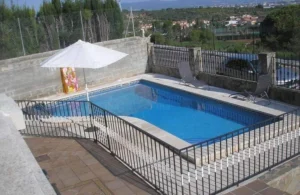
Ensure Pool Fence Compliance WA for Family Safety
Pool fence compliance in Western Australia is not a box you tick once and forget about. It is an ongoing
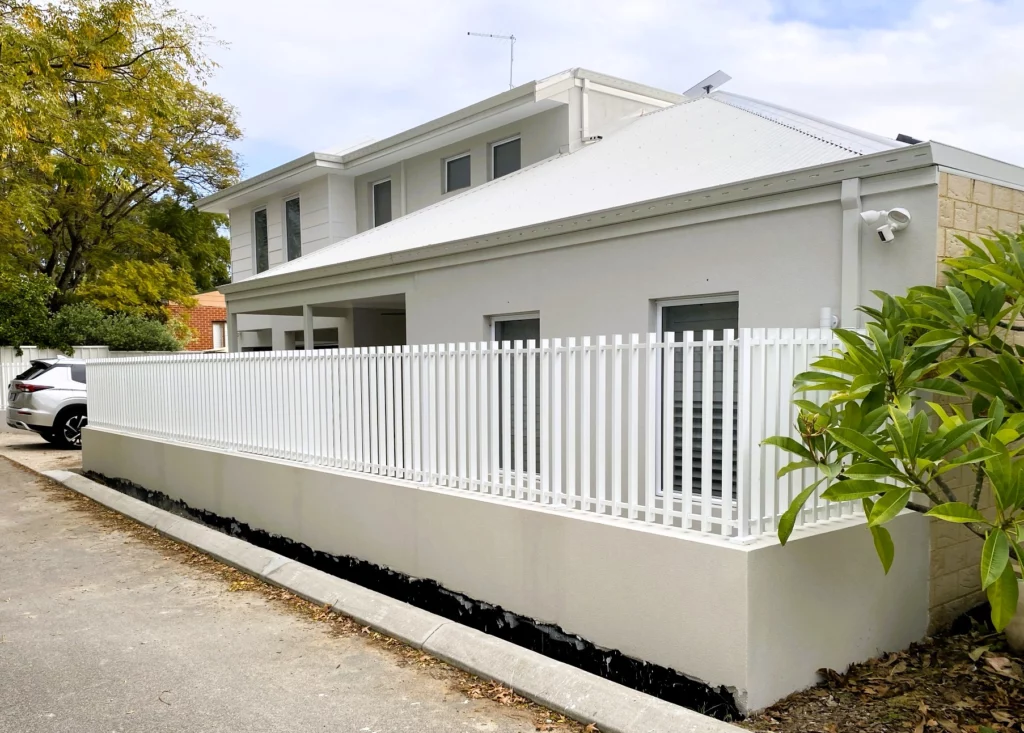
If you own or manage property in Perth, fencing is not just a line item in the budget. It is a long term asset that affects security, privacy, appearance, compliance and, in many cases, resale value.
Whether you are fencing a family backyard, a new residential estate, or a commercial yard, the same question comes up fast. What does fencing actually cost in Perth, and what are you really paying for?
This guide walks through that question in practical detail so you can plan properly, avoid nasty surprises, and choose a fence that suits both your site and your budget.
If you are a homeowner, fencing affects how your property feels every single day. The right fence gives you privacy from neighbours, keeps kids and pets where they belong, and blocks some of the street noise and visual clutter. Certain materials, like Colorbond or aluminium slats, also tidy up the boundary line and can make an older home look fresher and more modern.
On top of that, buyers pay attention to fencing. A solid, low maintenance boundary can support your property value, while a tired, patchy or leaning fence often does the opposite. When you look at fencing as part of the long term presentation of your home, the upfront cost starts to make more sense.
For developers, fencing is part of the infrastructure that makes a project feel complete. It frames streetscapes, defines lots, and often handles level changes with retaining. On multi dwelling or commercial builds, it can separate public and private areas and guide how people move through the site.
Good fencing choices here are about more than looks. You need reliable, repeatable solutions that install cleanly across multiple lots, meet spec and compliance, and keep trades and timelines on track. Costs scale quickly when you are ordering in volume, so understanding what drives price per metre, and where you can standardise, makes a real difference to your total project cost.
Commercial owners and managers have another set of priorities. Security, access control, and compliance with safety standards tend to sit at the top of the list. Whether it is garrison, chainmesh, automated gates, or a mix, your fencing choice affects insurance risk, theft prevention and how professional the site appears to customers and staff.
Here, the cheapest option upfront can become very expensive if it fails early, invites vandalism, or does not meet local rules. A clear view of total cost, including upgrades like automation or anti climb designs, lets you compare options properly rather than just chasing the lowest quote.
Perth’s climate is tough on poor quality fencing. Strong sun, coastal air in many suburbs, and periods of dry heat all put pressure on materials and finishes. If you choose the wrong product, you can end up dealing with fading, warping, rust or movement well before you expected to.
When you look at cost, you need to think about how a fence will handle:
Some materials cost more upfront but give you better performance in Perth’s conditions with far less maintenance. Others might look affordable on day one but need repairs or replacement sooner. This guide will help you weigh that up.
The purpose of the fence is one of the biggest cost drivers. A simple side boundary for privacy has very different requirements compared to a high security perimeter for a warehouse or a pool fence that must meet strict safety rules.
Broadly, you will see costs shift based on how much you need from the fence in terms of:
The clearer you are on purpose, the easier it is to understand whether a quote is fair for what you need, or if you are paying for features that do not add value for your specific property.
Most owners start with a rough budget in mind, which is normal. The challenge is that a fence that looks like a bargain upfront can cost more across its life when you add repainting, repairs, or early replacement.
This guide focuses on total cost of ownership, not just the first invoice. That includes:
Once you think in those terms, materials known for low maintenance, like Colorbond or quality aluminium, often stack up very well. If you want a deeper dive into how different fence styles line up on long term value, you can also read about the types of fencing for Perth homes and their long term value.
This guide is written for three groups who look at fencing from slightly different angles but share the same goal, a fence that works properly and does not blow the budget.
Across the rest of this guide, we will walk through:
By the end, you will understand what sits behind a fencing quote in Perth, what you are paying for at each stage, and how to choose a configuration that makes sense for your site, your risk profile and your budget in 2026 and beyond.
If you own a home in Perth, your fence is part of your daily life. You notice it when you sit on the patio, when the kids play in the yard, and when you pull into the driveway at the end of the day.
Most homeowners come to fencing with three clear goals.
That is why materials like Colorbond, aluminium slats, and quality pool fencing get a lot of attention. They give you solid screening, clean lines and low maintenance, which matters when you are already juggling work, family, and everything else.
When we talk to Perth homeowners, the same frustrations come up over and over.
These pain points shape cost decisions. For example, a homeowner who is sick of repainting might be happy to pay more upfront for a low maintenance Colorbond or aluminium solution that holds colour and shape for years. Someone dealing with a sloping block might need retaining integrated with the fence, which changes both materials and labour costs.
Most residential clients do not just want the cheapest quote. They want a fence that feels solid, looks good, and does not turn into a weekend project every summer.
All of these feed into the cost conversation. A residential fence that supports resale value, improves privacy, and barely needs upkeep often justifies a higher initial spend. If you want more on how different materials look and perform around Perth homes, have a look at this guide to popular fencing styles for local homeowners.
Developers and builders come at fencing from a very different angle. You are not just thinking about one boundary, you are looking at entire estates, multi unit projects or mixed use sites.
Your main priorities usually sit in a tight group.
When projects run at scale, small issues multiply very quickly.
These issues directly affect fencing cost. For instance, a project that uses a single well chosen specification for Colorbond or garrison around the whole stage will usually see better supply pricing and faster installs than a mix of different heights and styles across each lot.
Good developers rarely chase the cheapest line item. They look at how a fencing package supports the overall project.
These values flow into cost structure. For example, factoring fencing, gates and retaining together in the design phase can avoid expensive redesigns later. Working with a contractor who already understands local retaining wall rules and pool fence compliance, and who can also deliver engineered retaining solutions, often protects your budget better than a bare minimum spec that needs fixing after inspections.
Commercial and industrial sites have their own reality. You are often managing higher risk, higher value assets, and more foot or vehicle traffic. A weak or poorly designed fence can lead straight to theft, vandalism, or safety incidents.
Most commercial owners and managers look for three key outcomes.
That is why you see more garrison, chainmesh, security gates and automated access systems in this space. The cost structure reflects heavier materials, more complex installs and a stronger focus on compliance and safety regulations.
On the commercial side, the cost of a poor fence usually shows up in ways that are much more expensive than the original quote.
Each of these issues shifts how you think about cost. A taller, stronger security fence with proper anti climb design, or an automated gate system installed by a specialist, will cost more upfront but often reduces long term incident and repair costs. If you want a deeper look at security focussed options, the dedicated page on commercial security fencing is worth a look once you finish this guide.
For most businesses, the fence is part of the risk management plan as much as the property layout.
These priorities shape where money is best spent. It often makes sense to invest heavily in perimeter and access points, then choose more economical solutions for internal divisions that do not carry the same risk. Understanding that split helps you read quotes with a clear head instead of treating every metre as equal.
Whether you are a homeowner, a developer, or a commercial owner, you are looking at fencing through your own set of pressures and priorities. That is exactly how it should be. A family in a suburban street should not pay for high security features they will never use, and an industrial yard should not rely on light residential fencing just to save on the first invoice.
As we move through the rest of this guide, keep your profile in mind. The same material can make perfect sense for a low maintenance family backyard and be a poor fit for a high risk commercial yard, even though the per metre price looks similar. The goal is to line up your needs, your pain points, and your values with cost components that actually serve you, not just fill the boundary line.
Before you can make sense of any quote, you need to know what you are actually comparing. In Perth, most residential, development and commercial projects end up circling around a core group of materials, each with very different cost drivers, maintenance needs and performance in our climate.
Think of this section as your quick reference. Once you understand where each material sits on price, durability and upkeep, it becomes much easier to decide what suits your site rather than just chasing the lowest number on a page.
Where it fits: Residential boundaries, side and rear fences, some commercial perimeters, developer estates.
Colorbond has become a go to in Perth because it lines up neatly with what most owners want. Strong privacy, low maintenance, and a tidy, modern look. You are paying for pre painted steel panels, posts and rails, with a finish that is built to handle UV and coastal air better than basic painted steel.
Typical cost position: Colorbond usually sits in the middle of the price range on a per metre basis. Not the cheapest, not the most expensive. However, once you factor in almost zero regular maintenance, it often works out very competitive across the life of the fence.
Durability and lifespan: In Perth’s heat and coastal conditions, quality Colorbond performs well when installed correctly. You avoid common timber issues like rot and warping, and you do not have to deal with loose palings. If you want a deeper dive into long term performance, the detailed breakdown in this guide to the Colorbond advantage is worth a read.
Maintenance: Very low. You will usually only need occasional hosing down to remove dust and dirt. No staining, no painting, and no regular component replacement in normal conditions.
Aesthetics: Simple, clean and modern. You get a wide colour range, similar on both sides, which helps when you share boundaries with neighbours. You can also choose different profiles, such as standard sheeting or more architectural looks, which can influence cost.
Best suited to:
If you are leaning toward steel, the comparison guide on Colorbond versus traditional timber will help you sharpen your thinking around both cost and upkeep.
Where it fits: Traditional residential boundaries, infill between masonry piers, some rural or lifestyle properties.
Timber still shows up across Perth because it feels warm and familiar, and the upfront material price can look attractive. The catch is that timber costs are not just about the first install. You need to budget for maintenance as well.
Typical cost position: On paper, basic timber fencing can sit in the lower to mid price range for supply and install. However, once you add in periodic painting or staining, repairs, and a shorter typical life, the total spend across the years climbs quickly.
Durability and lifespan: In Perth’s sun and dry heat, timber can fade, crack and warp, especially if it is not treated or maintained well. Contact with soil and moisture increases the risk of rot. Strong winds can also push on older, weakened posts and panels.
Maintenance: Medium to high. To keep timber looking decent and structurally sound, most owners follow a cycle of repainting or re staining at regular intervals. You also deal with the occasional loose paling, split rail or post movement.
Aesthetics: Natural and character rich. Timber works nicely with older homes and more traditional gardens. You can change colour with paint or stain, but that flexibility is exactly what creates ongoing work and cost.
Best suited to:
Where it fits: Modern residential front fences, side gates, privacy screens, and some commercial frontages.
Aluminium slats give you a sharp, architectural look with good airflow and partial privacy. Costs vary depending on slat size, spacing and frame design, but you are paying for a customisable, low maintenance product that suits contemporary homes and professional facades.
Typical cost position: Generally above basic Colorbond and standard timber on a per metre basis. As the design gets more intricate, the price rises. However, the combination of appearance and low maintenance makes it a strong value choice for visible areas like front boundaries and gates.
Durability and lifespan: Aluminium does not rust in the same way as steel. With quality powder coating and proper installation, it handles Perth’s heat and coastal influence very well. The main risk is physical damage rather than corrosion.
Maintenance: Low. A wash down from time to time usually keeps it looking sharp. No repainting cycles and no warping or rotting.
Aesthetics: Modern, sleek and highly customisable. You can vary slat widths, spacing and colours to manage privacy and airflow. Tight spacing suits front yards on busy streets, while wider gaps work well for decorative screens.
Best suited to:
If you are considering this style, the guide on aluminium slat fencing for Perth properties walks through design choices that also influence your final cost.
Where it fits: Pool areas, premium outdoor spaces, view corridors on higher value properties.
Glass fencing sits in its own category. You are buying an aesthetic outcome first, then safety and compliance. Visually, nothing else opens up a pool or alfresco area in the same way, which is why it attracts owners who see fencing as part of a larger landscaping upgrade.
Typical cost position: Glass fencing sits toward the higher end of the spectrum on a per metre basis. The hardware, toughened glass and more detailed installation all add to the figure. Semi frameless systems usually come in lower than fully frameless, which gives you some flexibility if you want the glass look without the very top tier cost.
Durability and lifespan: Toughened glass panels are designed to cope with outdoor use. The key variables are hardware quality, fixings and how well the installer manages drainage and movement. When done properly, you get a long lasting, stable system.
Maintenance: Medium. You avoid painting or staining, but you do need to clean glass to keep it looking clear, especially near pools where water spots and residue build up. The timeframe and effort depend on how fussy you are about presentation.
Aesthetics: High end and minimal. Glass keeps your views open, shows off the pool or garden, and helps smaller yards feel larger and more connected.
Best suited to:
If you are weighing up your options for a pool, the comparison in frameless versus semi frameless pool fencing gives a clear rundown on how design and cost interact.
Where it fits: Commercial and industrial perimeters, high risk storage yards, some higher end residential frontages.
Security fencing covers a few related systems, each with its own cost profile.
Typical cost position:
Durability and lifespan: Security systems are built with strength in mind, but durability depends heavily on coating quality, galvanising and how well posts and footings are designed for your soil and exposure. In coastal or exposed locations, investing in higher quality finishes pays off over time.
Maintenance: Generally low if you choose quality materials and coatings. Most work relates to impact damage, vehicle knocks, or wear on gates and latches. Automation adds another layer, since motors and control systems need periodic checks.
Aesthetics: Garrison looks strong and professional and can be powder coated to suit brand colours or surrounding buildings. Chainmesh is more utilitarian. It often fades into the background visually, which can be useful when the focus is on function rather than style.
Best suited to:
When you next look at a fencing quote in Perth, do not just compare the per metre figure in isolation. Anchor it to the material type, the expected lifespan, and what you will realistically spend on maintenance. A slightly higher price for Colorbond or aluminium that saves you repeated painting or early replacement can be the smarter financial move, while security systems often justify their cost by preventing far more expensive problems.
In the next section, we will drill into the specific factors that push fencing costs up or down in Perth, such as height, site conditions, and add ons like gates and automation, so you can read any quote with far more confidence.
When you strip the jargon away, fencing cost in Perth comes down to a handful of very predictable factors. If you understand these, you can read any quote with a clear head and see exactly why one option costs more than another.
Let us break those factors down so you can see where your money actually goes.
Material choice is the single biggest driver of price per metre. Colorbond, timber, aluminium slats, glass and security systems all sit in different cost brackets, and quality inside each category varies as well.
Here is what really moves the needle on material costs.
Two fences that look similar at a distance can have very different long term costs if one uses light gauge steel and budget hardware, and the other uses thicker materials and better coatings. You might only see a small change in the quote, but you will feel the difference in lifespan, movement and rust resistance.
If you are leaning toward steel for boundaries, it is worth looking at how Colorbond compares with timber on cost and upkeep before you lock anything in.
Every extra metre of fence adds material and labour, so height and total length are obvious cost factors. There are some finer points though, especially in Perth’s suburbs and commercial zones.
Taller fences use more material and usually need stronger posts and deeper footings. That means higher cost per metre. Height is often driven by:
If you push height above common residential norms, you will usually feel that jump in the quote. Before you request extra height, check what you can legally build in your area using resources such as local fence height guidance for Perth homeowners.
Total linear metres matter, but layout matters too. A long straight run is fast to install and costs less per metre than a fence that:
The more cutting, measuring and re setting required, the more labour you are paying for, even if the overall length is the same.
Flat, clear sites are cheaper to fence. As soon as the ground gets messy or access gets tight, labour and sometimes engineering costs start to climb.
On sloping or stepped blocks, the installer has two basic choices. Step the fence down in sections, or follow the ground and accept gaps. Both options can involve:
Once retaining is involved, you are paying for extra materials, more excavation, and sometimes engineering sign off. If your site needs significant level control, it is smart to review a dedicated resource on retaining wall costs and regulations in Perth alongside your fencing research.
Installers set posts differently in sand, clay or rocky ground. Reactive soils or poorly drained areas can need:
Those details protect your fence from movement and premature failure, but they also add labour and materials. A quote that looks high on a tricky site might actually reflect work that cheaper quotes have quietly ignored.
Access is one of the silent cost drivers. When installers can park close, bring in materials easily and work with full lengths, jobs run efficiently. Costs rise when they have to:
If your site is tight or busy, expect labour allowances to reflect that.
Most quotes start with basic fence panels and posts. The moment you add gates, automation or specialist hardware, the structure of the quote changes.
Standard swing or sliding gates add:
A single side gate might not shift the total much. Multiple driveway gates on a commercial boundary will.
Automation costs sit in their own category. You are paying for:
For busy commercial sites, robust automation is almost non negotiable, but you should expect it to contribute a significant share of the total budget compared with bare fencing. If you know automation is on the cards, it helps to look at dedicated resources on automated gate solutions in Perth while you plan.
Depending on the project, you might also be paying for:
Each individual add on might look minor, but across a long run of fencing they can shift the total more than you expect.
Two projects using the same material can attract very different labour charges. The difference comes down to complexity and risk.
Installers factor in:
Projects that involve asbestos removal sit in a different league, since you are now paying for licensed contractors, safety controls and compliant disposal. In Perth, that is a specialist service and the cost structure reflects the risk and regulation around it.
Higher labour rates are not always a bad sign. If glass panels line up perfectly, gates slide smoothly and retaining walls sit dead straight years later, that usually means the installer put real time and skill into the job.
Perth has clear rules around fence heights, pool safety, retaining walls and in some areas streetscape controls. Compliance influences cost in three ways.
For many homeowners, the most visible compliance cost is pool fencing. To tick all the boxes, you need specific heights, latch positions, non climbable zones and accredited products. Cheap, non compliant materials can seem attractive until you face a failed inspection and extra work.
On development and commercial sites, retaining over certain heights, boundary walls and some security systems can need engineering or council input. The work required to design and document those details is part of your real project cost, even if it does not appear as a separate line on the quote.
Labour costs in Perth do not sit still. Demand for trades, supply chain pressures and peak building periods all flow through to fencing quotes.
You cannot control the market, but you can plan around it. If you are a homeowner, locking in fencing as part of a renovation rather than leaving it to the last minute gives you more choice of installer and date. If you are a developer or commercial owner, building realistic fencing timelines into your program helps avoid rush premiums and on site delays that end up costing more than the fence itself.
Every fence in Perth sits at the intersection of these same factors. Material, size, terrain, extras, labour and compliance. Once you look at quotes through that lens, pricing stops feeling random and you can have a grounded, detailed conversation with installers about what to keep, what to change and where to invest a little more to save money and frustration later.
As a Perth homeowner, you are usually trying to hit three targets at once with your fence, privacy, security and a tidy look that does not chew up your weekends. To do that without blowing your budget, you need to understand where the money actually goes on a residential fence.
Think of your total cost as three layers:
Once you look at quotes through that lens, it becomes much easier to decide what is worth paying for and what is not.
You will see a wide spread of pricing across Perth, but each common residential style tends to sit in a consistent band. Rather than fake numbers, use this as a relative scale so you can compare options properly when you start collecting quotes.
For most suburban homes, Colorbond sits in the middle on upfront cost. You are paying for pre finished steel panels, posts and rails, plus concrete footings and labour. It is rarely the rock bottom option, but once you factor very low maintenance, it usually performs well on value.
If you are leaning toward Colorbond, it is worth reading a dedicated guide on contractor choice, such as how to choose the right Colorbond fence company, before you lock in a quote.
Basic timber fencing often looks cheaper upfront than Colorbond when you just compare the first quote. That is why many older Perth suburbs are full of it. The catch is what happens over the next set of years.
If you prefer the natural look and you are happy to paint or stain regularly, timber can still work. If you want low effort privacy, it often ends up more expensive across its life than mid range steel.
Aluminium slats, especially at the front of the property, usually sit in the upper mid range on cost per metre. The design is more custom, and you pay for that flexibility.
Many Perth owners pair Colorbond to the sides and rear with aluminium slats at the front. That keeps costs controlled where the fence is less visible and invests more where presentation and access matter.
For pool areas, glass typically sits at the premium end of the budget. You are paying for toughened glass panels, quality stainless or aluminium hardware, and more detailed installation.
If the budget is tight, semi frameless systems can bring the price down while keeping most of the visual benefit. For a deeper design comparison, look at resources such as frameless versus semi frameless pool fencing once you are ready to focus on the pool area.
Most homeowners only ever see one or two fencing quotes in their lives, so it is easy to miss what is actually sitting inside the total figure. Use this checklist when you read any quote so you can compare like with like.
If two quotes are far apart, check which of these extras are bundled in and which are left out. A “cheap” quote that skips disposal, gates or retaining usually catches up once you add them back in.
When you are watching the dollars, it is tempting to chase the lowest line for every metre. A smarter way is to prioritise by zone and put the right money in the right place.
For most Perth homes, these are:
In these spots, spending more on a better material, like aluminium slats or a higher spec Colorbond configuration, usually pays you back in daily comfort and future resale.
Side and rear boundaries that sit between similar houses, away from main roads, often do not need premium styling. This is where a solid, mid price Colorbond run can be ideal. You get privacy, security and low maintenance at a sensible cost per metre, and you keep more of your budget for the visible areas.
The fence you choose today either locks in weekend jobs for years or almost disappears from your to do list. That directly affects what you will actually spend across the life of the fence.
If you work full time or just do not enjoy maintenance, price in the fact that you will likely pay someone else to handle painting, staining or major repairs. That extra spend can easily put “cheap” timber in the same long term cost band as better quality steel or aluminium.
Darker, fashion colours absorb more heat and can show dust and water spots more. Complex slat patterns and intricate profiles need more care to clean. That does not mean avoid them, it just means you should choose with a clear view of what you are signing up for.
If you are trying to land on a Colorbond shade that will age well, a resource such as the 2026 guide to the best Colorbond colours for Perth homes can help you avoid options that date quickly.
On sloping blocks, many owners try to save by cutting corners on retaining. The problem is that poor retaining and bad drainage lead to movement, leaning fences and constant repairs. Investing in proper panel and post retaining and correct drainage layout may cost more on day one, but it often prevents a full replacement later when soil pushes everything out of line.
Buyers in Perth look at three things around fencing, how private the yard feels, how much work the fence will be and whether it matches the style of the home.
You do not need the most expensive material everywhere to get that effect. What matters is consistency and thoughtful placement. A clean Colorbond boundary, a modern aluminium front and a compliant glass pool fence often do more for value than a mix of random styles chosen purely on cheapest price at the time.
If you keep those principles in mind while you read quotes and adjust designs, you will end up with a residential fence that fits your budget today, does its job in Perth’s climate and quietly supports the value of your home for years.
If you are a project manager, site supervisor or developer in Perth, fencing is not just a tidy line around the boundary. It is part of the infrastructure that keeps stages moving, satisfies design guidelines, and protects your margins. When you start scaling from a single lot to tens or hundreds of metres, every decision on specification and process shows up directly in your budget.
This section steps through how to budget fencing properly for larger residential and commercial developments so you can forecast with confidence, avoid variation blowouts and keep delivery aligned with the rest of your construction program.
You cannot manage what you cannot see. For larger projects, you need a simple but robust way to think about cost per metre across different fence types and zones.
Use a basic framework like this when you start planning:
Build your early budgets on that structure, then refine the numbers once you have firm supplier pricing. This approach keeps your cost plan realistic, even before construction drawings are final.
The quickest way to lose money on fencing in a development is to treat each lot as a one off. Suppliers reward volume and consistency. You can use that to your advantage if you lock in a clear specification across as much of the site as possible.
Choose standardised combinations for each use case on the project, such as:
This gives your fencing contractor and suppliers confidence to price aggressively across the whole volume, not just the first stage. It also controls future variation risk as the project rolls out.
Once you know your likely total linear metres, talk to fencing specialists about staged bulk supply and install rather than piecemeal jobs. A structured arrangement can give you:
On mixed level or retaining heavy sites, it can be worth pairing this with a dedicated retaining wall package. A specialist who handles both fencing and panel and post retaining, and who understands local requirements around engineered walls, can create predictable pricing across the full boundary scope. If retaining is a big part of your project, a resource like the overview of retaining wall solutions in Perth is useful to sanity check your specification.
Most developments need some level of custom fencing. Corner lots, high exposure frontages, acoustic interfaces or communal spaces will not fit a single standard spec. The trick is to define the acceptable level of variation upfront so it stays controlled.
Break your project into logical zones, for example:
Assign a defined specification and an agreed cost range to each zone. When buyers or tenants request changes, you can then work from a known set of upgrade options and prices rather than starting fresh each time.
If you allow purchasers to upgrade fencing, do it through a controlled menu rather than ad hoc requests. For example, you might define:
This approach keeps estimation tight, helps sales teams quote accurately, and stops custom one offs from derailing your fencing budget and schedule.
Fencing interacts with almost every trade on a site. If you leave it to the end or treat it as an afterthought, you pay through delays, access issues and rushed variations.
At planning stage, work with your fencing contractor to decide:
Put those milestones in your master program. This prevents the common situation where handover is days away and you suddenly realise the boundary is not secure or the pool fence is not compliant.
Standard Colorbond or chainmesh can usually be turned around quickly. Custom aluminium slats, frameless glass and automated gates often carry longer lead times. If those items are on the critical path for occupancy or settlement, build those timings into your budgeting and staging assumptions.
For projects that include a lot of driveway and pedestrian gates, it helps to understand the process around automatic gate systems in Perth so you can schedule power, controls and commissioning without last minute stress.
Nothing eats a fencing budget on a development faster than underestimating the impact of levels and ground conditions. On a single house, a bit of extra stepping or a small retaining wall is manageable. Across an estate, those small extras multiply fast.
Work with your engineer and fencing contractor to:
Build provisional allowances for those walls into your early budgets. Leaving retaining as a vague line item often leads to large unplanned variations when construction hits those boundaries.
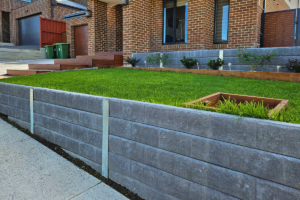
For repeated use along lot boundaries, panel and post retaining is a strong fit. It is fast to install, engineered for load, and integrates neatly with Colorbond and similar systems. Low quality or improvised solutions might look cheaper per metre, but they often result in movement, cracking or dispute, which quickly erodes any saving.
Given how important stable walls are to both structure and neighbour relationships, many developers review material on how quality retaining walls reduce long term costs before locking in their standard details.
On a single house, you can sometimes get away with a basic installer. On a subdivision or multi unit project, you need a partner who can think at scale.
When you are shortlisting suppliers, weigh them against criteria such as:
The cheapest quote on paper means nothing if the contractor cannot staff the job properly or repeatedly misses windows, which then delays landscaping, civil signoff or settlements.
Before the first post goes in, agree how you will handle:
Good fencing suppliers are used to working inside structured construction processes and should be happy to align with your systems. That alignment is what stops a steady trickle of unplanned costs from hitting your budget all the way through the job.
For developers and builders in Perth, a fence is not finished when the last panel goes in. It is finished when it passes compliance checks, survives the defect period and supports smooth handover to purchasers or facility managers.
Make sure your budget allows for:
These elements rarely add huge per metre costs, but they do need a line in your budget and attention in your program. When you build them in from the start, you avoid rushed, premium priced fixes right at the point where you want to be wrapping things up and moving on to the next stage.
If you treat fencing as a strategic package rather than a last minute procurement task, you give yourself control. Clear specifications, zone based budgeting, realistic allowances for retaining and a capable supplier turn fencing from a source of surprises into a predictable, well managed part of your development cost plan.
If you run a commercial or industrial site in Perth, your fence is part of your security system, your safety plan and your brand image, all at once. You are not just putting up a barrier, you are managing risk, traffic and compliance while trying to keep costs predictable.
Let us walk through the main fencing options that work well for commercial properties, what they cost you in practical terms, and the install factors that tend to catch people out.
Most commercial sites need a mix of three things, perimeter security, controlled access and a clean, professional look from the street. Different fence types hit those goals in different ways.
Garrison fencing is a strong fit when you want people to know the site is secure. You are working with welded steel panels and vertical bars, usually at a taller height than typical residential fencing.
On a cost scale, garrison usually sits in the mid to higher range per metre, reflecting heavier steel and fabrication. For busy frontages, high value yards and access points, that spend is often justified. If you want to drill deeper on this option, have a look at the dedicated product page for garrison fencing in Perth.
Chainmesh, sometimes called chain wire or chain link, is a go to for larger commercial and industrial boundaries.
On the cost spectrum, chainmesh usually lands as one of the more economical security options per metre, especially for long boundaries. That is why it turns up often on large sites where the main priority is a defined, secure line rather than architectural styling. For more detail on uses and configurations, the page on chainmesh fencing in Perth is a useful next read.
Many commercial properties combine tougher security fencing at the back and sides with a more refined look at the front. You might see:
This approach lets you keep the budget sensible on long, low profile boundaries while spending a bit more where customers and clients see the fence every day.
For commercial owners, compliance is not optional. Your fencing interacts with workplace safety rules, local planning requirements and often your insurance conditions.
If your site includes a pool, training tank or decorative water feature that meets pool definitions, you need compliant pool fencing and gates. That includes specific heights, non climbable zones, latch positions and self closing gates.
It is worth reviewing a clear guide on local obligations, such as pool fence compliance in Western Australia, before you sign off any design that involves water on a commercial site.
Commercial blocks in Perth often involve cut and fill, truck access ramps and retaining near boundaries. Once retaining reaches certain heights or carries loads from fences, railings or nearby structures, you are in engineered wall territory.
Panel and post retaining is a common choice for these situations because it is engineered and works well with security fences on top. To understand why it is widely used on commercial and mixed use projects, you can read about the benefits of panel and post retaining walls in Perth.
In busy yards, carparks and loading docks, fencing also helps manage how vehicles and people move.
Those functions often need to line up with workplace safety regulations, so design and material choices should go through whoever manages WHS or risk on your site, not just the person ordering the fence.
Every commercial site is different, so you will not find a one size fits all price list that means anything. What you can do is think in relative bands so you know which options are likely to take up more of your budget.
Custom high security systems, higher again, particularly where you combine extra height, anti climb features and specialist toppings
</li
When you read quotes, compare more than just the per metre figure. Look at height, steel thickness, coating type, footing design and hardware quality. Two similar looking fences can sit in very different real cost bands once you include lifespan, maintenance and performance under pressure.
On commercial properties, the gate is often more important than the fence. It controls who gets in, when they get in and how smoothly traffic flows.
Manual swing or sliding gates can work well for sites with limited daily movements or where staff are always on hand.
Manual gates still need quality hinges, latches and posts. Cutting cost too hard here leads to sagging gates, misalignment and frequent repairs, which erodes the initial saving.
For most commercial yards, warehouses and carparks, automated gates are the practical choice. They can be sliding, swing or bi fold, depending on space and traffic patterns.
Automation can be a large share of your boundary budget, especially with heavy garrison or large openings. Factor in motors, controls, safety sensors, power supply and installation. For complex driveways, the resource on sliding gate installation in Perth gives a good feel for what is involved, even though your site may sit at a larger scale.
Commercial fencing projects often look simple on paper, then get messy once they hit the ground. A few site specific realities have a direct impact on cost.
Unlike a vacant house block, many commercial jobs happen on live sites.
All of this stretches the install timeline and can add labour. A quote that includes staged works and out of hours labour will look higher than a basic rate, but it often reflects the reality of keeping your operation running while the boundary is upgraded.
Commercial sites often hide more underground than residential blocks. You might have:
Your installer may need service locations, concrete cutting, deeper cores or custom baseplates rather than standard post holes. Each of those details feeds into the labour and materials component of the quote.
On some projects you cannot replace the entire fence in one go. You might need temporary panels or staged openings so the site stays secure.
When you budget, allow for that staging if you know you cannot expose the whole boundary at once.
The smartest commercial fencing projects do not throw money at every metre. They put the right specification in the right place.
Walk your site with three questions in mind.
Areas that score high on any of those deserve stronger, better looking or more complex fencing and gates. That often includes front entries, high value storage, public interfaces and staff carparks.
Back boundaries that face other secure sites, internal divisions between low risk areas and some service zones can often use more economical options without compromising safety or image.
When you view your fence this way, as a set of zones instead of a single uniform cost, you get much more control over where your budget goes, and you avoid both under securing critical areas and overspending on low impact ones.
If you want help turning those ideas into a concrete scope, talking with a specialist that handles both commercial fencing and retaining, such as the team behind professional fencing installation services in Perth, will give you a clearer picture of realistic costs and staging for your specific site.
Material choice decides what your fence is made from. The installation process decides how well it stands up in Perth’s climate, how long it lasts and how much you really pay. This is where a cheap quote can quietly turn into a very expensive decision.
Let us walk through how professional fencing installation works in Perth, what typically happens on site and how timing and site conditions feed straight into your final cost.
Every project is different, but most quality installations follow a similar sequence. When you know the steps, you can see where shortcuts are being taken and where cost differences come from.
A proper installer will not guess from a photo. They will come out, walk the boundary and check:
This is when you should also discuss things like pool compliance, neighbour boundaries and any retaining you need. Good information here gives you a tighter quote and fewer surprises.
Next comes the detailed quote and design confirmation. This is where you lock in:
For some jobs, you may need council or strata approvals, especially for front fences, higher boundaries or significant retaining. If there is any doubt, clarify it before anyone starts digging. On retaining heavy projects, guides like the retaining wall installation guide are worth reading so you understand the implications.
Preparation work can be minimal or extensive, and that gap shows up clearly in the price.
If your quote does not clearly include demolition and disposal, you will either be doing it yourself or paying extra later. Old asbestos fencing in particular needs licensed removal and proper disposal, which is a separate cost category covered in guides like the 2026 asbestos fence identification guide.
Posts do the heavy lifting. If this step is rushed, the fence will move, lean or fail in Perth’s wind and summer heat.
Deeper or larger footings, more concrete and extra steel might not be obvious to the eye, but they are exactly what you pay for in a robust install that will not budge every time a storm rolls through.
Once posts are solid, the visible part of the fence goes in.
This is where craftsmanship shows. Straight lines, consistent gaps and tight fixings are the result of time, care and experience. When a quote is far cheaper, it often means less time allowed at this stage.
Gates are always more complex than straight fence runs. For each gate, the installer must:
For automated gates, there is more again.
This extra labour and technical work is why gates and automation can form a large slice of your fence budget compared with basic per metre rates.
On a quality job, the installer will:
It is a small part of the total time, but it is where a professional finish shows. A messy site and incomplete hardware checks usually signal the installer has been rushing to hit a tight, low rate.
Fencing products in Perth often come with manufacturer warranties, especially Colorbond, powder coated aluminium and glass hardware. Those warranties usually depend on correct installation.
A well installed fence will:
Poor installs might look acceptable on day one, but you start seeing movement, corrosion and cracks much sooner. At that point, your cheaper quote has turned into repairs, partial rebuilds or even full replacement.
Manufacturers can decline claims if products were installed incorrectly or outside their guidelines. Common problems include:
Professional installers know these rules and work to them. When you choose the cheapest operator with no track record, you risk losing the backing of both the installer and the product manufacturer.
Two fences using the same material can have very different install costs. The gap usually comes down to site conditions and complexity, not “expensive” labour.
Perth has plenty of blocks that are far from flat. On those sites, installers may need to:
Every step, cut and retaining section adds measuring, cutting, digging and concrete. That extra time is exactly what pushes installation costs up on complex blocks.
Deep sand, hard clay, rocky ground or areas with a high water table each demand different footing approaches. On tricky soil, your installer might need to:
These changes are not “upsells”. They are basic engineering responses to local conditions, and they protect your investment from early failure.
Any time a fence sits on or near a retaining wall, complexity increases.
Combined retaining and fencing is often best handled as a single package. If your project involves a lot of level changes, it is worth learning how panel and post retaining compares with limestone walls so you understand both cost and installation impacts.
Tight side paths, established gardens, active commercial yards and narrow driveways make life harder for installers. Limited access can mean:
These conditions slow the job down and raise labour hours, even though the fence might look simple once it is finished.
Time is money in fencing just like in any other trade. How you schedule installation affects both the quote and the hidden costs that sit around it.
If you call an installer and need the fence or gate done “as soon as possible” to hit settlement, an opening date or a compliance check, expect to pay for that urgency.
Those pressures often show up in higher labour rates or less favourable pricing on materials. A fence booked well in advance usually costs less than the same fence ordered at the last minute.
On commercial sites or busy family homes, you may not want the whole boundary open at once. Instead, the installer works in stages, or outside business hours.
These constraints are valid, especially where security or trading hours are at stake, but they add labour cost. When you see a higher quote that includes staging, you are usually paying for lower disruption, not just a random mark up.
On new builds and developments, fencing interacts with earthworks, concreters, landscapers and sometimes scaffolders.
Good installers will want to know your program dates and work backwards from them. When they build buffer time or extra visits into the price, it is often to avoid much more expensive delays later.
You do not need gold plated engineering for every metre of fence. But there are specific areas where paying for careful, professional installation gives you outsized value.
In these zones, shaving a small amount off the install price is rarely worth the risk. A fence that holds straight, passes every inspection and keeps doing its job in Perth’s climate is the result of correct materials paired with skilled, methodical installation.
When you read fencing quotes for your Perth property, do not just scan the per metre rate. Look at what is included in site prep, footings, gates, staging and compliance. Those are the pieces that decide how long the fence lasts, how often you need to call someone back and what the real cost of your fence looks like over its full life, not just on day one.
What you pay to install a fence is only the first chapter. In Perth, the real story shows up over the next set of years in cleaning, repairs, repainting and, eventually, replacement. If you are a busy homeowner, a developer managing warranties, or a commercial owner focused on downtime and risk, maintenance and lifespan matter just as much as the first quote.
Let us break down how different materials behave in Perth’s climate, what that means for ongoing costs, and how to choose low maintenance options that actually suit the way you live and work.
Perth is tough on fences. Strong UV, hot summers, coastal air in many suburbs and periods of wind and storms all accelerate wear if the system is not designed and installed properly.
When you are thinking about longevity, keep three local pressures in mind.
You cannot control the climate, but you can choose materials and details that stand up to it. That choice has a direct impact on how much time and cash you keep feeding into the fence each year.
Colorbond is popular in Perth for a reason. Its maintenance profile is simple.
For homeowners who do not want a fence on their weekend list, this is about as low effort as it gets. If you want a deeper look at long term performance, the resource on how long Colorbond fencing lasts in WA conditions is worth a read.
Timber can look great, but you are signing up for ongoing work.
If you enjoy DIY and are happy to repaint every so often, timber can be fine. If you are time poor or likely to pay a tradie for this work, those “cheap upfront” fences can become the most expensive option across their life.
Quality aluminium with a good powder coat sits close to Colorbond for low maintenance.
This is why aluminium slats work so well at front fences and gates. You get a premium, modern look without adding maintenance headaches on the most visible part of the boundary. For design options that still stay low maintenance, the guide on aluminium slat fencing in Perth is a useful reference.
With glass, your main ongoing cost is time, not materials.
You will not be repainting or replacing panels often if the system is installed correctly, but you should expect glass to take more cleaning time than a solid steel pool fence.
Maintenance work here is mostly about keeping strength and function, not looks.
When you choose decent coatings and hardware at the start, most security systems only need occasional targeted work, not constant patching.
Some fences look tidy on day one but bake in expensive problems. Watch for these traps regardless of material.
If soil, mulch or garden beds sit high against steel or timber, moisture stays in contact with the surface. Over time that leads to:
Maintaining a small clearance at the bottom of the fence, combined with proper drainage, reduces this risk and the repair bills that follow.
Where retaining sits under or near a fence, drainage is critical. Without it, water builds up behind walls, increasing pressure and causing:
Good drainage is not a “nice to have”. It directly affects how long the wall and fence last. For a focused look at what works in Perth soils, read through the overview on retaining wall drainage solutions.
You can choose a quality panel, then undermine it with low grade screws, brackets and hinges.
Replacing hardware across a fence line is tedious and costs more in labour than the better fixings would have in the first place.
A fence that does not deliver enough privacy or security at the start often ends up with add ons later, such as extra screens or improvised extensions. These retrofits:
It is cheaper to design the right height and style at the beginning than to keep bolting on fixes.
If you are working long hours, juggling kids, or just do not want another job on the list, design your fence to almost look after itself.
Complex decorative elements, lots of small pieces and hard to reach corners all collect dirt and take longer to clean. Simple profiles, straight runs and sensible access points reduce cleaning and repair time.
You can avoid big bills with quick, regular passes.
These small habits keep issues minor instead of letting them turn into structural repairs.
For developers and builders, maintenance shows up as call backs, defects and early replacement requests from owners or strata managers. That eats into margins and reputation.
Across stages or multiple projects, stick with materials and details that you know handle Perth’s conditions well.
This reduces variation in longevity and keeps future maintenance predictable.
When you are reviewing drawings, check:
A small amount of design effort here can save a long list of warranty items after handover.
On commercial and industrial sites, maintenance is less about looks and more about safety, security and uptime.
A fence that is cheap to maintain in this context is one that is built with enough strength at the start, uses durable coatings and is laid out so damaged sections can be replaced without pulling half the boundary apart.
When you are weighing options, do not only compare the first quote. Use these questions as a quick filter for longevity and maintenance.
If an option looks slightly more expensive upfront but scores far better on those points, it is often the smarter choice. You save your future self, your strata manager or your operations team from an ongoing drip of repair work and surprise bills.
When you combine climate aware materials, simple designs and quality installation, your fence stops being a constant maintenance job and settles into what it should be, a quiet, long term asset that protects your privacy, your project or your business without stealing your time.
Getting good value from a fence in Perth is not about chasing the lowest quote. It is about choosing the right supplier, structuring the job properly, and making smart calls on materials, compliance and warranties so the fence does its job for a long time with minimal drama.
Use the frameworks below whether you are fencing a family home, a development, or a commercial site. They will help you spend once, spend wisely and avoid paying twice.
A strong fence starts with a strong contractor. Here is a simple checklist to sort the pros from the pretenders.
A good quote is a sign of a good operator. It should clearly spell out:
If a quote is one vague line for a large job, you are flying blind. You cannot compare it properly and variation arguments are almost guaranteed later.
Pay attention to how they handle the early steps.
If communication is sloppy at the start, it rarely improves once the job gets difficult.
You can negotiate on fencing, but you want to do it without forcing the installer to cut corners that will bite you later. Use these levers instead of just demanding a cheaper number.
Tell the installer, “I want to keep your installation quality, but I am open to material or design tweaks that reduce cost.” That invites constructive suggestions instead of silent shortcuts.
When you have at least two detailed quotes, compare them line by line.
If one quote is materially cheaper, ask the installer to explain where they have saved cost. Sometimes it is better access or a smarter layout. Sometimes it is missing items that will show up as variations later.
Warranties sound comforting, but only if you know what they cover and what they require from you.
Ask for both in writing. If an installer only talks about the manufacturer warranty but offers nothing on their labour, that is a red flag.
Most warranties are conditional on correct installation and basic maintenance. Common conditions include:
Ask the installer to point out any key conditions that apply to your site. That ten minute conversation can save you a rejected claim years down the track.
That small amount of admin work reduces future call backs that land back on your desk.
Non compliant fencing is expensive. You pay for it twice, once to build it and once to modify or replace it. The fix is simple, treat compliance as part of the design stage, not an afterthought.
Instead of a vague “is this compliant,” ask concrete questions.
If the installer cannot answer clearly, or wants you to “just check it with council yourself,” find someone else or bring in a specialist for the higher risk parts like pool fencing or significant retaining. For pool work, look at a focused service such as pool safety fencing installation in Perth so you know what a compliant scope actually looks like.
A quick sketch and sign off beats arguments later about where a fence “was meant to go” or why a gate opens the wrong way for safety.
If you care about the environmental impact of your project, you do not have to sacrifice durability or blow your budget. You just need to think about sustainability in practical terms.
A truly sustainable fence is one you do not have to replace or repaint constantly. Strong candidates here include:
These small choices reduce offcuts that go straight in a skip, and they often lower your labour cost at the same time.
In coastal or harsh environments, higher quality coatings or slightly upgraded material specs can double practical lifespan. That means fewer replacements and less waste over time, which is better for both budget and footprint.
Before you say yes to any fencing proposal, run it through these quick filters.
If a quote passes those tests and the installer communicates clearly, you are on solid ground. If it fails in several areas, treat the low number as a warning, not a bargain.
There are times when paying a true specialist is not a luxury, it is a way to avoid serious cost and risk.
In these areas, the “cheap fix” is usually the most expensive option over time. A specialist team that designs, documents and installs correctly at the start protects you from rework, defects, regulatory trouble and safety incidents.
When you put all of this together, getting the best value from your fencing in Perth is straightforward. Choose the right contractor, insist on clear scope, negotiate by adjusting design rather than quality, respect compliance, and favour durable, low maintenance materials. The fence will cost what it costs, but it will do its job properly for a long time, which is where the real value lives.
You have seen how fencing costs in Perth really work. It is never just a price per metre. It is material choice, site conditions, installation quality, compliance, gates, retaining, maintenance and how long the fence will quietly do its job before you need to touch it again.
Whether you are a homeowner, a developer or a commercial property owner, the pattern is the same. The cheapest first quote rarely ends up the cheapest fence. The best value comes from matching the right specification to the right site, then getting it installed properly.
Before you approve any quote, pause and run through these anchors.
If you keep those points front of mind, price differences between quotes start to make sense, and you can choose with a lot more confidence.
If you are planning fencing around your home, your next moves are simple.
If you want a fast, no pressure starting point, use the online Colorbond fencing calculator and quote form to get an initial figure and then refine from there.
For projects that run at scale, you are not buying a fence. You are buying a repeatable system.
You will get better numbers and fewer variations if you talk to a specialist early, share your staging plan and agree up front on how to handle upgrades and purchaser variations.
If you manage a commercial or industrial site, security, uptime and image sit at the top of the list.
On these jobs, you want a contractor who handles both security fencing and automation daily, not someone learning on your site.
You now have the language and structure to hold a proper conversation with any fencing contractor in Perth.
A good installer will welcome those questions. It tells them you are serious and makes it easier for them to recommend a configuration that actually fits your site and budget.
Reading guides is useful. Walking your site with a specialist is where things become real.
If you want a clear, no nonsense view of what your fence should cost and what is genuinely worth paying for, reach out to a Perth fencing contractor who does this every day. Share your plans, your priorities and your constraints. Ask for options, not just a single number scribbled on a page.
You can start that process in a few minutes by requesting a detailed quote and on site measure through Stag Fencing’s free quote tool. Use what you have learned here, come to the conversation with specific questions and you will end up with a fence that suits your property, your risk profile and your budget in 2026, without nasty surprises later.
Pool fence compliance in Western Australia is not a box you tick once and forget about. It is an ongoing
Retaining walls are one of those things you do not really notice until you need one. Then they suddenly become
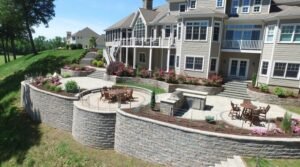
Retaining walls sit in that awkward space between landscaping and structural construction. They look simple from the outside, just a
Retaining wall council approval in Perth is not red tape, it is risk management for your property. If you own