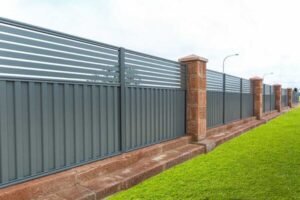
Pool fence compliance in Western Australia is not a box you tick once and forget about. It is an ongoing legal responsibility, a key safety barrier for kids and visitors, and a quiet driver of your property value. If there is water deep enough to swim in on your property, the law expects that you take pool safety seriously.
This guide breaks pool fence compliance down clearly for three groups who cannot afford to get it wrong. Homeowners with family and friends around the pool, developers and builders delivering new projects, and commercial property owners with any type of pool or water feature that people can access.
Pool safety is about people first, paperwork second
You install a pool or spa for lifestyle, not for headaches with council or insurers. But water on a property comes with risk. A compliant barrier does one simple job. It stops unsupervised access to the water, especially for young children who can get into trouble in seconds.
Every requirement you will read about in this guide serves that single purpose. The minimum fence height, the gap limits, the self closing gate, the latching position, the rules about climbable objects near the fence. None of it is random. It all exists to slow or stop a child from reaching the water when no one is looking.
When you see it that way, compliance stops feeling like red tape and starts looking like a common sense checklist that protects your family, visitors, tenants, customers, and your own peace of mind.
Why pool fence compliance matters legally
In Western Australia, pool barriers are not optional. They are mandated under specific building and safety regulations, which are enforced by local governments. If your pool or spa meets the legal definition of a swimming pool, you must have a compliant barrier and you must keep it compliant over time.
That applies to more than just traditional backyard pools. It can cover spas, plunge pools, some portable or temporary pools, and certain decorative water features if they meet depth and usage criteria. The details sit in the legislation and local council rules, but the short version is simple. If a young child could enter and be fully submerged, assume that a compliant barrier is required and get it checked.
Non compliance is treated seriously. Councils can issue notices, orders to fix, and fines. In more serious situations there can be prosecution. Insurance can also become messy if an incident happens and your barrier is found non compliant or poorly maintained.
On the flip side, a properly designed, installed, and maintained pool fence reduces your legal exposure. It shows you have taken reasonable steps to meet your obligations and protect people using or visiting your property.
How pool fencing affects your property value
A lot of owners only look at the cost of the fence. Smart owners look at the value it adds or protects.
For residential properties, buyers pay attention to three things around the pool area.
- Does it look clean, modern, and looked after
- Does it feel safe for kids and visitors
- Does it feel compliant, or will they inherit a headache with council
A solid, compliant fence in the right material ticks all three. It reassures buyers with kids or grandkids. It avoids the mental deduction buyers make when they see “more work to do” around the pool. It also lets you invest in higher quality materials like frameless glass or aluminium that match the rest of your outdoor area and hold up better in WA conditions.
For developers and builders, non compliant pool fencing can stall settlements or trigger rework late in a project, which always costs more. Consistent, compliant designs that pass inspection first time keep handovers smooth and protect the reputation of your brand with buyers and councils.
For commercial property owners and managers, the pool or aquatic area is often a key part of your offering. A shabby or obviously non compliant fence sends the wrong signal about how you treat safety across the whole site. A strong, compliant solution that matches your security fencing and gate systems supports your professional image and avoids disruptive compliance disputes.
Who must comply with WA pool fence laws
Pool fence compliance in WA applies across three broad groups.
1. Homeowners and residential investors
If you own a home, duplex, townhouse, unit, or investment property with a pool or spa that meets the legal depth criteria, you are responsible for a compliant barrier. That includes new pools, existing older pools, and properties you have just purchased. “It was like that when I bought it” does not carry any weight with council or insurers.
Any renovation or landscaping that changes levels, creates climbable structures, or alters access to the pool can also affect compliance. You are expected to reassess and fix the barrier if your works compromise it.
2. Property developers and builders
If you are developing or building residential or mixed use projects that include private pools, shared strata pools, or communal facilities, you must design and deliver compliant barriers as part of the build. That includes selecting suitable fence types, planning gate locations, managing level changes with retaining walls, and coordinating inspections before practical completion.
Your responsibility runs at least until handover and, in some contracts, longer. Poor planning around pool fences can delay occupancy, strain relationships with purchasers, and blow out project timelines.
3. Commercial property owners and managers
Commercial sites with pools or similar water bodies also sit under the compliance framework. That can include short stay accommodation, fitness facilities, education facilities, and some workplaces with recreational or display pools.
In these settings, the risk profile is often higher due to visitor numbers and limited direct supervision. A compliant, durable, and secure barrier is not just a legal requirement. It is part of your broader risk management and brand protection strategy.
What happens if you ignore compliance
If the pool barrier on your site is non compliant or poorly maintained, you expose yourself to three types of problems.
- Safety risk. The harsh truth is that weak barriers increase the chance of a serious incident around your pool. That is exactly what the WA laws are written to prevent.
- Regulatory risk. Councils can order repairs, require upgrades, and issue fines. Inconsistent compliance can also lead to repeat inspections and closer scrutiny on future projects.
- Financial risk. Insurance claims can come under heavy review if a non compliant barrier is involved. For developers and commercial owners, delays, rectification work, and reputational damage can carry real cost.
Where this guide fits into your planning
This article walks through the key pieces you need to understand in 2026 if you are planning, building, buying, or managing a property with a pool in Western Australia. You will see how the legislation translates into practical design rules, how to choose materials that survive WA conditions, and how to treat compliance as a normal part of your fencing and landscaping strategy, not a last minute problem.
If you are already thinking about fence types and styles for a new build or renovation, you may also find it useful to read more about frameless and semi frameless glass pool fencing options and broader fencing choices for Perth homes so you can line compliance up with the look and feel you actually want.
Understanding Western Australia’s Pool Fence Laws and Regulations
If you want a compliant pool fence in Western Australia, you need to understand two things. First, which rules actually apply to your property. Second, how those rules translate into real world details like fence height, latch positions, and what you can build the barrier out of.
The good news is that once you break the framework down, it is logical and predictable. That is how you avoid surprises at inspection time or during a council visit.
The legislative framework in plain language
Pool fencing in WA sits under a combination of building legislation, safety standards, and local council processes. You do not need to memorise section numbers to stay compliant, but you do need to know how they work together.
- Building and safety legislation. This sets out that pools and spas that meet certain depth and use criteria must have a compliant safety barrier. It also gives local governments the power to inspect and enforce those requirements.
- Technical standards and codes. These documents spell out the physical requirements for the barrier. Things like minimum fence height, maximum gaps, the way gates must close and latch, and what you can and cannot use as part of the barrier.
- Local council requirements. Councils apply the legislation on the ground. They approve pool barrier plans, carry out inspections, issue notices, and sometimes add local procedures about applications and timeframes.
For you, that means your barrier must satisfy the technical standards, and it must pass the practical tests your local council or inspector uses on site. If it fails either, it is not compliant.
The role of local councils in pool fence compliance
Every local government in WA has responsibility for pool barrier compliance in its area. While the core technical rules are consistent, the way each council handles the process can be slightly different.
Common council roles include:
- Assessing pool or spa applications where a new barrier is proposed
- Checking that barriers are installed in line with approved plans
- Carrying out periodic inspections of existing pools and spas
- Issuing written notices if they find non compliance
- Re inspecting after rectification work
If you are building a new home, renovation, development, or commercial facility, factor pool barrier approvals and inspections into your project timeline. Treat them the same way you treat building approvals or retaining wall sign offs. If you want a deeper dive into how general fence rules fit into council processes, it is worth reading about fence height regulations for Perth homeowners as a starting point.
Mandatory standards for pool fence height
Height is one of the most basic and visible compliance checks. If the barrier is too low anywhere along its length, it will not pass.
Key height principles usually include:
- Minimum finished height above ground. The pool fence needs to reach a minimum height measured from the finished ground level directly under the barrier. If the ground slopes, that measurement follows the slope, so low spots can become problem areas.
- Raised surfaces next to the fence. If you build a deck, planter, retaining wall, or other structure next to the fence, inspectors will often measure height from the top of that surface, not the natural ground. That is where people get caught out after landscaping works.
- Boundary fences used as pool barriers. If you use a boundary fence as part of your pool barrier, it must also reach the required height on the pool side and satisfy all the other rules about gaps, climbable rails, and so on.
A compliant design always considers finished levels and landscaping, not just the bare site.
Gap limits and non climbable zones
The second core part of the technical rules is about what a child can crawl under, squeeze through, or climb over.
Typical provisions cover:
- Gap under the fence. There is a maximum clearance allowed between the bottom of the fence and the finished ground. If you have uneven or sloping ground, some sections may need to step or follow the contour more closely to keep that gap within limits.
- Gaps between vertical members. In tubular or slat systems, there is a maximum allowed spacing between uprights. Wider than that, and a child may be able to squeeze through.
- Horizontal rails or footholds. The rules try to prevent easy climbing. That means restrictions on horizontal rails that form a ladder effect, projections, or features on the pool side of the barrier that can be used as footholds.
- Objects near the fence. Furniture, pot plants, storage boxes, and similar items close to the fence can create a climbing aid. Inspectors will look for anything nearby that reduces the effective height of the barrier.
When you design or assess a pool barrier, look at it like a determined toddler would. If it looks like something a child could crawl under, through, or climb over, it probably needs attention.
Gate mechanisms and latching requirements
Gates are one of the main failure points in pool fences. WA rules treat them very seriously, because a gate that does not close or latch properly might as well be open all day.
A compliant pool gate typically needs to satisfy all of the following types of requirements:
- Self closing. The gate must close by itself from all positions, without someone having to pull it shut. That means properly adjusted hinges and no heavy latches or ground friction that stop the swing.
- Self latching. The latch must engage automatically when the gate closes. You should not need to lift, twist, or force anything to make it catch.
- Latch position. The latch must sit at a specified minimum height above the finished ground or be designed so that a young child cannot reach it from outside the pool area. Some systems use shielded or internal latches for this reason.
- Gate swing direction. The gate must swing away from the pool area, not into it. That way a child leaning on the gate from the outside does not accidentally push it open.
- No propping open. The design must not rely on hooks, catches, or ground stops that allow the gate to be left held open. In practice, leaving a pool gate propped open can be treated as a compliance failure.
During an inspection, assessors will usually test the gate several times from different opening positions. If it fails at any point, it will be flagged for repair or adjustment.
Approved materials and construction standards
The law does not force you into one look for your pool barrier, but it does require that the materials and construction method are strong, durable, and difficult to climb.
Common compliant materials in WA include:
- Aluminium pool fencing with vertical bars
- Frameless and semi frameless glass panels with approved fixing systems
- Steel fencing or garrison style systems in suitable configurations
- Some masonry or solid walls that meet height and surface criteria
Whatever you choose, the key compliance tests are:
- Structural strength. The fence and gate must withstand reasonable impact and not loosen or fail under normal use.
- Corrosion resistance. Materials must be suitable for outdoor use in WA conditions. Rust or corrosion that weakens the barrier can turn a previously compliant fence into a non compliant one over time.
- Surface characteristics. The pool side of the barrier should be free of sharp edges and easily climbable features. For glass, that means correct panel spacing and secure fixings. For metal, it means the right rail and picket layout.
If you want a clean, modern look that lines up with compliance standards, take a look at frameless glass pool fencing options in Perth as a reference point for what a compliant premium installation can look like.
Ongoing maintenance obligations
Compliance does not end the day the fence is installed or the council signs it off. WA law expects that you maintain the barrier so it continues to perform properly over time.
Typical maintenance expectations include:
- Keeping gates working correctly. If the gate starts sagging, dragging, or failing to self close and latch, you must repair or adjust it. A worn out hinge is a compliance issue, not just a nuisance.
- Repairing damaged sections. Bent panels, loose posts, missing screws, cracked glass, or corroded fixings all compromise safety. They must be fixed or replaced promptly.
- Managing ground levels and landscaping. Soil build up, new paving, planter boxes, or garden beds can reduce fence height or increase gaps under the fence. You are responsible for making sure any changes keep the barrier within the rules.
- Keeping the fence clear. Climbable objects like chairs, eskies, barbecues, and toys should not be stored against the fence. Vegetation can also create footholds or hide defects if left unchecked.
A simple habit is to walk the barrier regularly and use a short checklist. Look for unlatched gates, movement in posts, corrosion, new gaps, and anything that could help a child climb.
What actually qualifies as a compliant pool barrier
When you put all of this together, a compliant pool barrier in Western Australia is not just a fence around water. It is a complete system that:
- Fully encloses the pool area or separates it from the house and yard as required
- Meets or exceeds the minimum height along its entire length
- Keeps all gaps under and between elements within the allowed limits
- Uses a correctly installed self closing, self latching gate that opens away from the pool
- Is built from materials that are strong, durable, and appropriate for the environment
- Cannot be easily climbed using built in features or nearby objects
- Is kept in good repair so those conditions remain true over time
If your current or planned fence fails in any one of these areas, you should treat it as a red flag. Fixing those issues on your terms is always easier than dealing with an adverse inspection, a complaint, or a safety incident.
Who Needs to Comply and Why
Pool fence compliance in Western Australia is not just for “big” facilities or brand new homes. If there is a pool or spa that meets the legal depth criteria on your property, someone is legally responsible for a compliant barrier every single day the water is there.
That “someone” changes depending on whether you are a homeowner, a developer or builder, or a commercial property owner or manager. Your responsibilities also shift a bit between new builds, renovations, and existing pools. Let us break it down clearly.
Homeowners and Residential Investors
If you own a residential property with a qualifying pool or spa, you are on the hook for compliance. It does not matter if:
- You installed the pool yourself or inherited it when you bought the house
- The pool is brand new or has been there for a long time
- The pool is in your backyard, in a courtyard, or shared in a small strata setup
Your core obligations as a homeowner include:
- Making sure there is a compliant safety barrier in place before the pool or spa is filled to a depth that triggers the legal requirements
- Keeping the fence, gate, and any boundary sections that form part of the barrier in good working order
- Maintaining safe clear zones on the pool side and removing climbable objects that compromise the barrier
- Responding to council notices and rectifying any issues within the required timeframe
New pools at home
When you install a new pool or spa, your barrier must be designed and built to meet current standards, not whatever rules applied years ago. That usually involves approval as part of your building or pool permit process and an inspection before you start using the pool.
Renovations and landscaping around existing pools
Any change to levels, decks, retaining walls, or access points near the pool can affect compliance. For example, if you add a new raised seating area next to the pool fence, the effective fence height from that platform may drop below the required minimum. The law expects you to reassess and upgrade the barrier if your renovation has created a new risk.
Existing older pools
Even if your pool is older, you cannot rely on “grandfathering” as a blanket excuse. In practice, inspectors assess existing pools against the standards that apply to them under current law. If they find clear risks or defects, you will be required to fix them. Insurance providers will also look closely at whether the barrier reasonably meets current expectations if anything goes wrong.
Property Developers and Builders
For developers and builders, pool fence compliance is part of delivering a complete, lawful project, not an optional extra at the end. You are usually the responsible party during design, construction, and up to handover.
Your main responsibilities as a developer or builder include:
- Designing pool layouts and barriers that comply with current standards, including provision for retaining walls, levels, and nearby structures
- Selecting materials and systems that meet both compliance and long term durability needs for the site
- Coordinating barrier installation in the right sequence so the pool is never left accessible without a compliant fence
- Organising inspections and addressing any non compliance before settlement or occupancy
New builds and estates
In new residential projects, you might be dealing with private backyard pools, shared strata pools, or communal facilities. Each one needs a compliant barrier that matches its use. Where pools sit close to boundaries, you must also coordinate with adjoining fence designs, retaining walls, and future landscaping to avoid creating non compliant situations for buyers on day one.
Renovations, extensions, and pool upgrades in projects
On renovation or extension projects, especially in higher end builds, clients often want to modernise the pool area at the same time. Any changes that alter the line of the barrier, introduce new structures near the fence, or shift access points will trigger a fresh look at compliance. Building it “like it was” is not enough if the old layout no longer satisfies the rules under the current configuration.
Why developers and builders cannot ignore compliance
If a project reaches inspection stage with a non compliant pool fence, you can face:
- Delays in practical completion or occupancy approvals
- Costly late stage rework to adjust levels, structures, or fencing
- Contract disputes with purchasers who cannot settle on time
- Reputational damage with councils and clients
This is why experienced project teams treat pool barriers like any other compliance critical element. The same way you plan for retaining wall approvals or structural sign off, you plan for pool fencing. If you want broader context on tying fencing and site levels together in projects, it is worth looking at how retaining wall installation affects boundaries and safety.
Commercial Property Owners and Managers
Commercial and community sites with pools or similar bodies of water carry a different type of responsibility. You often have higher visitor numbers, guests with varying swimming ability, and less direct supervision.
Your obligations as a commercial owner or manager usually cover:
- Ensuring every accessible pool or spa on the site has a compliant barrier at all times
- Integrating pool fencing with broader security measures, such as controlled access gates and surveillance where appropriate
- Implementing maintenance and inspection routines as part of your site safety system
- Training on site staff to check gates, remove climbable objects, and report damage promptly
New commercial pools and refurbishments
If you are building or refurbishing a pool in a commercial setting, you must work with designers, builders, and local authorities to ensure that the barrier meets both the technical rules and the specific operational needs of the site. For example, you might need controlled access for staff or emergency services while still keeping the barrier secure against unsupervised entry.
Existing commercial pools
Existing hotel, gym, education, and workplace pools are not exempt just because they have been in place for a long time. Regular inspections and audits are expected, and any issues picked up by council, insurers, or internal risk reviews must be fixed quickly. A tired, corroded, or poorly functioning fence around a commercial pool is a visible red flag for regulators and guests.
New Builds, Renovations, and Existing Pools: Who Holds the Responsibility
It helps to think about responsibility at each stage.
- During design and construction. Responsibility usually sits with the builder or developer, often shared with the designer or architect who specifies the barrier. Their job is to ensure what gets built will comply.
- At handover. Responsibility starts to move to the property owner, whether that is a homeowner, strata body, or commercial owner. They accept a compliant barrier and then take over maintenance.
- During renovations or site changes. Whoever controls the works, typically the owner and builder, is responsible for maintaining or reinstating a compliant barrier during and after construction.
- Day to day operation. The current owner or manager of the property is responsible for ongoing compliance. That includes tenants and on site managers where relevant, especially in commercial or managed residential settings.
What You Risk If You Do Not Comply
Ignoring pool fence compliance or treating it as a low priority problem is risky on three levels.
1. Safety risk
A non compliant or poorly maintained barrier makes it easier for unsupervised children or vulnerable people to reach the water. That is exactly what the WA laws are written to prevent. A gate that does not latch, a climbable object left near the fence, or a big gap under a panel might feel minor, but it is these small failures that turn into serious incidents.
2. Legal and regulatory risk
If council inspects your property and finds non compliance, you can face:
- Written notices requiring you to fix issues within set timeframes
- Fines or infringement notices for ongoing non compliance
- Potential prosecution in more serious or repeated cases
- Increased scrutiny on future applications or projects
For developers and builders, this can also mean delayed approvals, extra inspections, and more conservative treatment from regulators who feel you are not taking safety seriously.
3. Financial and insurance risk
On the financial side, non compliance can hit you through:
- Rectification costs when you are forced to upgrade or rebuild non compliant barriers
- Project delays that push out settlements or opening dates
- Disputes with buyers, tenants, or guests about safety standards
- Complications with insurance claims if an incident occurs and the barrier is found to be below standard
Insurers expect property owners to meet their legal duties. If investigations show a clear gap between what the law requires and what you had in place, cover can become complicated very quickly.
The smart move is to treat compliance as normal business
Whether you are a homeowner, a developer, or a commercial manager, pool fence compliance works best when you build it into your standard way of doing things. You design for it, you budget for it, and you maintain it. That is how you protect people, avoid nasty regulatory surprises, and keep your property value and reputation intact.
If you are planning a new fence or upgrade, looking at dedicated pool safety fencing options in Perth is a practical way to line compliance up with the style and lifespan you want from your outdoor area.
Key Features of Compliant Pool Fences
If you want a pool fence that actually passes inspection in Western Australia, you need to get the technical details right from the start. Height, gaps, gate hardware, and materials all work together as one safety system. Miss one, and the whole barrier can fail.
This section walks you through the key features that define a compliant pool fence, and how each one ties directly to real world safety, security, and peace of mind.
1. Height: Your First Line of Defence
Fence height is the most visible part of compliance, and it is the first thing inspectors look at. A fence that is even slightly too low in one section can be treated as non compliant.
What height rules are trying to prevent
The logic is simple. The higher the barrier, the harder it is for a young child to climb over. The rules are set so that a typical child cannot scale the fence without help.
When you are planning or checking fence height, think about:
- Finished levels, not raw ground. Height is measured from the finished ground level on the pool side. If you plan to add paving, decking, or garden beds later, that will effectively shorten your fence.
- Low points along the fence. On sloping sites, the inspector will look for the lowest point of the fence relative to the ground. A dip or high spot in the soil can turn a compliant design on paper into a fail on site.
- Boundary fences used as barriers. If your boundary fence forms part of the pool barrier, it must reach the required height along the pool side, even if the neighbour’s side drops away.
If you are building on a site with retaining walls or level changes, it can be worth looking at guides on retaining walls and council regulations in Perth so you can coordinate heights properly from the start.
2. Gap Limits: Stopping Crawling and Squeezing Through
Once height is sorted, gaps are next. The standards limit how much space you can have under, between, and through any part of the barrier. The aim is to stop kids from crawling under, squeezing between bars, or using footholds to climb.
Key gap considerations
- Under fence clearance. There is a strict maximum clearance allowed between the bottom of the fence and the finished ground. Uneven soil, poor concrete footings, or settlement can all increase this gap over time, so you want it tight and consistent at installation.
- Between vertical members. In aluminium pool fencing, tubular systems, or slat fences, spacing between uprights must stay within specified limits. If the spacing is too wide, a child may be able to push through.
- Openings in gates and panels. Decorative cut outs, patterns, or perforations must also respect gap limits. What looks stylish on a design sheet can become non compliant if the openings are too generous.
Why this matters day to day
Even the best design can drift out of compliance if you ignore it. Soil movement can increase the gap under panels, and cheaper systems can warp or spread. A quick visual check along the bottom of the fence and between bars should be part of your regular walk around the pool area.
3. Non Climbable Zones: Thinking Like a Determined Toddler
A fence can be tall and have tight gaps, yet still be easy to climb if it is full of footholds or surrounded by handy objects. That is why the rules create what inspectors often call a “non climbable zone” on the pool side of the barrier.
Design rules that reduce climbing risk
- Limit horizontal rails. Horizontal rails on the pool side of the fence, especially if they are spaced like rungs on a ladder, are a problem. Many compliant systems place rails low near the ground and high near the top, or put them on the outside, to reduce climbing risk.
- Smooth, flush surfaces. Solid walls, glass panels, or vertical bar systems that present a smooth surface to the pool side are generally easier to keep non climbable, as long as you avoid projections and decorative ledges.
- No handy objects near the fence. Chairs, eskies, pot plants, barbecues, and even toys can all give a child the boost they need. The space next to your pool fence is not storage space. Keep it clear.
When you assess your own pool area, crouch down and look at it from a child’s eye level. If you can see “steps” all the way up using rails, bracing, ornaments, or nearby objects, assume an inspector will see the same thing.
4. Self Closing and Self Latching Gates: The Critical Moving Part
The gate is the moving part of your barrier, and it is often where compliance fails in real life. A perfect fence with a lazy gate is not a safe system.
What your gate must do every single time
- Close on its own. From any open position, the gate must return to the closed position on its own without help. That comes down to good quality hinges, correct tension, and a clear swing path with no pavers or tree roots catching the bottom edge.
- Latch automatically. When the gate hits the closed position, the latch must engage by itself. If you need to slam the gate, lift it, or jiggle the latch to make it catch, it is not performing as required.
- Keep the latch out of reach. The latch must either be mounted high enough, or designed in a way that a small child cannot reach it or operate it from the outside. Many pool gates use shielded or pull up style latches for this reason.
- Open away from the water. The gate should swing outwards from the pool area. This reduces the chance of a child leaning on the gate from outside and accidentally opening it.
Habits that destroy a good gate
Even a fully compliant gate can become unsafe if people mistreat it. Common problems include:
- Worn hinges that let the gate sag and drag on the ground
- DIY latch changes that replace compliant hardware with cheaper parts
- Propping the gate open with a brick, hook, or plant pot “just for a bit”
If you manage a site with staff or tenants, make it clear that the pool gate is not to be modified, wedged open, or forced. It is a safety device, not a regular side gate.
5. Material Specifications: Strength, Durability, and Low Maintenance
The material you choose for your pool fence has to balance compliance, long term durability in WA conditions, and the look you want on your property.
What compliance expects from materials
- Structural strength. The fence and gate must withstand expected impact and normal use without bending, breaking, or coming loose. Posts, brackets, and fixings are just as important as panels.
- Weather resistance. Perth sun, coastal air, and reticulation overspray are tough on materials. Rust, corrosion, or UV damage that weakens the barrier will push a once compliant fence into the danger zone.
- Safe surface finish. The pool side of the barrier should be free of sharp edges and unnecessary projections, and should not provide easy hand or footholds through its design.
Common compliant material options in WA
- Aluminium pool fencing. Lightweight, corrosion resistant, and purpose built with vertical bars and compliant spacing. Ideal for low maintenance residential pools and strata complexes.
- Frameless and semi frameless glass. Gives a premium, open feel around the pool and backyard. With the right fixing systems and thickness, it meets structural and safety standards while keeping the pool visible from the house.
- Steel or garrison style fencing. Better suited to high security and commercial settings, provided the design respects gap limits and climb restrictions.
- Solid walls. Masonry, rendered walls, or similar structures can form part of the barrier if they are high enough, structurally sound, and non climbable on the pool side.
If you are weighing up different fence options around the pool and the rest of your boundary, it helps to think about maintenance and lifespan too. Guides on long lasting options like Colorbond compared with timber fencing can give you a feel for how different materials handle Perth conditions over the long term.
6. Layout and Access: The Barrier as a Complete System
Compliance is not only about materials and measurements. The way you lay out the fence around the pool, and how it interacts with your house, yards, and gates, is just as important.
Key layout principles
- Fully enclose the water. The barrier must either enclose the pool area completely or form a legal separation between the pool and any dwelling entry points, depending on your exact configuration.
- Control access points. Every way into the pool area should be through a compliant gate. Doors from the house directly into the pool space, unless treated in a specific compliant way, are usually not accepted as part of the barrier system.
- Coordinate with neighbouring structures. Retaining walls, boundary fences, sheds, and the house itself can all form part of the barrier. Each one then has to meet the same standards, so coordination at design stage is vital.
Think of your pool fence as a chain. If any one link is weak, the whole system fails. A beautiful glass fence on one side does not make up for a low boundary fence or a side gate that does not self close on the other.
7. How These Features Support Real Safety and Security
Every one of these features protects someone in a very practical way.
- The height and non climbable zones slow down curious children and make it hard for them to get to the water on their own.
- The gap limits stop small bodies from crawling under or through the barrier in seconds.
- The self closing, self latching gate covers the most common human error, which is forgetting to shut the gate behind you.
- The material and structural standards keep the barrier working year after year, instead of failing quietly through rust, rot, or loose fixings.
When you get all of these right, you end up with more than a compliant fence. You get a reliable safety system that protects kids, reduces your liability, and looks like it belongs on a well planned property.
Choosing the Right Pool Fence for Your Property
Once you understand what a compliant pool fence looks like, the next question is simple. Which fence will actually suit your property, your lifestyle, and WA conditions without turning into a maintenance headache in a few years.
You are not just picking a barrier. You are choosing something that sits front and centre in your outdoor area every day, cops full sun and retic water, and has to keep doing its job without constant fiddling. Let us walk through how to choose smart, then look at the main materials that work well around Perth pools.
Start With a Simple Selection Framework
Before you lock in a material or style, run each option through a basic checklist. For every fence type you consider, ask yourself:
- Compliance. Can this material and design be built to meet pool fence standards for height, gaps, and non climbable surfaces
- Durability in WA conditions. Will it cope with Perth heat, possible coastal air, and regular watering without warping, rusting, or fading badly
- Maintenance load. How often will you realistically need to clean, paint, tighten, or replace parts, and who is going to do that work
- Aesthetic fit. Does it actually suit your house design, paving, landscaping, and any boundary fencing like Colorbond or slats
- Privacy and visibility. Do you want to see through to the pool for supervision, or shield the area from neighbours and the street
- Sustainability and lifespan. How long is it likely to last, and can it be recycled or repurposed at the end of its life
- Budget and staging. Does it fit your budget, and can it be installed in a way that works with your project timeline
If a fence type fails more than one of these points for your specific property, you are probably forcing it. There will be a better fit.
Frameless and Semi Frameless Glass Pool Fencing
Why people choose glass around pools
Glass pool fencing is popular in Perth for a reason. It keeps sight lines open between the house and pool, which is a big plus for supervision. It also suits modern homes and outdoor areas where you want the water, not the fence, to be the main feature.
How glass performs on the key factors
- Compliance. Quality frameless and semi frameless systems use toughened glass with engineered fixings that meet pool barrier standards. When installed by a team that understands the regulations, compliance is straightforward.
- Durability. Toughened glass itself handles UV and weather well. The weak points are usually the hardware and fixings. In coastal or high retic areas, you want marine grade or high quality stainless components to avoid corrosion around spigots, posts, and latches.
- Maintenance. The main job is cleaning. Fingerprints, water spots, and dust show up, especially in full sun. In practice, plan for regular washes with a squeegee and mild cleaner. If you accept that routine, the rest of the system is low touch.
- Aesthetic appeal. Glass is hard to beat for a premium, open look. It works particularly well with modern architecture, tiled or stone surrounds, and landscaped gardens where you want the fence to disappear visually.
- Sustainability. Glass is recyclable, and a well installed system has a long service life. Choosing durable hardware avoids early replacement, which is where most waste comes from.
If you are weighing up different glass styles, it is worth looking at a comparison of frameless and semi frameless pool fencing so you can see how each option affects budget, appearance, and fixing methods.
Aluminium Pool Fencing and Tubular Systems
Why aluminium is a workhorse option
Purpose built aluminium pool fencing is one of the most practical choices for family homes, strata complexes, and some commercial sites. It is designed around pool regulations from the start, with vertical bars, compliant spacing, and hardware that suits self closing gates.
How aluminium stacks up
- Compliance. Standard aluminium pool panels are manufactured to align with pool barrier rules, which takes a lot of guesswork out. As long as the layout, levels, and gate hardware are planned correctly, it is very straightforward to pass inspection.
- Durability. Powder coated aluminium handles Perth weather well. It does not rust like raw steel, and modern coatings resist UV better than older systems. This makes it a solid choice for both inland suburbs and areas that get some coastal air.
- Maintenance. You are mainly rinsing off dust, cobwebs, and any overspray from reticulation. No repainting cycles, no staining, and no regular replacement of slats or boards. For time poor owners or managers, that low maintenance profile is a big advantage.
- Aesthetic appeal. Aluminium is more about clean and functional lines than making a big design statement. You can still choose colours that match your boundary fence or home exterior, but the style leans neat and practical rather than luxury feature.
- Sustainability. Aluminium is widely recyclable, and the long lifespan means you are not cycling through materials quickly. From a whole of life view, it is a sensible choice.
For many residential and light commercial properties, compliant aluminium pool fencing hits the sweet spot between cost, safety, and low hassle maintenance.
Aluminium Slat Fencing Around Pools
Where slats make sense
Aluminium slat fencing is usually used for boundaries and side returns, but with the right design it can also form part of a pool barrier. It suits owners who want more privacy around the pool or want to keep a consistent look with slat infills used elsewhere on the property.
Key things to watch with slats
- Compliance design. Standard privacy slat spacing may not meet pool fence gap limits or non climbable rules. To use slats as a pool barrier, you need a configuration that satisfies vertical gap rules and avoids ladder like footholds.
- Durability. Like tubular aluminium, slats benefit from powder coated aluminium sections that handle heat and moisture well. They are also lighter than many solid alternatives, which can help hardware last longer.
- Maintenance. More horizontal surfaces mean more dust, but cleaning is still simple. A soft brush and hose down will usually keep them looking sharp.
- Aesthetic appeal. Slats deliver a modern, architectural look with strong horizontal lines. They are ideal if you want the pool zone to feel more private, or you want to match aluminium slat fencing already used at the front or sides of your property.
If you want slats close to the pool, a common strategy is to combine a compliant glass or tubular barrier at the immediate pool edge with slats on the outer boundary. That way you keep supervision and compliance simple near the water, while still getting privacy where you need it.
Colorbond and Solid Boundary Solutions Near Pools
Using Colorbond as part of the barrier
Colorbond is often already on the boundary when a pool goes in. In many cases, it can form part of the pool barrier as long as it meets the height requirements and is coordinated with the rest of the layout.
- Compliance. A standard Colorbond fence that meets the minimum height and has a smooth pool side surface can work as a non climbable barrier segment. The key is ensuring any rails or steps near it do not create a climbing path.
- Durability and maintenance. Colorbond is designed for Australian conditions. It copes well with sun and reticulation when installed correctly. Maintenance is low, mainly limited to an occasional hose down.
- Privacy and noise. Solid panels block views and soften some noise. If your pool backs onto a street or neighbouring yard, that privacy can be a serious lifestyle upgrade.
If you plan to upgrade a boundary at the same time as your pool, resources like the Colorbond advantage guide are useful for understanding how these fences perform over the long term in Perth.
Garrison and Security Style Pool Fencing for Commercial Sites
On commercial or high risk sites, security style fencing such as garrison panels sometimes wraps around a pool area or sits just outside it as part of a broader security plan.
- Compliance. The raw strength and height of garrison fencing help, but the design still has to respect pool rules about gap sizes and climbability. That often means custom layouts and careful attention to rail positions.
- Durability. Heavy steel sections with quality coatings handle impact and heavy use well. For busy commercial pools or public facilities, that robustness is a big plus.
- Security. This style is ideal where you are managing after hours access, vandalism risk, or where the pool sits close to public areas.
For commercial managers, it often makes sense to pair high security fencing from a provider that understands pool compliance with controlled access gates and automation where appropriate.
Environmental and Sustainability Considerations
If you are conscious of environmental impact, look at the whole life of the fence, not just the material label on day one.
- Longevity. A fence that lasts for a long time without major repairs is almost always a better environmental choice than a cheaper system that needs frequent replacement.
- Recyclability. Aluminium and steel are widely recyclable. Glass can also be recycled if handled correctly. Treated timbers and mixed composite materials are often harder to deal with at end of life.
- Maintenance inputs. Systems that avoid regular painting, staining, or harsh chemical cleaners are easier on the environment and on your workload.
When you compare options, think in terms of [insert comparison period] and ask which fence is most likely to still be safe, straight, and functional at that point with minimal intervention.
Matching the Fence to Your Property Type
For homeowners, glass and aluminium are usually the front runners. Glass if you want a premium, open look and you are happy to clean it. Aluminium if you want a low maintenance, compliant workhorse that blends into the background.
For developers and builders, consistency and reliability are key. Aluminium pool fencing combined with Colorbond boundaries gives you a repeatable formula that councils understand and that buyers recognise as low maintenance.
For commercial owners, think in layers. A compliant internal barrier around the pool in glass or aluminium, backed up by garrison or similar on the outer boundary, and tied into your gate automation or access control where required.
The bottom line
The “right” pool fence is the one that keeps people safe, passes inspection without drama, stands up to WA conditions, and still looks good when you step outside each morning. If you start with compliance, then filter each material through durability, maintenance, and aesthetics for your specific site, the right choice becomes obvious very quickly.
Installation and Maintenance Best Practices
A pool fence in Western Australia only does its job if it is installed properly and then looked after. Compliance is not just about passing a one off inspection. It is about making sure that same fence still works properly after [insert timeframe], through heat, wind, kids pushing on it, and ground movement.
This section walks through how a professional installation should run, what you should expect from your installer, and the maintenance habits that keep your barrier compliant in WA conditions.
Step by Step: Professional Pool Fence Installation
If you are a homeowner, developer, or commercial manager, you do not need to know every technical detail, but you should recognise whether your installer is following a proper process. A typical compliant installation follows these steps.
1. On site assessment and compliance planning
The job should start with a proper site visit, not just measurements taken off a plan.
- Measure finished levels. The installer should check existing ground levels, paving heights, and any proposed decks or garden beds. Compliance depends on finished surfaces, not the raw sand pad.
- Confirm barrier line. You need a clear path that fully encloses the pool area or legally separates it from the house, with controlled access points through compliant gates only.
- Identify problem areas early. Retaining walls, steps, sharp slopes, or existing structures near the pool should be flagged up front. In some cases, you may need retaining or level adjustments first, which is where pairing fencing with proper retaining wall installation can save headaches later.
- Check council and project requirements. For new builds or commercial sites, the installer should work off your approved plans and any conditions from council or certifiers.
2. Setout and footing preparation
Once the design is locked in, accurate setout is critical.
- Mark post and gate positions. Posts should line up so panels sit level and gaps under the fence stay within limits, even on sloping ground.
- Plan gate swing and clearances. The gate must swing away from the pool and clear pavers or concrete. The setout should allow for hardware and hinges to work freely once installed.
- Prepare footings correctly. In most cases, that means properly sized concrete footings or core drilling for glass spigots, not just bolting into weak or crumbling surfaces. Solid foundations are what keep your fence straight and compliant over time.
3. Installing posts, spigots, and structural supports
This is the structural backbone of your fence.
- Plumb and alignment. Posts and spigots should be perfectly plumb and aligned before concrete sets. Any lean will show up later as uneven gaps or binding gates.
- Correct embedment. Depth and size of footings should match the fence type, panel size, and site conditions. Shallow or undersized footings are a common cause of wobbly barriers.
- Corrosion control. Near retic, gardens, or coastal air, installers should use suitable fixings, sleeves, and sealants to protect steel components and fasteners from rust.
4. Panel and glass installation
Once the structure is in place, the visible part of the fence gets installed.
- Maintain gap limits. Installers should check the clearance under each panel and between vertical members as they go, not just at the end. Adjustments are much easier before everything is locked off.
- Follow manufacturer specifications. For glass and engineered systems, the installer must follow the fixing patterns, bolt torque, and bracket locations specified for that product. Guesswork here undermines strength and compliance.
- Smooth pool side surface. On the pool side, you want a clean, non climbable surface without random brackets, protruding screws, or decorative features that create footholds.
5. Gate installation, adjustment, and testing
The gate is the most important moving part of your pool fence, and it is the part that inspectors focus on hardest.
- Quality hinges and latches. A proper pool gate uses hardware designed for self closing and self latching, not generic garden gate fittings.
- Self closing from all positions. The installer should test the gate from just ajar, half open, and fully open. It must close and latch under its own weight from every position.
- Correct latch height and design. Latch placement should keep the operating mechanism out of reach of small children standing outside the pool area.
- Safe clearances. Gaps between the gate and posts, and under the gate, must also comply with the same limits that apply to panels.
A good installer will adjust hinges and latches on the day, then ask you to try the gate yourself. If it feels stiff, drags, or needs a hard push, speak up before they leave.
6. Final compliance checks and sign off
Before you start using the pool area, the barrier should get a full compliance check.
- Height and gap verification. Every section of fence and the gate area should be checked with a tape measure from the correct points.
- Check for climbable objects. Inspect for nearby steps, ledges, or fixtures that shorten the effective height of the barrier.
- Confirm correct gate operation. The installer should demonstrate self closing and self latching performance with you present.
- Documentation. For new builds and commercial projects, make sure you receive any necessary certificates, product details, or diagrams that support council or certifier sign off.
If your installer skips straight from drilling to “all done” without any visible testing or measurement, that is a red flag.
Ongoing Maintenance in WA Conditions
Once the fence is installed, the responsibility shifts to you as the owner or manager. WA’s sun, wind, sandy soils, and reticulation can all chip away at a fence if you ignore it. A basic maintenance program keeps your barrier compliant and extends its life.
Regular inspection routine
Build a simple inspection habit into your calendar. For most properties, [insert inspection interval] works well.
- Walk the full barrier line. Look for loose posts, wobbly panels, cracks in glass, or leaning sections.
- Check the gate. Open it to different positions and let it go. It should close and latch without needing help. Listen for grinding or scraping sounds.
- Measure suspect gaps. If you notice a larger gap under one section, grab a tape measure and check it against the standard you are working to.
- Look for corrosion or deterioration. Surface rust, bubbling powder coat, or loose screws are early warning signs that need attention.
- Check nearby structures and objects. Steps, benches, planter boxes, or toys that have drifted close to the fence can create an unintentional climbing aid.
For commercial sites or multi dwelling developments, fold this check into your regular property or safety inspections, and record it as part of your systems.
Cleaning to protect appearance and structure
Cleanliness is not just about looks. Dirt, salt, and chemicals can accelerate wear on hardware and coatings.
- Glass fencing. Use a soft cloth or squeegee and a mild, non abrasive cleaner. Avoid harsh chemicals or abrasive pads that can damage the glass surface or hardware. In high splash zones, clean more often to remove pool chemicals.
- Aluminium and Colorbond. Rinse with fresh water and use a soft brush for stubborn dust or cobwebs. Regular rinsing removes retic overspray and contaminants that can shorten coating life.
- Steel and garrison fencing. Focus on removing any surface rust as soon as you see it, and keep joints and welds clean. Prompt touch ups with compatible coatings can slow deterioration.
If you are choosing materials for a new barrier and want to minimise future cleaning and repainting, guides on resilient options like Colorbond versus timber fencing give a good feel for how different finishes respond to WA conditions over time.
Managing ground movement and landscaping changes
Ground levels and landscaping around the pool do not stay frozen in time. The way you garden or pave can quietly drag a once compliant fence outside the rules.
- Soil build up. New garden beds, mulch, or sand build up against the fence can reduce the measured height or create climbing steps.
- Subsidence and washouts. On sloping blocks or near retaining walls, soil can settle or wash away, increasing the gap under panels.
- New structures. Gazebos, bench seats, planters, or storage boxes installed later can reduce effective height or give a child a boost over the fence.
- Vegetation growth. Trees and shrubs can grow into the fence, push panels out of alignment, or create natural footholds on branches and trunks.
Any time you change levels or add structures near the pool, treat it as a trigger to re check your barrier with a compliance mindset. That is especially important on developer projects where retaining walls and landscaping are staged over time.
Gate and hardware maintenance
The gate takes the most day to day punishment. People lean on it, kids swing on it, and wind catches it.
- Adjust hinges as needed. If the gate starts dragging or does not self close from certain positions, hinge tension or alignment likely needs adjustment.
- Lubricate moving parts. Use suitable lubricants on hinges and latches as recommended by the manufacturer. Avoid products that attract grit or attack plastics.
- Replace worn hardware promptly. A latch that only works half the time, a cracked hinge body, or loose striker plate is not a minor annoyance. It is a compliance fault and a safety risk.
- Control how people use the gate. Make it clear that the gate must not be propped open for convenience and that any issues should be reported immediately.
When to repair, when to replace
Every fence eventually reaches a point where patching is not smart anymore. The trick is knowing when repairs are reasonable and when you are just throwing money at a tired system.
Repairs are usually sensible when:
- Isolated panels are damaged but the rest of the fence is straight and structurally sound
- Hardware has worn out but posts, panels, and glass are still in good condition
- Ground movement has created a localised gap that can be fixed by resetting a footing or panel
Partial or full replacement is often smarter when:
- Multiple sections show corrosion, leaning posts, or widespread coating failure
- The design itself does not align well with current compliance requirements
- Your maintenance and repair costs are starting to match the cost of a more modern, low maintenance system
For investors, developers, and commercial owners, it can make financial sense to replace an old, high maintenance barrier with a modern compliant system that lowers future upkeep and presents better to tenants and visitors.
Audit and documentation for larger sites and projects
For strata developments and commercial properties, treating pool fence maintenance like any other safety system reduces risk and keeps everyone clear on responsibilities.
- Written inspection checklists. Use a standard list of items to review on each inspection so nothing gets missed.
- Maintenance logs. Record repairs, adjustments, and hardware replacements. That record is useful if regulators or insurers ever review your practices.
- Clear responsibilities. Make sure it is written down who checks the fence, how often, and how issues are escalated. Do not assume “someone” is looking after it.
- Periodic professional reviews. For complex sites or after major renovations, get a qualified contractor to do a detailed compliance check, not just a quick visual once over.
On development projects, it also pays to build pool fence checks into your standard quality and handover process, alongside your other compliance checks.
Make installation and maintenance part of normal planning
If you treat a compliant pool fence as a one off install and forget job, you are inviting trouble. If you treat it like any other safety critical structure on the property, with a proper installation, simple routines, and prompt repairs, compliance becomes straightforward.
Plan the barrier early, install it properly, keep an eye on it, and act quickly when something changes or wears out. That approach protects kids and visitors, keeps regulators off your back, and protects the value and reputation of your property, whether it is your family home, a development, or a commercial site.
Navigating Compliance for Property Developers and Builders
If you are a developer or builder in WA, pool fence compliance is not a “finish at the end” task. It is a thread that runs from concept design through to handover and defects liability. When you get it right early, settlements run on time, inspectors are calm, and buyers walk into a safe, clean pool area that feels finished, not patched together.
This section focuses on how to handle compliance across large scale and multi property projects, how to buy fencing in bulk without painting yourself into a corner, and how to work with councils and certifiers so pool barriers pass first time.
Designing for Compliance Across Multiple Lots
The easiest pool fence to build is one that was designed properly on day one. On multi lot projects, that means stepping back from any single dwelling and looking at how pools, boundaries, retaining walls, and shared spaces fit together.
Lock in a standardised compliance strategy
Before you draft detailed house or townhouse plans, decide on a pool fencing “kit” that works across the estate or building type. For example, you might standardise on:
- One or two compliant pool fencing systems, such as aluminium pool fencing or frameless glass, with pre agreed heights and hardware
- Colorbond or similar solid boundary fencing at known heights around rear and side boundaries
- Engineered retaining wall solutions that hold levels where they need to be, so fence heights and gaps stay compliant
Once you choose that kit, you can bake it into your typical lot layouts, tender packs, and trade scopes. That shift alone removes a lot of ad hoc decisions that cause compliance issues later.
If you are still working out your main fence palette for a new project, it is worth reviewing broader guides on types of fencing for Perth homes so your “standard kit” lines up with local expectations, budgets, and long term maintenance realities.
Coordinate pools, levels, and boundaries upfront
On tighter blocks, the pool often ends up near boundaries or on a transition between yard levels. That is where compliance can get messy if you ignore it at planning stage. During design:
- Confirm finished levels around every pool, including paving, decks, and garden beds
- Coordinate boundary fence heights and types with pool fence requirements on the pool side
- Plan retaining walls and step transitions so you do not accidentally create low points, climbable ledges, or oversized gaps under panels
For projects with multiple retaining walls or significant level changes, working with a consistent, engineered solution such as panel and post systems from a specialist can keep things predictable. Resources like the panel and post retaining walls guide are useful when you are mapping out cost, durability, and compliance in one go.
Bulk Procurement Without Compromising Compliance
On any multi dwelling or staged development, fencing can be one of your bigger combined trade packages if you handle it in a coordinated way. The trick is to capture the cost and program benefits of bulk buying without creating a one size fits none problem.
Standardise where it makes sense
Pool fencing loves standardisation. Repeating compliant panel sizes, post spacing, and gate hardware across lots gives you:
- Sharper pricing on materials and install rates
- Faster installation because crews are doing the same details repeatedly
- Fewer surprises at inspection, since inspectors see a known system across the project
Where you do need variation, keep it controlled. For example, you might allow a switch from aluminium to glass along specific edges of premium lots, but still insist on the same latch type, post layout, and gate locations.
Build compliance into your procurement specs
Every fencing and pool barrier trade package should spell out compliance expectations in plain language, not just “supply and install fence as per plans”. At a minimum, your scope should include:
- Nominal fence heights, measured from finished ground levels on the pool side
- Maximum allowable gaps under panels, between pickets, and around gates
- Requirement for self closing, self latching gates with child resistant latch positions
- Mandatory adherence to relevant WA pool barrier standards and local council requirements
- Obligation for the installer to attend or support inspections and address any rectification
When you tender fencing as a standalone package, point bidders to your typical detail sheets and compliance notes. You want pricing on a specific solution, not a dozen different interpretations of “pool fence” that may not pass inspection.
Choose suppliers who understand development work
You need more than a backyard installer who is used to doing single jobs in isolation. Look for fencing contractors who:
- Can handle volume and staging across [insert number] lots or more without slipping on quality
- Are familiar with WA pool barrier rules and can flag design issues before you pour concrete
- Are set up for commercial level documentation, including insurance, safety systems, and product data
For Colorbond and boundary packages that tie into pools, working with a contractor who specialises in those systems, such as those discussed in the Colorbond fencing installation guide, can keep your boundary and pool strategies aligned.
Customisation That Stays Within the Rules
Buyers and investors want some choice. They might want glass on their alfresco side, different colours, or more privacy around a plunge pool. You can offer that flexibility without opening the door to compliance chaos if you control the options.
Use pre approved “upgrade menus”
Instead of saying “you can choose any fence you like”, create a simple upgrade menu of pool fence options that you know are compliant on your standard lot layouts. For instance:
- Base option in powder coated aluminium pool fencing in specified colours
- Upgrade to semi frameless glass on the main viewing side
- Optional slat or Colorbond privacy sections in approved locations away from immediate pool edges
Each option should come with set dimensions, hardware types, and installation details, so it slots into your plans without redesigning the barrier every time.
Draw hard lines on non compliant requests
You will get requests for features that do not play nicely with pool barriers, such as:
- Wide horizontal slat designs right at the pool edge that act like ladders
- Steps, benches, or planter boxes tight against the fence that slash effective height
- Doors from living spaces opening straight into the pool area without proper separation
The answer to those requests is simple. You either redesign the layout to keep the barrier compliant, or you say no. Trying to “make it work on site” later usually turns into expensive rectification, awkward compromises, or delayed approvals.
Programming Pool Fence Works Into Your Timeline
On busy projects, pool fencing can be squeezed between paving, landscaping, and practical completion. If you leave it late, something else on site will be in the way, or you will run into lead time issues on hardware or glass.
Work backwards from inspection and settlement
For each pool, map out a simple sequence:
- Pool structure, shell, or insert installed
- Retaining walls and major level works completed and cured
- Primary paving or concrete around the pool in, at least to the point where fence footings can be positioned accurately
- Pool fence posts or spigots installed and concreted
- Panels and gates fitted and adjusted
- Internal and council or certifier inspection
- Landscaping and softworks around, but not compromising, the fence
Your construction program should give fencing enough window after hardscapes but before final inspection. Rushing the barrier in after soft landscaping is down usually means ripping up fresh work to fix heights or footings.
Stage bulk works logically
On grouped or multi stage developments, pool fence installation can follow a staged pattern alongside paving and external works. For example:
- Stage 1, install all pool fence posts and spigots across a set of lots on one mobilisation
- Stage 2, return for panel and gate install after hard surfaces are finished
- Stage 3, handle inspection rectifications and final tweaks across all those lots in one hit
This approach keeps mobilisation costs down and helps your fencing contractor stay efficient, which usually translates into sharper pricing and less downtime.
Working With Local Authorities and Certifiers
On paper, pool barrier rules are consistent. In practice, different councils and certifiers can focus on slightly different points or have their own preferred ways of documenting compliance. If you know how they think, your projects run smoother.
Get clarity early, not at inspection
For larger projects or anything unusual, invest some time upfront with the relevant authority or certifier. During early stages:
- Confirm how they want pool barrier details presented on drawings and documents
- Check whether they have local interpretations or preferences on issues like boundary fences forming part of the barrier, retaining wall interfaces, or door access
- Clarify when they expect to inspect, such as pre fill, post fence install, or as part of final building sign off
Once you know the framework, you can align your internal checklists with theirs so you are not discovering “pet issues” at the worst possible time.
Prepare clean, consistent documentation
When you submit plans or call for inspections, make it easy to see that you understand the rules. That means:
- Showing pool barriers clearly on site and floor plans
- Calling out fence types, heights, gate swing directions, and latch locations
- Using consistent details across lots, instead of a mix of symbols and notes that confuse everyone
A council officer or certifier who can quickly see that your design respects the fundamentals is more likely to treat site issues as minor adjustments, not system failures.
Use pre inspections and internal checks
Waiting for council to tell you what is wrong is a slow and expensive way to learn. For developments and commercial jobs, build internal checks into your quality system:
- Site supervisor checks each barrier against a simple height, gap, and gate function checklist before booking external inspection
- Your fencing contractor signs off on compliance to the relevant standard for their scope
- Any non conformances are fixed and rechecked internally before the official visit
That small amount of discipline keeps inspection reports clean and avoids the domino effect of failed inspections delaying settlements or occupancy.
Balancing Cost, Quality, and Compliance Across a Development
Every project has a budget. The skill is knowing where you can shave cost and where you cannot touch it without creating bigger problems later.
Do not cheap out on core compliance components
There are a few places where cost cutting tends to bite back harder than it saves:
- Using generic garden gates and hardware instead of proper pool rated self closing and self latching systems
- Under sizing posts, footings, or spigots so fences start leaning or wobbling within [insert timeframe]
- Mixing and matching incompatible systems on site, which leads to odd gaps or ad hoc fixes at junctions
Most of the real savings on large projects come from standardisation, staging, and strong trade coordination, not from swapping compliant hardware for cheaper non rated parts.
Focus on whole of life value, not just install cost
Buyers and tenants remember how a pool fence looks and behaves long after they forget its exact cost. Higher quality, low maintenance materials reduce defect calls, body corporate complaints, and churn on repair trades.
When you compare options, think in terms of [insert comparison period] and ask:
- How much rework or adjustment is likely through the defects period
- What the owners’ maintenance load and cost will look like once they take over
- Whether the system is robust enough for the way the site will be used, especially on shared or commercial pools
On higher value projects, that calculus usually pushes you toward robust aluminium systems, quality glass with proper hardware, and Colorbond boundaries that hold their shape and colour for a long time.
Turning Compliance Into a Standard Project Process
The most efficient developers and builders in WA do not treat pool fence compliance as a special project they need to re learn every time. They build a repeatable process around it.
- Standard pool fence and boundary details that all designers use
- Preferred compliant systems and suppliers who understand development work
- Clear scopes for fencing and retaining trades, with compliance written in, not assumed
- Simple internal checklists that supervisors and contractors follow before any external inspection
- Program slots that give fencing and inspections proper breathing room, not a rushed afterthought
Once that framework is in place, each new project becomes easier. Your team knows what “good” looks like, your suppliers know the drill, and councils start to recognise that your barriers usually pass first time. That is where real savings show up, not only in dollars, but in fewer headaches and smoother handovers.
Ensuring Security and Aesthetic Appeal for Commercial Properties
Commercial pool areas in WA have a tougher job than a typical backyard. You need a barrier that keeps unsupervised people out, satisfies pool fence regulations, deters vandalism and after hours access, and still looks professional in front of clients, guests, or tenants.
If you manage a hotel, strata complex, fitness facility, education campus, or any commercial site with a pool or deep water feature, your fence and gate setup is part safety system, part security system, and part brand statement. You cannot treat it like a cheap side gate.
Start With a Clear Commercial Pool Fencing Strategy
Before you start picking materials, map out what you actually need that fence to do. For commercial and higher risk sites, use a simple three part framework.
- Safety compliance. The barrier must meet pool fence regulations for height, gaps, non climbable zones, and gate performance. That is non negotiable.
- Security performance. It must reduce opportunities for after hours entry, theft, vandalism, and unauthorised use of the pool.
- Presentation and branding. It needs to look like it belongs on a well managed commercial site, not a temporary fix from a hardware store.
Every decision about materials, gate hardware, and system design should pass all three tests. If one area fails, you are buying a problem.
Choosing Fence Types That Balance Security and Appearance
Most commercial properties end up using a layered approach. One style right at the pool edge for compliance and visibility, and another style around the outer perimeter for higher security or privacy.
Layer 1: The Immediate Pool Barrier
This is the fence that sits closest to the water and carries the pool compliance load. On commercial sites, three main options usually make sense.
- Commercial grade aluminium pool fencing. Vertical bar systems with compliant spacing are a strong choice for strata pools, gyms, and smaller accommodation sites. They are tidy, low maintenance, and already configured around pool rules.
- Glass pool fencing. Frameless or semi frameless glass creates a premium feel and keeps visibility high so staff can oversee the area from reception or common spaces. When you choose quality hardware, it also holds up well to heavy traffic.
- Perforated or architectural aluminium panels. Purpose designed perforated pool fencing (such as systems similar to specialist perforated pool fencing products) can deliver a modern, semi private barrier with good airflow while still being compliant.
For this inner layer, focus on:
- Clear sightlines from staff vantage points and CCTV positions
- Robust hardware that copes with frequent use and occasional rough handling
- Simple geometry that inspectors can read easily and that cleaners can work around
Layer 2: High Security Perimeter Fencing
Where the pool sits near public access, car parks, or external boundaries, a second layer of higher security fencing is often the smarter option. This layer is about keeping people off the pool deck completely outside operating hours.
Common choices include:
- Garrison fencing. Heavy duty welded steel panels with vertical bars and pointed or blunt tops. When specified correctly, this style is hard to climb or cut and looks purpose built for serious sites. For Perth properties, take a look at garrison fencing options to understand how these systems present in a commercial context.
- Chainmesh fencing. For back of house or service boundaries near the pool zone, chainmesh fencing can add an extra barrier at a lower cost while keeping lines of sight for security staff and cameras.
- Colorbond or solid fencing. Where you want to block street views into the pool area or reduce noise, solid steel panels can form a strong privacy and security wall that backs up the inner compliant pool barrier.
On this outer layer, you are not trying to meet pool fence technicals near the water. You are trying to manage site security and access zones so the inner pool barrier is under less pressure to do everything on its own.
Automated Gates for Commercial Pool Areas
Manual latches are fine at home, but commercial properties benefit from controlled access. Automated gates and access control let you decide exactly who can reach the pool and when.
Choosing the Right Gate Type
For most sites, you will be thinking about one or more of the following.
- Pedestrian access gates. These are the main entry to the pool zone for guests or members. They must remain fully compliant as pool gates, so self closing and self latching, with compliant latch positioning, while integrating with your access control.
- Service or plant room gates. Secure access points for staff to reach pumps, filtration, and chemical storage. These may sit outside the direct pool area but still need to integrate with overall security.
- Vehicle or large equipment gates nearby. In some complexes, a larger automated gate might form part of the broader boundary near the pool area, even if it is not the direct pool entry.
In all cases, automation must work with the compliance rules, not against them. If the gate is part of the pool barrier, it still needs to behave like a compliant pool gate when access control hardware is added.
Integrating Automation and Access Control
On a commercial site, you often have one or more systems already in play such as key cards, fobs, PIN pads, or intercoms. Your pool gate should slot straight into that ecosystem.
- Access hardware. Card readers, keypads, or biometric readers can sit on secure mounting posts next to the gate. The gate still closes and latches mechanically, the access device simply controls when the latch can be opened from outside.
- Time based control. Many sites restrict pool access to certain hours. An integrated automation system can lock out guest access outside those times while still allowing staff access or emergency override.
- Emergency egress. People need to be able to get out of the pool area quickly in an emergency without breaching security or trapping themselves. That often means compliant push to exit hardware on the pool side combined with a normally locked access mechanism on the outside.
For more complex gates and integration around a commercial site, it is worth talking to a specialist team familiar with automated gates for Perth properties, not just a generic automation kit supplier. You want someone who understands both security and local compliance expectations.
Blending Security Measures With a Professional Look
A commercial pool area should feel safe and welcoming when gates are open, and secure but not hostile when they are closed. That comes down to detail choices.
- Consistent finishes. Match powder coat colours on pool fencing, garrison fencing, and gates to the rest of your external palette or branding. A consistent colour scheme makes even serious security fencing look deliberate, not patched on.
- Clean lines and clear signage. Use straightforward gate and safety signage that is clearly visible but not cluttered. Combine this with simple, modern fence profiles to avoid an institutional feel.
- Integrated landscaping. Planting and hardscaping around the fence can soften the look without creating climbable zones. Use low, non woody plants near the barrier and taller planting outside any climb zone.
- Lighting design. Good lighting around gates and fence lines lifts safety perception and helps CCTV capture clear images. Avoid dark corners and blind spots around access points.
The goal is simple. From a visitor’s point of view, the pool area should look like an intentional part of a well designed facility, not a cage added as an afterthought.
Integrating Pool Fencing With Existing Security Systems
If you already run CCTV, alarms, or site wide access control, your pool fence needs to play nicely with those systems.
CCTV and Monitoring
Think about how your fence design affects surveillance as you plan it.
- Camera placement. Position cameras so they can see both sides of the pool gate, key fence lines, and any areas where someone might attempt to climb or bypass the barrier.
- Line of sight. Avoid solid structures or dense planting that create blind spots at corners or along long stretches of fence. In some locations, a see through security fence such as garrison or chainmesh works better with CCTV than a solid wall.
- Event triggers. If your system supports it, you can set alerts for after hours motion near the pool entry or perimeter, then use lighting and recording to capture clear evidence.
Access Control and Audit Trails
Most commercial operators like to know who has accessed the pool area and when. That is where access control integration pays off.
- User level control. Staff, tenants, and guests can have different permissions. For instance, housekeeping might have access for early cleaning hours while guest access runs on a different schedule.
- Audit logs. Card or fob based entry gives you a record of who entered the area, which can be useful if you ever need to review an incident.
- Remote control. On some sites, building management may want the ability to disable pool access quickly during maintenance or safety concerns without physically going to the gate.
Your fencing contractor should be comfortable working alongside your security or electrical team so brackets, conduit runs, and power feeds are planned into the gate and fence layout from day one.
Decorative Options That Still Respect Compliance
Commercial owners often want the pool to be a hero feature for their property, not just a tick box. You can push the look further without breaking the rules if you focus on smart detailing rather than risky structures.
- Architectural battens and blades. Vertical aluminium battens or blade fencing around the pool precinct can add a high end feel without creating climbable ladders, as long as spacing and height are designed for compliance.
- Perforated and patterned panels. Pre engineered perforated panels can add texture and branding opportunities. The key is using products designed specifically with compliant opening sizes and structural performance.
- Colour and branding. Strategic use of corporate colours on posts or gates, along with subtle logo plates or laser cut branding, can make the area feel integrated with the rest of the site identity.
Work with a contractor who spends time on both residential and commercial architectural fencing, such as those behind products like frameless batten fencing, so you get practical advice on where design freedom ends and compliance risk begins.
Operational Habits That Protect Your Investment
Even the best commercial fence will fail if day to day habits work against it. Set clear site rules and procedures so your barrier keeps doing its job.
- Staff training. Make sure all staff know that pool gates must not be propped open, that any gate or latch fault is reported immediately, and that furniture or equipment cannot live against the fence.
- Routine inspections. Add the pool barrier to your regular site checklist. Look for loose panels, corrosion, warped gates, and new climbable objects or structures.
- Contracted maintenance. For busy sites, lock in a regular visit from your fencing contractor to check and adjust gates, tighten hardware, and flag any areas that need repair before they become a compliance or security problem.
- Incident response. If you have any near miss or security breach involving the pool area, review not just the people side but the physical fence and gate design as well. Adjust if needed rather than assuming it was a one off.
The commercial standard is simple
Your pool fencing and gate system should look like it belongs on a serious, well managed property, it should cooperate with your security and access control, and it should satisfy pool barrier rules every day without constant firefighting.
If your current setup falls short on any of those points, it is time to plan a staged upgrade. Start with the compliance basics at the water’s edge, add the right level of security on the perimeter, then tie it all into your automation and CCTV. That is how you protect people, protect your brand, and get a pool area that actually supports your business instead of draining time and attention.
Common Compliance Challenges and How to Overcome Them
Pool fence compliance in WA is not usually tripped up by obscure rules. It is the same handful of problems that keep popping up across homes, developments, and commercial sites. The good news, once you know what to look for, you can fix most of them before council or an inspector ever gets involved.
Aging Pool Fences That Have Quietly Drifted Out of Compliance
Old fences are one of the biggest hidden risks. They might have been compliant when they went in, but WA sun, kids, pets, and ground movement slowly change things.
Typical issues with older barriers
- Rust, rot, and corrosion that weaken posts, panels, and fixings until they wobble or fail
- Leaning posts that create low spots along the top line and larger gaps underneath
- Worn hinges and latches that stop gates from self closing and latching reliably
- Ground and garden changes, such as soil build up, mulch, or subsidence that alter fence height and clearances
How to get an aging fence back under control
- Do a structured walk through. Do not just glance from the patio. Walk the entire fence line, push on panels, check posts for movement, and test the gate repeatedly.
- Separate cosmetic from structural issues. Faded paint is ugly but not automatically non compliant. Wobbly posts, large gaps, and a lazy gate are immediate problems.
- Fix quick wins first. Replace latches, re tension hinges, tighten fixings, and clear any soil or mulch that has piled up against the fence.
- Decide on repair vs replacement. If corrosion or structural weakness shows up in more than isolated spots, it might be smarter to replace the barrier with a modern compliant system such as purpose built aluminium or glass pool fencing.
For many Perth owners, a tired barrier is the prompt to upgrade to something more durable and low maintenance that will actually hold its shape for the long term.
Upgrading Non Compliant or “DIY” Barriers
Plenty of properties still have fences that were never truly compliant. Common offenders include low timber screens, decorative slat fences with wide gaps, and improvised gates made from standard garden hardware.
Red flags that suggest a full upgrade is due
- The fence is well below minimum height along any stretch, even with no soil piled up
- Gaps under or between elements are clearly large enough for a child to squeeze through
- Gates are not self closing or self latching, or they rely on hooks and props
- The design itself is fundamentally climbable, such as wide horizontal slats or rail ladders
A practical framework to upgrade the right way
- Confirm what you are dealing with. Treat the existing barrier as a starting point, not something you must keep. Identify which sections are beyond saving.
- Choose a compliant system, not just a “similar” fence. Look for products that are specifically marketed and installed as pool fencing, such as aluminium pool panels, glass systems, or compliant slat configurations. Generic boundary or garden fences are not enough.
- Plan the layout around compliance first, looks second. Decide where the barrier must run to fully separate the pool, then work out how to make that line look good with materials like glass, aluminium, or Colorbond on the outer boundary. If you want more detail on slats near pools, read up on aluminium slat fencing design for Perth homes.
- Stage the change if needed. If budget is tight, prioritise the immediate pool edge with a fully compliant barrier, then upgrade surrounding boundaries and aesthetics as a second stage.
Trying to “patch” an obviously non compliant DIY setup usually costs more in the long run than replacing it with a proper system that inspectors recognise and trust.
Ground Levels, Retaining Walls, and Landscaping That Ruin Compliance
The fence might have been perfect when it was installed, then someone added a deck, raised a garden bed, or a retaining wall settled. Suddenly that once compliant barrier no longer passes the basic height and gap checks.
How site changes commonly break compliance
- Raised surfaces next to the fence, such as new decking, steps, or planters that reduce effective height
- Soil or mulch build up against the fence that creates climbing steps or buries part of the barrier
- Subsiding or shifting retaining walls that open up gaps under panels or lower fence sections relative to new ground levels
- Trees and shrubs growing into the fence and forming natural footholds
How to fix level and landscaping problems without starting from scratch
- Re measure from current finished surfaces. Do not rely on old plans. Check actual heights and gaps from decks, paving, garden beds, and retaining tops.
- Trim and clear first. Remove or reduce soil, mulch, and vegetation that has crept into the non climbable zone. You might regain some height and clearance immediately.
- Add compliant “extensions” where suitable. In some cases, you can add extra compliant fence height or panels on top of existing masonry or retaining, provided the combined structure remains strong and non climbable.
- Address failing retaining walls properly. If walls have moved or slumped, fix the retaining first with an engineered solution, such as a panel and post system similar to those outlined in the panel and post retaining wall range, then reset fence footings to match the new levels.
- Plan future landscaping with the fence in mind. Treat anything within the fall zone of the fence as part of the safety system, not a free design area.
The key mindset, you cannot change levels near a pool fence and assume compliance will look after itself. Every change needs a quick compliance check.
Gate Problems and Everyday Habits That Undermine Safety
Gates cause a large share of compliance failures. The physical hardware wears, and human habits make things worse.
Common gate related failures
- Gate does not self close from all positions, especially if just ajar
- Latch only engages if the gate is pushed hard or lifted
- Gate drags on the ground because the hinges have sagged
- Latch has been replaced with non compliant hardware during a quick repair
- Gate is regularly propped open with bricks, wedges, or furniture
How to bring gates back to compliant operation
- Test from every angle. Open the gate slightly, halfway, and fully, then let it go. It must close and latch unaided each time.
- Adjust or replace hinges. Use hinges designed for self closing pool gates, and adjust tension until the gate closes smoothly without slamming.
- Install proper pool rated latches. Choose hardware specifically intended for pool gates, with child resistant operation and compliant mounting height.
- Enforce a no propping rule. On rental or commercial sites, make it part of staff and tenant induction that pool gates cannot be wedged open, even “just for a minute”.
- Schedule periodic checks. Add gate function tests to your regular property inspection or maintenance list so small performance issues are fixed early.
Think of the gate as the most critical moving part in the system. If it is not working perfectly, the whole barrier is compromised.
Boundary Fences and Neighbour Issues Around Pools
When a boundary fence forms part of the pool barrier, you are suddenly dealing with two owners, different expectations, and shared structures. That is fertile ground for compliance headaches.
Typical boundary related challenges
- The neighbour replaces or alters the boundary fence without considering your pool barrier
- One side raises ground levels or adds structures that affect effective fence height
- A boundary fence that was marginal in height now clearly fails when new landscaping goes in
- Disputes about who pays for upgrades that are driven by pool rules
Smart ways to manage boundary and neighbour issues
- Know which parts of the boundary form your legal barrier. Map out where your compliance actually relies on the shared fence.
- Talk before anyone touches the fence. If you or your neighbour plan to change a shared fence near the pool, treat it as a joint project. Make it clear that any new fence in that section must meet pool barrier standards.
- Offer compliant solutions, not just objections. Suggest practical options like a taller Colorbond section, or adding a separate internal pool fence on your side if the neighbour wants a different style. Guides such as the Colorbond colour guide for Perth homes can help when you are trying to keep both aesthetics and compliance in mind.
- Document agreements. For strata or multi dwelling sites, make boundary fence standards part of the bylaws or guidelines so future owners understand what they can and cannot change.
Where cooperation is difficult, the safest move is often to add a fully compliant internal pool fence on your own title and treat the boundary as a separate issue.
Council Inspections, Notices, and Approval Delays
Many owners only find out there is a problem when council sends a notice or a pre settlement inspection fails. The stress comes from not knowing what is wrong or how to respond.
Common procedural pain points
- Inspection reports that list issues in technical language without clear solutions
- Short timeframes to fix problems, especially if multiple trades are involved
- Failed reinspections because only surface issues were addressed
- Delays in occupancy or settlement because pool barriers are still non compliant
How to handle council and inspector interactions like a pro
- Read the notice carefully. Separate admin items from physical defects. List each physical item that needs work.
- Get a competent contractor involved early. Share the notice with a pool fencing specialist who works under WA rules, such as a contractor that offers professional fence repairs in Perth. Ask them to walk the site and explain what they would do for each point.
- Fix underlying causes, not just symptoms. If the gate is failing, do not just tighten a screw. Replace worn hardware or posts that cause sagging. If heights are marginal, correct levels or fence height properly instead of banking on a friendly inspector.
- Do your own post fix check. Before you call council back, walk the barrier with the notice in hand and tick off each item yourself. If you can still see a problem, the inspector will too.
- Keep records. For developments and commercial sites, keep photos and brief notes of rectification work. If something is questioned later, you have a clear trail.
The aim is simple, convert a failed inspection into a one time learning, not an ongoing back and forth that drags out for [insert timeframe].
Strata and Commercial Sites: Shared Responsibility, Blurry Ownership
On strata complexes, short stay accommodation, and workplaces, everyone uses the pool, but no single resident feels responsible for the fence. That gap in ownership is where compliance slips.
Typical shared site challenges
- No one has a clear role for regular inspections or maintenance
- Furniture, toys, or equipment are stored against the fence by different users
- Well meaning staff modify gates or hardware for “convenience”
- Budget approvals for repairs and upgrades move slowly
How to bring structure into shared environments
- Nominate an owner. The strata council, building manager, or property manager must explicitly own pool fence compliance and maintenance.
- Write a simple inspection checklist. Cover heights, gaps, gate function, nearby objects, and obvious damage. Attach this to your regular property inspection routine.
- Set rules for pool furniture and equipment. Make it clear that nothing can live against the fence, and that staff must reset the area at the end of each day.
- Pre approve a contractor and budget range. Have a relationship and standing approval for small repairs so you do not wait through meeting cycles to fix a failed latch.
- Educate occupants. Use clear signage and induction material to explain how the gate must be used and who to contact if they notice a problem.
On larger commercial sites, treat the pool barrier like any other safety critical asset, right alongside fire systems and access control. It is not a “nice to have”, it is a core risk control.
How to Stay Ahead of Compliance, Not Chase It
If you are constantly reacting to notices and near misses, your process is backwards. A better approach is simple.
- Schedule regular checks. Use a fixed inspection interval and stick to it, even if nothing looks wrong from a distance.
- Plan upgrades proactively. If your fence is old, patchy, or based on an outdated design, budget now to upgrade to a modern compliant system in the next [insert timeframe].
- Use specialists, not guesswork. Engage installers who live and breathe WA pool fence rules, and let them guide layout and hardware choices.
- Link fencing decisions with broader site works. Any time you touch retaining walls, decks, or landscaping near a pool, bring pool fence compliance into the planning discussion.
That approach keeps you in control, protects kids and visitors, and avoids the ongoing stress of wondering if the next council visit or inspection will turn into an expensive surprise.
Conclusion and Practical Next Steps
Pool fence compliance in Western Australia comes down to three things that matter every day, not just at inspection time. Safety for children and visitors, meeting your legal obligations, and protecting the value of your property or project.
If your barrier is compliant, you sleep easier. If it is not, you carry safety risk, regulatory risk, and financial risk every single time someone is near that pool.
You have seen how the rules translate into real details. Fence heights, gap limits, non climbable zones, self closing gates, durable materials, smart layouts, and ongoing maintenance. None of it is theory. Each piece is there to stop unsupervised access to water and to prove you have taken reasonable steps to keep people safe.
So the question now is simple. Where does your current or planned pool fence really stand
Step 1, Take an Honest Look at Your Current Fence
Whether you are a homeowner, developer, or commercial manager, start with a clear headed check of what you have today.
- Walk the entire fence line, not just the bit you see from the alfresco
- Measure heights from the actual ground, paving, or decks on the pool side
- Look for gaps under panels, between bars, and around the gate
- Test the gate from different opening positions and watch if it self closes and latches every time
- Check for climbable objects, steps, or garden features close to the fence
- Note any corrosion, movement in posts, cracked glass, or damaged sections
You do not need to become a building inspector, but you do need to be honest. If anything feels marginal or clearly wrong, treat it as a problem to solve, not something to ignore until council appears.
Step 2, Decide If You Need Repair, Upgrade, or Full Replacement
Once you have a realistic picture, choose which bucket your barrier sits in.
- Minor repair, the design is sound, but hinges, latches, or a couple of panels need work
- Upgrade around the edges, the main fence is workable, but levels, landscaping, or boundary sections are pulling compliance down
- Full replacement, the fence is low, climbable, corroded, DIY, or never designed as a proper pool barrier in the first place
For older or improvised fences, full replacement with a modern compliant system is often the most sensible move. It fixes safety, simplifies inspections, cuts future maintenance, and usually looks much better.
If you know your broader fencing or boundaries are also due for an upgrade, it can be smart to step back and look at how the pool fence fits into your whole property plan. Guides like fence styles for Perth families are useful if you want the pool area to blend with the rest of your fencing, rather than look bolted on.
Step 3, Get Qualified Advice Before You Spend Money
Guesswork around pool compliance usually ends up expensive. You either buy materials that cannot pass inspection, or you pay twice to fix preventable mistakes.
Instead, talk to people who work with WA pool fence rules every day. When you speak with a professional, make sure they:
- Understand the specific legislation and standards that apply to WA pool barriers
- Can explain how height, gaps, and gate rules apply to your exact site levels and layout
- Offer proven systems, such as aluminium pool fencing, glass fencing, or compliant slat options, not just generic garden fences
- Are comfortable coordinating with your builder, landscaper, or strata manager
If you are planning a broader fencing project at the same time, including Colorbond boundaries or new side gates, it is worth looking at the broader services and advice from a specialist fencing contractor. A good starting point is the main service overview for fencing installation in Perth so you can see how pool fencing fits alongside boundaries, gates, and retaining work in one plan.
Step 4, Choose Materials That Match WA Conditions and Your Lifestyle
Compliance is the line in the sand. Once you meet it, you still need a fence that suits how you live or operate in WA.
- Homeowners, often lean toward glass for a premium, open feel, or aluminium for a tough, low maintenance workhorse that quietly does its job
- Developers and builders, usually standardise on reliable aluminium and Colorbond combinations, then add glass upgrades where they make sense
- Commercial owners, tend to use layered solutions with compliant inner barriers and high security perimeter fencing that ties into automation and CCTV
The right material choice should reduce, not increase, your maintenance load. You have better things to do than constantly paint, re hang, or patch a fence that fights WA sun, wind, and retic water every season.
Step 5, Build Compliance Into Your Ongoing Routine
A pool fence is not set and forget. Make simple, repeatable checks part of how you run your home, project, or site.
- Set a recurring reminder to walk the fence at a fixed interval and test the gate
- Include barrier checks in any inspection you or your team already do on the property
- Any time you change levels, add decking, put in a retaining wall, or revamp landscaping near the pool, re check the barrier
- Act quickly on small faults, do not wait for them to grow into full failures
If you manage a strata or commercial property, write these checks into your systems so they survive staff changes. Make one person clearly responsible, and give them access to a reliable fencing contractor for prompt repairs.
Step 6, Work With Trusted Suppliers and Installers
The fastest way to a compliant, low stress pool fence is to partner with people who specialise in this work in WA, not with whoever gave the cheapest quote on a generic fence.
Look for a team that:
- Designs and installs compliant pool fencing every week across Perth and surrounding areas
- Understands how to work around retaining walls, tight sites, and staged developments
- Can handle both residential and commercial jobs without losing attention to detail
- Offers clear, up front guidance and does not leave compliance up to you to figure out
If you are ready to get specific about your own property, next steps are simple.
- Walk your current fence and make a short list of obvious issues or questions
- Decide whether you are likely in the repair, upgrade, or replacement category
- Reach out to a specialist fencing installer for a site visit and clear advice based on WA rules
You do not need to become a pool fence expert. You just need to decide that safety, compliance, and long term durability are non negotiable, then bring in the right people to help you deliver that.
Your pool or water feature should be a drawcard, not a liability. With a properly designed, installed, and maintained fence, you protect your family, guests, buyers, and tenants, while keeping councils, certifiers, and insurers on side.
Take the time now to sort your barrier out on your terms. It is a straightforward project when you tackle it with clear information and experienced installers, and it is one of the simplest ways to protect both the people around your pool and the value of the property it sits on.