If you want a fence that copes best with Perth’s heat, wind, and termites, Colorbond usually comes out ahead. If you care most about natural character and you are willing to maintain it, timber can still be a strong choice.
Here is the short version so you can position yourself quickly.
- Durability, Colorbond handles Perth’s UV and coastal air with less wear. Timber can last well, but only if you stay on top of sealing, painting, and checking for rot and termites.
- Maintenance, Colorbond is low touch, you mainly wash it and check fixings. Timber needs regular coating and inspections, especially in shaded or damp garden spots.
- Cost, timber often starts cheaper on materials, but you pay over time in coatings, potential termite treatments, and earlier replacement. Colorbond usually feels like a higher upfront investment that levels out with lower upkeep.
- Aesthetics, timber gives you that warm, natural look that softens a yard. Colorbond looks clean and modern, with a range of colours that match most Perth builds and renovations.
- Climate suitability, Perth’s intense sun, strong winds, and termite risk all favour steel. Timber can still work, but it needs more care and smarter material choices.
So which is better for you in Perth
If you want privacy, low hassle, and a fence that rides out wind and weather, Colorbond is usually the smarter long term pick. It suits tight urban blocks, modern homes, and anyone who does not want to spend weekends sanding or oiling.
If you are happy to trade more work for a softer, natural feel, or you are blending with a heavily landscaped garden, quality treated timber can still be a good call. Just go in knowing it is a fence you will manage, not set and forget.
In the rest of this guide, I will break down how each option behaves in Perth’s conditions, how the real costs stack up over time, and what to look for if you decide to install Colorbond or timber on your own property. If you want a broader look at other fence styles as you compare, you can also check our overview of fencing options for Perth homes.
Color bond vs Timber Fencing in Perth: Side by Side Comparison
If you want to see the trade offs clearly, use this table as your quick decision snapshot. It focuses on what actually matters in Perth, heat, wind, termites, and day to day maintenance.
| Factor | Colorbond Fence | Timber Fence | Perth Specific Comment |
|---|---|---|---|
| Upfront cost | Usually feels higher per metre, especially with quality posts and plinths | Often feels cheaper at the start, particularly for basic treated pine | Budget fences in Perth that look cheap or cut corners often cost more later in repairs and early replacement |
| Expected lifespan | Long service life when installed correctly and kept clear of soil and constant moisture | Reasonable lifespan, but heavily dependent on timber quality, coatings, and maintenance discipline | Perth sun and wind expose weaknesses fast, poor materials and shortcuts show up much sooner than in milder climates |
| Maintenance frequency | Low, usually periodic wash down and occasional hardware checks | Medium to high, needs regular painting, staining, or oiling plus checks for rot and movement | If you rarely have time for yard jobs, planned maintenance effort matters more than the upfront fence price |
| Termite resistance | Steel sheets and rails are not a food source for termites | Vulnerable if untreated or if coatings and barriers are neglected | In Perth many blocks sit in termite prone zones, fence posts and rails often become the first target when ignored |
| Weather resilience | Handles strong winds and UV well when correctly framed and anchored | Can warp, crack, or lean if posts, rails, and fixings are not sized or protected correctly | Summer easterlies and winter storms in Perth quickly punish light framing and poor footings |
| Aesthetic options | Multiple pre finished colours, consistent look, easy to match with modern builds | Natural grain and texture, can be stained or painted to different tones | Colorbond suits newer suburbs with clean lines, timber works well when you want a softer garden feel or to blend with landscaping |
| Noise impact | Solid panels give strong visual and noise screening between neighbours | Varies, solid timber screens well, spaced palings let more sound travel | On smaller Perth blocks, solid Colorbond panels often feel quieter around alfresco areas and side yards |
| Airflow | Very low airflow, creates a solid barrier against wind | Can be designed for more breeze with gaps between boards if you choose that style | If your yard bakes in summer, a fully solid fence can trap heat, a more open timber design can help but trades off privacy |
| Security | Hard to climb, no footholds, consistent height and strength across panels | Can be secure if built tall and solid, but horizontal rails may give climbing points | Rear lanes and side access paths around Perth homes often feel more secure with smooth, high Colorbond panels |
| Fire resistance | Non combustible steel panels and rails | Combustible material that can contribute to fire spread | If you are in a higher fire risk pocket around Perth, your fence material choice becomes part of your broader fire planning |
| Environmental impact | Recyclable steel, impact depends on manufacturing and transport | Renewable material, impact depends on sourcing, treatment, and how often it needs replacing | Think about how long each fence will realistically last in your yard, more frequent replacements mean more material over time |
Use this table as a filter, then match it to how you live.
If you want more detail on how Colorbond stacks up across cost and lifespan for Perth blocks, you can dig deeper in this guide on Colorbond vs timber fencing.
Durability and Maintenance: How Perth’s Climate Treats Colorbond vs Timber
Perth is tough on fences. Long hot summers, sharp UV, gusty winds, dry spells followed by winter rain, and termite activity all work on your boundary line every single day. If you get the material and maintenance wrong, your fence tells on you fast.
Heat and UV: Fading, Warping, and Movement
Colorbond copes well with Perth’s heat and UV when installed with proper clearances and quality posts. The baked on finish resists fading and peeling, and the steel will not warp from temperature swings. Your main risk is movement in the posts if the concrete footings are too shallow or the ground dries and shrinks.
Timber reacts more to heat. Boards can cup, twist, or open up small gaps as the moisture content changes. Dark stains can fade, and uncoated timber can dry out and crack. In full western sun this happens faster, especially where sprinklers miss the fence and it stays bone dry.
Practical routine, check your fence at the end of each summer. For Colorbond, look for any loose screws or posts starting to lean. For timber, look for gaps, cracked boards, and flaking stain or paint that needs a fresh coat.
Wind and Storms: Holding Shape When Perth Blows
Perth’s afternoon breezes and winter fronts push hard on fences.
Colorbond acts like a solid sail, which is fine if the posts, rails, and footings are sized properly. If the installer has skimped, you see panels rattling, rails bowing, or whole runs leaning after a storm.
Timber can flex a little, which sometimes helps, but weak or shallow posts will still lean. Rails can snap where knots sit, and old palings can pull away from nails.
Practical routine, after strong winds, walk the fence line. For Colorbond, tighten any loose fixings and clear debris that may be forcing panels apart. For timber, tap loose palings back in, replace broken boards, and brace or reset any posts that have moved before they drag the rest of the line with them.
Moisture, Rot, and Termites
Perth swings between very dry and locally wet zones where reticulation hits the fence.
Colorbond does not rot or attract termites, but constant contact with damp soil, garden beds, or lawn can shorten its life. Soil build up against the bottom rail, pooling water, or blocked drainage around posts can all create corrosion points.
Timber is more exposed here. Any spot that stays damp, such as under dense shrubs or near leaky retic, risks rot and fungal growth. Termites treat unprotected timber as a handy food source, especially at posts and bottom rails.
Practical routine, keep both fence types clear at the base. Maintain a visible gap where possible, redirect sprinklers, and avoid burying rails in soil or mulch. For timber, keep all cut ends and fixings sealed with paint, stain, or oil, and include the fence in your regular termite inspections or treatments.
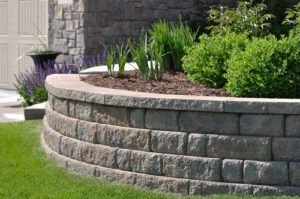
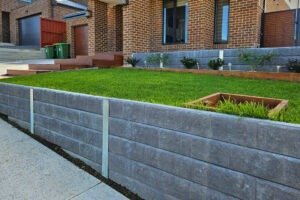
If you already know your block has problem soil or wind exposure, it can be worth pairing your fence with proper retaining or drainage. You can read more about structural support in our guide to retaining wall installation for Perth landscapes before you lock in a fence design.
Cost Considerations: Upfront vs Long Term Investment
When you look at the total spend over the life of the fence, Colorbond often ends up similar to, or cheaper than, timber for Perth homes, even if timber looks friendlier on the initial quote.
Upfront Installation Costs
Colorbond usually feels like the higher upfront investment. You are paying for steel sheets, matching posts and rails, caps, and proper footings. If your block needs retaining or stepped sections, the price can climb further.
Timber often looks cheaper at the start, especially for basic treated softwood and simple paling designs. The catch is that lower material cost can tempt people into lighter posts, shallow concrete, or untreated hardware, which you pay for later in repairs.
If you want a clearer feel for current pricing, you can cross check with a broader guide on fencing cost in Perth before you commit.
Ongoing Maintenance Expenses
Colorbond does not need staining or painting on a regular cycle. Your main costs across its life are light cleaning and the odd repair if a panel is damaged or a post moves. In most Perth yards, that means low, predictable spend.
Timber needs coatings. Paint, stain, or oil all cost money and time, and you repeat that on a regular schedule, especially on faces that cop afternoon sun or constant moisture. You also budget for replacing split or warped boards, loose rails, and rusted fixings.
In Perth, you also factor termite management into the running costs of a timber fence. That can mean treatments, inspections, or both. If you skip it, the “saving” usually shows up later as major repair or full replacement.
Replacement Timelines and Perth Specific Risks
Colorbond tends to hold its structure and appearance well over time if installed properly and kept clear of soil build up. You may replace individual bays due to impact damage, but full line replacement is usually a longer horizon job.
Timber is more sensitive. In Perth’s UV and wind, unmaintained or lightly built timber can age fast. Rot at the base of posts, loosened rails, and termite activity can shorten the useful life and push you into a fresh fence earlier than you expect.
Perth specific costs that often get missed include:
- Termite treatments around timber posts and rails, particularly in known activity zones.
- Weather related repairs after strong easterlies or winter fronts that lean weaker sections.
- Retaining or footing upgrades where sandy or reactive soils need more engineering.
If you want to dig deeper into how Colorbond pricing works across different block types, this guide on Colorbond fencing prices for Perth homeowners will help you sanity check quotes.
Aesthetic Appeal and Customization Options for Perth Homes
When you strip away the technical talk, this is usually the real question. Do you want natural warmth that weathers and changes, or a clean modern line that stays looking almost the same year after year
Color bond, Modern, Clean, Low Visual Fuss
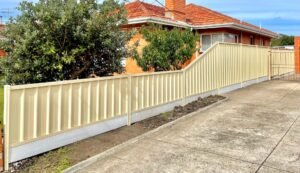
Color bond suits the bulk of current Perth builds, especially single or double storey brick, render, and contemporary designs with straight lines and neutral palettes.
Visual style, Colorbond reads as sleek and consistent. No knots, no gaps, no variation between bays. That can be a blessing on tight suburban blocks where you want the boundary to visually disappear behind the garden or alfresco.
Colour choices, you get a defined palette of pre finished colours. In practice, you work with a shortlist that matches roof sheets, gutters, fascia, and garage doors. Many Perth homeowners go for muted greens, greys, or warm neutrals so the fence supports the house colour rather than shouting over it. If you want help pairing fence colours with your exterior, you can use a guide like Colorbond fencing colours for Perth homes as a starting point.
Design flexibility, the panel layout itself is fairly set, but you can tweak height, add lattice or slat infills on top, and combine Colorbond with materials such as masonry or panel and post retaining. You can also integrate Colorbond gates for a fully coordinated boundary.
Where it looks best in Perth, new estates, infill developments, and renovated properties that lean to modern, coastal, or minimalist styling. If you want the fence to look sharp without demanding attention, Colorbond makes that easy.
Timber, Warm, Textured, Character Driven
Timber instantly softens hard landscaping and suits a lot of older Perth housing stock, especially cottages, character homes, and leafy streets with established gardens.
Visual style, you get grain, texture, and natural variation. That can look great behind planting, decks, and pergolas. Timber works when you want the fence to feel like part of the garden, not a separate boundary line.
Colour choices, with timber you are not locked into one tone. You can clear oil to keep a natural look, stain for richer browns or modern charred tones, or paint to match trims and weatherboards. The trade off, those finishes need refreshing, especially in Perth’s western sun.
Design flexibility, this is where timber opens up. You can choose solid privacy palings, horizontal slats, feature battens, or more open designs that let in light and breeze. You can also combine timber with masonry piers, planter boxes, or screening around alfresco zones. If you like the idea of slatted looks but want lower maintenance and more structure, take a look at options like aluminium slat fencing for Perth homes as a design cousin.
Where it looks best in Perth, established suburbs with big trees, native or coastal style gardens, and homes where you want a more relaxed feel. Timber pairs nicely with decks, pergolas, and feature planting that climbs or spills over the fence.
How To Decide Based On Your Home And Garden
Use this quick filter.
- Choose Colorbond if your home is modern, you like clean lines, and you want the fence to fall into the background with minimal visual maintenance.
- Choose timber if you want character, texture, and a fence that reads as part of your landscaping, and you are realistic about ongoing coating work.
Stand at your alfresco, imagine where your eye lands, and pick the fence style that supports that view rather than fighting with it.
Practical Factors for Perth Homes: Noise, Airflow, Security, and Fire Safety
Once you are past looks and cost, this is where the fence starts to affect how your home actually feels to live in. Noise, breeze, security, and fire risk all play out differently with Colorbond and timber in Perth’s conditions.
Noise: Blocking Neighbours and Wind
Colorbond works like a solid screen. It blocks line of sight, which already reduces how much neighbour noise you notice. The continuous steel surface reflects sound, so you usually feel more private around alfresco areas and side yards on tight suburban blocks. In strong winds, solid panels can drum a little if the fixings are loose, so good framing and occasional checks matter.
Timber depends on the design. A solid paling fence with no gaps can block noise reasonably well, but spacing between boards lets more sound travel. On the upside, timber can sound softer because it absorbs a bit more than steel. If you want a quiet yard, lean toward solid styles rather than decorative slats with big gaps.
What to ask yourself, if you already hear neighbour conversations word for word, a solid Colorbond run often gives the biggest improvement. If noise is moderate and you care more about airflow, a thoughtfully spaced timber design can be enough.
Airflow: Keeping the Breeze Without Losing Privacy
Perth summers are brutal, and a fence can either help or hurt.
Colorbond blocks almost all airflow at fence height. That can feel great in winter when you want shelter from the wind, but it can trap hot air in summer, especially on small paved yards. If your alfresco sits tight on the boundary, combine solid fencing with open balustrades or screens on other sides so the space can still breathe.
Timber gives you more control. You can choose tight palings for full privacy or slatted styles that let breeze and filtered light through. The trade off, more gaps mean more visibility and sound. If you are thinking about mixed materials such as timber screens with steel or masonry, it can be worth looking at options like slat style fencing for similar airflow with lower upkeep.
Perth tip, stand where the sea breeze usually comes across your block. If a solid fence will sit square in that path, consider either a more open timber profile or breaking up long solid runs with screening sections.
Security: Climb Resistance and Sightlines
Colorbond scores well on backyard security. Panels are smooth and hard to grip, there are no footholds, and the top can sit at a consistent legal height. It hides sheds, windows, and outdoor gear from view, which reduces casual interest from the street or laneways. Pair it with a matching, lockable side gate and you have a strong rear boundary. If you go down this path, a dedicated Colorbond gate package such as those in the Colorbond gate range helps keep the security level consistent.
Timber can still be secure, but the details matter. Horizontal rails on the inside give climbing points, and older palings can loosen or split. Slatted designs look great, yet larger gaps can let people see valuable items or weak spots in your yard layout.
Security checklist, aim for minimal footholds, solid latching on gates, and a height that meets local rules while still feeling hard to scale.
Fire Safety: Material Behaviour in High Heat
Perth has pockets of higher fire risk, and boundary fences sit in that equation.
Colorbond is made from non combustible steel. It will heat, and the coating can be affected in extreme conditions, but the material itself does not act as fuel. That can help slow the spread of surface fire along a boundary compared with combustible materials.
Timber is a fuel source. Dry boards, leaf litter at the base, and timber rails can support flame spread. If you choose timber in a fire prone area, keep vegetation off the fence, clean out built up debris, and stay on top of any local fire planning guidelines that apply to your property.
Bottom line, if fire behaviour is on your mind at all, steel fencing puts you in a safer position than a fully timber boundary, especially where fences run close to structures or garden beds packed with dry fuel.
Frequently Asked Questions About Colorbond vs Timber Fencing in Perth
How long will a Colorbond or timber fence last in Perth?
How long will a Colorbond or timber fence last in Perth?
Lifespan in Perth comes down to three things, material quality, installation, and how well you look after it.
Colorbond usually keeps its structure and finish for a long service life when the posts are deep enough, the panels stay clear of soil, and you give it basic care.
Timber can still last well, but only if you choose properly treated timber, keep up with coatings, and stay on top of rot and termite checks. Unmaintained timber ages much faster in Perth’s UV and wind.
If you want a deeper breakdown, there is a dedicated guide on Colorbond fencing vs traditional timber fencing that walks through longevity in more detail.
How often will I need to maintain each fence type?
Colorbond maintenance is light. Expect periodic wash downs to remove dust and coastal grime, and occasional checks of screws, caps, and any spots that sit close to soil or garden beds.
Timber needs a more regular routine. You will recoat paint, stain, or oil on a repeating cycle, especially on sun exposed faces. You also inspect for loose palings, cracked boards, rot at the base of posts, and any termite activity.
A simple rule, if you prefer quick, low frequency jobs, Colorbond fits better. If you enjoy regular DIY upkeep, timber is manageable.
Which fence is better for my property value in Perth?
Buyers tend to care about three things, privacy, condition, and how well the fence matches the home.
Colorbond in good condition reads as low maintenance and secure, which many Perth buyers appreciate, especially in denser suburbs.
Timber can add appeal where it suits the style of the home and garden, but tired, peeling, or leaning timber will drag value down faster than a clean Colorbond boundary.
The best move is a fence that looks solid, straight, and intentional, not something that feels temporary or half finished.
Can I DIY install a Colorbond or timber fence in Perth?
Yes, both can be DIY projects, but they suit different skill levels.
Colorbond needs accurate post spacing, correct footing depth, and careful handling of panels. If you are comfortable with string lines, levels, and concrete, you can tackle shorter runs. Long shared boundaries or sloping, sandy blocks are usually better in professional hands.
Timber feels more forgiving for small sections or gates, but a full boundary still needs correct post sizes, treatment, and bracing, or it will lean and warp.
If you are on the fence about DIY vs pro installation, this guide on choosing the right Colorbond fence company will help you decide when to call in a crew.
What council rules do I need to think about for fencing in Perth?
Local rules usually cover things like maximum height, how close you can build to boundaries, and any special conditions near driveways, corners, or pools.
Common points to check are, boundary fence height limits, extra rules for front fences, and how costs and approvals work when you share a fence with neighbours.
Regulations change between councils, so always confirm with your local authority before you start. For more height related detail, many Perth homeowners find guides such as fence height regulations for Perth homeowners a helpful starting point.
Which option is better for the environment?
Both can be reasonable choices if you install them once and keep them going for a long time.
Colorbond uses recyclable steel, so its impact ties to how it is manufactured, transported, and how long it stays in service before you recycle it.
Timber is a renewable material, but you need to factor in how it is sourced, what treatments are used, and how often you replace it in Perth’s climate. More frequent replacement means more timber, coatings, and hardware over the life of the property.
If environmental impact matters to you, focus on quality materials, good installation, and a design that will not need constant replacement or reworking.
Are warranties different for Colorbond and timber fences?
Yes, they usually are, and the fine print matters.
Colorbond products often come with manufacturer warranties on the steel and coating, along with separate workmanship cover from the installer. These warranties usually rely on correct installation and basic care, such as keeping soil away from the bottom rails.
Timber warranties tend to focus on treatment against rot and insect attack, within certain conditions. Installers may also offer separate workmanship guarantees on framing and installation.
Before you sign anything, ask for, written details of product warranties, what voids them, and how long the installer stands behind their work. A solid fence plus clear paperwork will save you headaches if something goes wrong later.