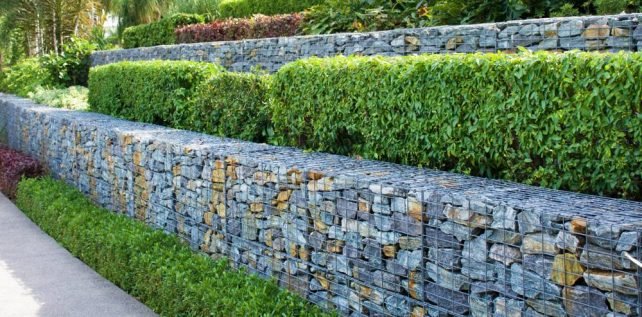
Retaining walls are one of those things you do not really notice until you need one. Then they suddenly become very important, very quickly.
If you own property in Perth, whether it is your family home, a new development, or a commercial site, understanding retaining walls and what they actually cost is not optional. It is part of protecting your investment, keeping your site safe, and making the most of every square metre you own.
What Is A Retaining Wall, Really?
A retaining wall is a structure that holds back soil on one side so you can create a level, usable area on the other. In simple terms, it stops the ground from moving where you do not want it to move.
That can mean:
- Holding a garden bed or raised area in place
- Preventing a sloping yard from sliding or eroding
- Supporting a cut taken out for a driveway, carpark, or building pad
- Keeping soil away from a fence line or boundary
Unlike a basic garden edge, a proper retaining wall deals with real pressure from soil and water. It has to be engineered, correctly drained, and built from materials that can cope with Perth’s conditions for the long term. If it fails, you are not just looking at a cosmetic issue, you are looking at potential structural damage, safety risks, and a very expensive fix.
If you want a deeper breakdown of the build side of things, you can later pair this cost guide with a practical installation resource like the retaining wall installation guide for landscapes.
Why Retaining Walls Matter So Much In Perth
Perth’s terrain is rarely perfectly flat
Across Perth and the surrounding suburbs, a lot of blocks are cut into slopes or benched to create building platforms. That means you often get different ground levels on:
- Front yards and driveways
- Back yards and pool areas
- Side boundaries between neighbouring homes
- Commercial and industrial hardstands and carparks
Every change in level is a potential spot where soil wants to move downhill. A retaining wall controls that movement so you can safely build fences, pave, plant gardens, or park vehicles right next to that change in height.
Perth’s climate is tougher on retaining walls than you think
Perth gives you a mix that retaining walls have to survive for a long time. Hot, dry summers with strong sun and periods of extended dryness, followed by winter rain that can be heavy when it arrives.
Those conditions affect:
- Soil movement, as ground expands with moisture and tightens when it dries
- Drainage performance, because poor drainage behind a wall can turn wet seasons into a serious structural risk
- Material durability, since some materials handle heat, moisture and time far better than others
This is where a lot of the cost story starts. The cheapest option on paper can be the most expensive one once Perth’s climate has a few years to work on it.
Why Retaining Wall Cost Is So Important To Understand
Retaining walls are not set and forget line items. They sit right on the line between landscaping, structural work, and compliance. If you underestimate the true cost or cut the wrong corners, you pay for it in three ways, money, time, and risk.
For homeowners
If you are a homeowner, you are usually looking at retaining walls to:
- Create a level lawn or play area for kids
- Shape garden beds and outdoor entertaining zones
- Hold up a fence or boundary near a slope
- Work with pool areas, paths, and patios
You care about privacy, security, and low maintenance. A retaining wall that fails can crack paving, lean into a fence, or cause pooling water near your home. That translates into repairs, insurance headaches, and a lot of weekend time wasted.
Understanding cost helps you answer questions like:
- Which material will actually last in my yard without constant maintenance
- Where can I save money without creating a future problem
- When does it make sense to step up to a higher grade product or engineered design
For property developers and builders
If you are working on grouped housing, new estates, or unit developments, retaining walls affect:
- Site cuts and level design
- Driveway gradients and parking layouts
- Boundary interfaces and staging of construction
- Compliance with engineering and council conditions
Here, cost is not just about material and labour. It is about speed, repeatability, and risk management. A miscalculated retaining budget can chew through margins. A non compliant wall can slow titles, hold up handover, or even require demolition and rebuild.
Knowing the typical cost drivers up front means you can:
- Choose systems that scale for bulk work
- Align wall design with your construction sequence
- Avoid budget shocks when the first quote comes back
For commercial and industrial property owners
On commercial and industrial sites, retaining walls often sit under or beside:
- Carparks and vehicle access points
- Loading bays and storage yards
- Security fencing and garrison or chainmesh barriers
- Public access paths and landscaped entries
Here, you care most about safety, compliance, and low disruption. Failure can impact traffic flow, create hazards for staff and visitors, or damage nearby structures. A compliant, robust retaining solution is part of your broader security and risk management approach, right alongside your security fencing and gates.
Cost clarity lets you plan works around operational requirements, choose the right level of engineering, and avoid future liability.
Cost Is Not Just “Price Per Metre”
When people ask, “How much does a retaining wall cost in Perth”, they are usually hoping for a quick price per metre. In reality, that number is only one piece of the puzzle.
The real cost of a retaining wall includes:
- The material you choose and how it copes with Perth conditions
- The height and length of the wall, and what it is retaining
- Soil type, access, drainage, and any required engineering
- Council and regulatory requirements specific to your site
- Future maintenance, repairs, or upgrades
This guide will walk through each of those factors so you can look at a retaining wall quote and know exactly where the money is going, what is worth paying for, and what is not.
The goal is simple. Help you make clear, confident decisions about retaining walls on your Perth property so you get a stable, attractive, compliant result that does not cost you double in a few years’ time.
Who Really Needs Retaining Walls In Perth?
A lot of people assume retaining walls are only for steep, tricky blocks. In Perth, that is rarely true. If your site has any sort of level change, a boundary near a drop, or plans for serious landscaping, you are in retaining wall territory whether you have realised it yet or not.
Let us break it down by who you are and what you actually need the wall to do. The cost conversation only makes sense when it is tied to a real outcome, not just a line on a quote.
Perth Homeowners, Backyards, Privacy And Livability
If you own a house in Perth, you are probably juggling three things in your outdoor areas, privacy, safety, and a yard that looks good without chewing up every spare weekend.
Retaining walls come into play when you want to:
- Create usable flat areas on a sloping block, so you can have a lawn, play zone, or entertaining area that does not feel like a hill climb
- Support a fence on a boundary where your neighbour’s level is higher or lower than yours
- Shape garden beds or terraces so the yard looks intentional, not like the builder just left a pile of soil
- Work in with pool areas, paths, and patios without water or soil washing where it should not
Typical homeowner pain points with retaining walls include:
- Durability worry, you do not want something that looks tired, leans, or cracks after a few seasons
- Maintenance stress, anything that needs constant repainting, patching, or drainage fixes is a headache
- Boundary headaches, where does your responsibility stop and your neighbour’s start, and who pays what
- Visual impact, you want the wall, garden, and fencing to work together, not fight each other
If you are the kind of homeowner who already cares about low maintenance fencing, like Colorbond fence installation or aluminium slat solutions, the same thinking applies to retaining walls. Spend once on the right system and you avoid the ongoing drip of fixes and replacements.
For you, understanding cost is about matching the wall type to how you use the space. Lightweight materials might feel cheaper, but if kids will be kicking balls into it, there is a fence on top, or you have vehicles nearby, you need to budget for something that can genuinely handle the load.
Property Developers And Builders, Efficiency, Scale And Compliance
If you are delivering townhouses, grouped dwellings, or larger developments, retaining walls stop being a one off garden feature. They become civil infrastructure that quietly shapes your whole site layout.
Retaining walls on development sites affect:
- Earthworks and levels, how you bench blocks, set driveway gradients, and achieve accessible entries
- Staging, what can be built when, and how you safely manage drop offs between finished and unfinished lots
- Boundary coordination, shared walls, fence support, and long straight runs that need to look consistent
- Engineering sign off, meeting geotech and structural requirements so you can progress titles and occupancy
Your main headaches usually sit around:
- Budget blowouts, where provisional sums for retaining get smashed once real site conditions show up
- Program delays, when retaining is not sequenced properly and holds up fencing, driveways, or final levels
- Inconsistent systems, mixing wall types that age differently or need different maintenance regimes
- Council and engineering conditions, especially for higher walls and boundaries near other structures
For developers and builders, cost understanding is more about systems than one off choices. Things like panel and post retaining, modular block walls, or engineered sleeper systems can be repeated quickly, priced predictably, and installed in stages that match your build program.
If your projects already use consistent fencing specifications, such as standardised Colorbond colours or garrison fencing for common areas, it usually pays to treat retaining the same way. One engineered wall system, one supplier relationship, fewer headaches when something needs to be checked, repaired, or repeated on the next stage.
Commercial And Industrial Owners, Security, Safety And Compliance
If you manage or own commercial, retail, or industrial sites, you look at retaining walls through a different lens. It is less about pretty gardens and more about safe vehicle movement, asset protection, and compliance.
Typical retaining locations on these sites include:
- Carpark perimeters and internal level changes
- Loading bays and delivery access points
- Storage yards with different slab or ground levels
- Public access paths and landscaped entries that fall away from buildings
Your key concerns tend to be:
- Structural reliability, a failed wall near a driveway or loading area can shut down operations and pose serious risk
- Integration with security, most walls need to carry fencing, gates, or barriers, especially on the boundary
- Regulatory exposure, if a wall is not compliant and something goes wrong, liability can bite hard
- Operational disruption, you want upgrades or new works done with minimal downtime and clear staging
Cost, for commercial owners, is not just the build bill. It is the cost of any downtime if a wall fails, the risk of damage to pavements, structures, or stock, and the cost of retrofitting drainage or reinforcement because the original installation cut corners.
In many cases, retaining walls work directly with high security fencing, such as garrison or chainmesh. That means the wall design and budget need to account for fence posts, loads from people or vehicles leaning or pushing on the fence, and any access control equipment on gates nearby.
How To Know If A Retaining Wall Should Be On Your Radar
If you are not sure whether you actually need a retaining wall, run through this quick checklist. If you answer “yes” to any of the following, you should at least get advice and a cost estimate.
- Do you have a visible difference in ground level of more than [insert height] between two areas you plan to use or build near
- Does a fence currently sit near a drop off or sloped area that shows signs of movement, like leaning posts, gaps, or cracked footings
- Are you planning new paving, a pool, a shed, or a carport beside a slope or filled area
- Have you noticed water pooling, washing out soil, or eroding a bank after heavy rain
- Does your development or building design rely on cut or fill that changes ground levels near boundaries or structures
If any of those ring true, retaining walls are not just a nice upgrade. They are part of keeping your property safe, compliant, and functional.
You deserve more than a guess. Once you know you are in the “yes” zone, the next step is to get clear on which wall types suit your site and what really drives cost on Perth projects. That is where the material choice, wall dimensions, and site conditions start to matter, and where smart planning can save you serious money over the life of the wall.
Key Factors That Influence Retaining Wall Cost In Perth
If you want a retaining wall quote that actually makes sense, you need to understand what is hiding behind the dollar figure. Retaining walls are not all built the same, and in Perth, a few specific factors have a big impact on the final cost and how long the wall will last.
1. Material Choice, Concrete, Timber, Stone, Brick And Modular Blocks
The material you pick is one of the biggest cost drivers, both upfront and over the life of the wall.
Concrete (panel and post systems, sleepers, poured concrete) is popular in Perth because it handles heat, moisture changes, and heavy loading very well. It suits taller walls, boundaries that need to support fencing, and high traffic areas like driveways and carparks.
Timber can look warm and natural but does not love Perth’s combination of hot sun and winter moisture. Even treated timber will need more monitoring, more maintenance, and eventually replacement. The upfront cost can feel appealing, but you need to factor in the lifespan and what it will cost to rebuild later.
Stone and masonry (limestone blocks, natural stone, brick) give a solid, premium look. They are often used where aesthetics matter as much as function, such as front boundaries or commercial entries. They usually need good foundations, careful installation, and proper drainage, which pushes labour and engineering costs up.
Modular block systems use interlocking blocks designed for retaining. They can be efficient for medium height residential walls and can be stepped or curved. The blocks themselves, the required base, and any geogrid or reinforcement behind them all influence cost.
When you compare material options, always look at three things together.
- Upfront supply and install cost
- Expected lifespan in Perth conditions
- Maintenance load such as sealing, repainting, or replacement of components
If you already lean toward low maintenance choices for fencing, such as aluminium slats or Colorbond, you will likely be happier with retaining materials that follow the same logic.
2. Wall Height And Length
Height and length are straightforward but very powerful cost levers.
Height affects:
- How much pressure the wall must hold back
- Whether an engineer needs to design or certify it
- Footing size, reinforcement levels, and post sizes
- What your local council will and will not approve without detailed drawings
Once a wall passes certain height triggers, you move out of “simple landscaping” territory and into structural work that must be engineered and built to a higher standard. That adds cost, but it also protects you from failure and compliance headaches.
Length influences cost through:
- Total material volume and labour hours
- How much excavation is required
- How much drainage infrastructure is needed behind the wall
Longer walls can sometimes be more efficient per metre because set up and mobilisation are spread over more length, but the total spend still climbs quickly. For developers and commercial owners, long boundary walls and estate retaining are often where budgets start to stretch, so accurate measurement and design early on are important.
3. Site Conditions, Soil, Slope And Access
Two walls that look similar on a plan can cost very different amounts once you see the ground you are working with.
Soil type affects how the wall is designed and built. Some soils drain freely, some hold water, some move and shrink in heat. Poor or reactive soils often need deeper footings, larger posts, more drainage, or even geotechnical input, and that flows straight into cost.
Slope behind or in front of the wall dictates how the retained load behaves and how you can physically build the wall. Steeper slopes can require stepping in the design, extra excavation, or temporary support so you can safely get the wall in before the soil is fully stabilised.
Access is where many homeowners and smaller commercial sites get a surprise. If machinery and trucks can reach the work area easily, excavation and material handling are faster and cheaper. If everything has to go through a narrow side passage, up or down stairs, or under existing structures, labour time increases and some equipment cannot be used. That slower process adds cost.
On multi dwelling or commercial projects, access planning for retaining is tied closely to the overall construction program. If you install walls at the right point in the sequence, you avoid double handling soil, damage to finished surfaces, and unexpected hire costs.
4. Drainage And Water Management
Drainage is one of the least visible parts of a retaining wall, but in Perth’s climate it is one of the most important cost items for long term performance.
Behind every proper retaining wall there should be a considered drainage plan. That usually includes some combination of:
- Gravel or drainage aggregate behind the wall
- Ag pipes or similar perforated drains at the base
- Weep holes or outlets to let water escape
- Surface drainage above the wall to keep stormwater away
If drainage is skimped on, water pressure builds behind the wall during winter rain. That extra load can cause bowing, cracking, or outright failure. It can also drive water where you do not want it, such as under slabs or into neighbouring properties.
You can find more detailed drainage ideas in resources like the dedicated retaining wall drainage guide for Perth owners, but the key point for cost planning is simple. Proper drainage is not “nice to have”, it is part of the wall’s structural system and it needs a real budget line.
5. Design Complexity And Finish Level
Not every retaining wall is a straight, single height run at the back of a yard. The more design features you introduce, the more the cost shifts.
Factors that increase complexity include:
- Curved or angled walls instead of straight lines
- Stepped levels or terraced retaining that creates multiple smaller walls
- Integrated stairs, planters, seating, or lighting
- Facing materials, capping, or textured finishes for a higher end visual result
For homeowners and commercial sites that prioritise street appeal and branding, those aesthetic choices often make sense. They just need to be priced in from day one so you are not trying to bolt decorative features onto a bare structural wall later, which usually costs more and looks worse.
6. Council Requirements And Engineering
Local council rules and Australian Standards shape how a wall must be designed, especially once it reaches certain heights or sits near boundaries, structures, or public areas.
Cost impacts from compliance include:
- Engineering design and certification fees
- Larger footings, thicker panels, or stronger posts than a basic wall would use
- Specific construction methods and inspections so the wall matches the approved design
- Possible need for barriers or fencing on top of higher walls to manage fall risks
For developers and commercial owners, non compliance can become very expensive. You might face delays in approvals, demands to modify or replace walls, or issues with insurance if something goes wrong. Getting clear advice on the regulatory side before you lock in a design avoids surprises later.
If you want a focused look at how cost and rules interact, there is a dedicated resource on retaining wall costs and council regulations in Perth that pairs well with this section.
7. Perth’s Climate And Long Term Durability
Perth’s climate puts unique pressure on retaining walls. Hot summers, high UV, and then concentrated winter rain cycles create repeated expansion and contraction in both soil and materials.
This affects cost in two main ways.
- Material selection, some materials cope far better with UV exposure and thermal movement. Others degrade, fade, crack, or rot sooner, which means more maintenance, repairs, or full replacement.
- Construction detailing, things like control joints, correct backfill, and well planned drainage become more important in Perth. Quality contractors allow for those details in their price. Very cheap quotes often do not.
When you look at the number on a retaining quote, always ask yourself one question. How will this wall look and perform after it has been through multiple Perth summers and winters. The answer to that question matters more than shaving a small amount off the initial price per metre.
Popular Retaining Wall Materials In Perth And What They Mean For Cost
Choosing the right retaining wall material in Perth is not just a style decision. It decides how much you pay upfront, how often you have to think about it in future, and how well it handles our heat, sun, and winter rain.
Let us break down the main materials you will see quoted in Perth, what they actually deliver, and how they tend to behave on cost over the full life of the wall.
Concrete Retaining Walls
Concrete is the workhorse material for Perth retaining walls. It comes in a few main formats, such as:
- Panel and post systems
- Concrete sleepers
- Poured in situ concrete walls
Pros
- High durability, concrete handles Perth’s UV, heat, and moisture swings very well when installed correctly.
- Strong enough for taller walls, ideal if you are dealing with significant level changes or supporting fencing, driveways, or carparks.
- Low maintenance, no painting, no rot, no warping, minimal touch ups.
- Good for boundary work, especially where you are pairing the wall with Colorbond or garrison fencing for security.
Cons
- Can look “plain” if you do not add texture, colour, or capping.
- Heavier components, so you need reasonable site access for machinery.
- Upfront cost is often higher than basic timber for the same height, especially once you factor in engineering for taller walls.
Cost implications
Concrete usually sits in the middle to upper range on upfront cost, depending on height, engineering, and finish level. Where it makes sense for Perth is in long term value. The lifespan is typically much longer than timber, and maintenance is almost zero if drainage is done properly.
For homeowners who already prefer low maintenance fencing, or developers who want a repeatable system, concrete is often the most cost effective choice over the life of the property. If you want to dig deeper into one of the most efficient formats, panel and post systems are covered in detail here, in the dedicated guide on panel and post retaining walls.
Timber Retaining Walls
Timber retaining walls attract people who like a natural, warm look and a lower upfront number on the quote.
Pros
- Appealing natural aesthetic, blends well with gardens and landscaping.
- Lower upfront material cost for smaller residential walls.
- Good for simple, low walls in non critical areas, such as small garden terraces.
Cons
- Shorter lifespan in Perth’s climate, even when treated, timber does not love constant sun, dry periods, and wet winters.
- Higher maintenance, you need to monitor for rot, warping, splitting, and termite activity.
- Not ideal for high loads or where you need serious structural performance.
- Can look tired or uneven after repeated weather cycles.
Cost implications
On paper, timber often looks like the cheapest option to install for small walls. The true cost shows up later in replacement, repairs, and potential damage if it fails. If you are planning to stay in your home for a long time, or you are building something that must last for future owners, timber can easily end up the most expensive choice on a total life basis.
For developers and commercial owners, timber usually does not stack up as a long term, low risk solution. The risk profile and maintenance overhead do not align well with compliance and asset protection goals.
Limestone And Other Block Masonry Walls
Limestone is very common around Perth, along with other masonry blocks and brick retaining. These materials tend to be used where visual impact matters, especially on front boundaries or high profile commercial fronts.
Pros
- Strong visual appeal, limestone and masonry can give a premium, coastal or architectural look.
- Good compressive strength, suitable for substantial level changes when properly engineered.
- Can be integrated with steps, planters, and landscaping for a more “built in” design.
Cons
- Higher labour content, blocks are heavier and slower to place, and footings often need more preparation.
- Needs accurate drainage, masonry does not like sitting in constantly wet conditions, and poor drainage can cause staining or structural issues.
- Can be overkill for simple, hidden walls in back corners of a property.
Cost implications
Masonry walls usually sit at the higher end of the upfront cost range because of the combined footprint of engineering, labour, and materials. They make sense where street appeal, branding, or a particular architectural style is part of the brief, or where councils prefer a masonry look on visible frontages.
From a long term view, a properly built limestone or block wall can perform very well in Perth, but the initial investment is noticeably higher than many concrete systems, especially for larger projects or long runs.
Modular Block Retaining Systems
Modular retaining systems use interlocking concrete or masonry blocks that stack together. You often see them in terraced gardens and medium height walls on residential sites.
Pros
- Flexible design, good for curves, stepped walls, and terraces.
- Neat, consistent appearance, with a range of textures and colours.
- Scalable, works well from small garden terraces through to larger residential boundaries, as long as engineering guidelines are followed.
Cons
- Drainage is critical, poor backfill and drainage can cause movement, bulging, or staining.
- Reinforcement needed for taller walls, often with geogrid or extended footing zones that increase excavation requirements.
- Installation quality varies a lot, which affects both performance and real cost over time.
Cost implications
Modular block systems usually sit in a mid range on upfront cost per metre for small to medium walls. Complexity, such as curves, steps, and terraces, can push labour time up. Taller walls that require geogrid and extended reinforcement zones quickly move into higher cost territory, both in materials and labour.
For homeowners, modular blocks can be a good fit where aesthetics and flexible layout matter. For developers, they can work in targeted areas but often do not match the speed and scale advantages of panel and post or sleeper based systems for long, straight runs.
Steel And Composite Sleeper Systems
Alongside raw concrete, you will also see reinforced sleepers, including composite and engineered options such as proprietary sleeper systems. These often combine a structural core with protective coatings or surface finishes.
Pros
- High strength in a compact profile, good for tight sites where you cannot spare wide footing zones.
- Durable coatings designed to handle corrosion and UV exposure.
- Neat, modern look that pairs well with contemporary fencing and architecture.
Cons
- Upfront material cost can be higher than basic concrete in some configurations.
- Often requires licensed or experienced installers familiar with the specific product system.
Cost implications
Engineered sleeper systems tend to sit at the mid to higher end for initial outlay. However, they are designed to deliver long service life with very low maintenance, which suits both busy homeowners and commercial or industrial sites that do not want ongoing attention on retaining structures.
If you are curious about a specific sleeper product used in Perth, you can explore more under the dedicated Alumawall sleepers resource. It will give you a sense of how these engineered systems are built to handle local conditions.
How To Weigh Cost, Durability And Sustainability
If you want a simple framework for comparing materials without getting lost in product brochures, use this checklist for each option you are considering.
- Upfront installed cost per metre for your required height and site conditions.
- Expected service life in Perth’s climate, with a realistic view on UV, heat, and moisture cycles.
- Maintenance profile, what you will have to do every [insert period] to keep it safe and presentable.
- Structural performance, whether it can safely carry fencing, gates, traffic loads, or public access areas nearby.
- Visual fit with your fencing, building style, and landscape design.
- Environmental footprint, including replacement frequency. A wall that needs rebuilding multiple times is rarely the greener option, even if the material looks “natural”.
Here is the bottom line. In Perth, the cheapest retaining wall material on day one is rarely the cheapest choice over the full life of the property. Concrete based systems, masonry, and engineered sleepers usually win on durability and low maintenance. Timber can suit very small, non critical areas where short lifespan is acceptable, but it struggles to match the long term value that homeowners, developers, and commercial owners now expect from their retaining investments.
Installation Costs And What To Expect
Once you have chosen a retaining wall material and a rough layout, the next big piece of the cost puzzle is installation. This is where many Perth property owners get caught out. The wall itself might look simple, but the work that happens before and around it is what protects your budget and your property.
Let us walk through the typical installation process, where the money actually goes, and how a good contractor can save you far more than they cost.
1. Site Inspection And Planning
Every proper retaining job starts with a site visit. This is where a contractor checks the things you cannot see on a simple sketch.
- Existing levels and how much cut or fill is needed
- Soil type and any obvious drainage issues
- Access for machinery and delivery vehicles
- Nearby structures, fences, and services
- Where stormwater and surface water currently flow
Cost impact: A thorough site assessment helps avoid surprises later, such as hitting rock, discovering poor soil, or realising there is no way to get an excavator into the yard. It adds a small amount of time upfront, but it usually saves a large amount of money and stress later.
For developers and commercial owners, this planning stage also ties into construction sequencing. Getting retaining walls in at the right stage can prevent you from paying twice for earthworks or damaging finished surfaces with late access.
2. Permits, Engineering And Council Approvals
Before anyone starts digging, you need to know whether your wall requires:
- Engineering design or certification
- Council approval or building permit
- Specific setbacks from boundaries or structures
- Integration with fencing or safety barriers
Cost impact: Approval and engineering fees can feel like dead money, but they are part of building a legal, insurable structure. On higher walls, shared boundaries, or commercial sites, skipping this step can lead to orders to modify or demolish non compliant work. That is where people end up paying for the same wall twice.
Good retaining wall contractors in Perth will tell you early if your design triggers engineering or approvals. Many work with regular engineers and can handle this stage for you, which keeps the process smoother and lowers the risk of something falling through the cracks.
3. Site Preparation And Excavation
Proper preparation is often the biggest piece of the physical work and one of the key contributors to cost.
Typical site prep tasks include:
- Stripping vegetation and organic material from the wall line
- Excavating for footings, posts, or base courses
- Cutting or trimming banks to the correct angle and height
- Stockpiling or removing spoil from site
- Protecting existing structures, paving, or features nearby
Access and soil type drive cost here. Easy access with firm, workable soil means faster excavation and fewer machine hours. Tight access, steep slopes, heavy clay, or rock all increase time and can mean smaller machines, more manual labour, and higher removal costs for spoil.
For developers and builders, earthworks and retaining should be planned together. If your retaining design is locked in early, you can use the same machines and crews for both, which usually improves cost efficiency.
4. Footings, Posts And Structural Setup
Once the trench or footing zone is prepared, the structural elements go in. For most Perth retaining walls, that means some combination of:
- Concrete footings for masonry or block walls
- Steel posts set in concrete for panel and post or sleeper systems
- Base courses or levelling pads for modular blocks
- Reinforcing steel or mesh where required by engineering
Cost impact: This is the part of the job that decides whether the wall will stay straight and solid for the long term. Deeper footings, larger posts, and extra reinforcement all have a cost, but they are usually specified for a reason. Perth’s soil movement and water pressure in winter are unforgiving if the structure is marginal.
Be wary of quotes that look much cheaper simply because they use smaller posts, shallower holes, or minimal reinforcement where engineering or good practice suggests more. Savings at this stage often come back later as movement, cracking, and early failure.
5. Drainage Installation And Backfill
As the wall structure is built, a competent installer will also set up drainage. This usually involves:
- Placing drainage aggregate behind the wall
- Laying ag pipe or similar at the base and connecting it to a suitable outlet
- Installing weep holes or outlets if the design requires them
- Backfilling in layers and compacting carefully to avoid future settlement
Cost impact: Drainage materials themselves are not usually the most expensive part of the job, but the labour to install them correctly is a real line item. Cutting corners here often leads to water pressure, staining, and structural movement, which are much more expensive to fix later.
Homeowners and commercial owners alike should treat drainage as part of the structure, not an optional extra. If a quote glosses over how they will manage water, ask very direct questions before you sign anything.
6. Wall Construction, Panels, Blocks Or Sleeper Placement
With the foundation and drainage set, the visible part of the wall goes in.
- Concrete panels or sleepers are slotted into posts
- Masonry or limestone blocks are laid course by course
- Modular retaining blocks are stacked and aligned
- Any required geogrid or reinforcement layers are tied back into the soil
Cost impact: This is where labour efficiency really matters. Experienced crews work quickly, keep everything level and straight, and avoid rework. Inexperienced installers move slower and often have to pull sections apart to fix mistakes, which either increases your bill or encourages shortcuts.
For long runs on developer or commercial sites, using a standardised, engineered wall system can save significant labour cost compared to more intricate or bespoke designs. Systems like panel and post retaining are popular across Perth for that reason.
7. Finishing Touches And Integration
The last stage is where your wall starts looking finished, not like a construction site. Finishing work can include:
- Capping, render, or surface finishes on masonry
- Painting or protective coatings where specified
- Topsoil and basic landscaping to blend the wall into the yard
- Installing fencing on top of the wall
- Steps, edging, or small paving sections that tie into the wall
Cost impact: The more integrated you want the final result to be, the more labour and materials you need to allow for. Homeowners often underestimate this stage because they focus on “price per metre of wall” rather than the full scope needed to make the area usable and attractive.
If you already know you want new fencing to sit on top of the wall, such as Colorbond fencing or aluminium slats, it usually pays to have the same contractor handle both. This avoids misalignment, messy junctions, and arguments about who is responsible if something moves later.
Where Your Money Actually Goes On Installation
If you strip a retaining wall quote back to its components, the installation cost usually falls into these buckets.
- Labour, the time for skilled and general workers to dig, pour, lay, and finish
- Machinery and equipment hire, excavators, skid steers, compactors, drills, and concrete tools
- Materials beyond the wall blocks or panels, concrete, steel, drainage aggregate, pipes, geogrid, capping
- Cartage and disposal, moving materials in and spoil out, including tip fees
- Compliance costs, engineering, permits, inspections where required
When you compare quotes, look for how clearly these components are explained. Vague, one line quotes make it very hard to compare apples with apples and are often a sign that important details have not been fully thought through.
Why Professional Installation Changes Both Cost And Quality
On paper, doing parts of a retaining wall yourself can look cheaper. In practice, DIY or very cheap installation often shows up later as:
- Walls that lean, bow, or crack within a short period
- Drainage failures that cause water problems around your home or building
- Non compliant work that causes issues with neighbours, council, or insurers
- Higher fencing costs later because the wall cannot properly support it
A good Perth retaining wall contractor protects you from all of that. They bring:
- Correct excavation and footing sizes for local soil types
- Experience with Perth’s drainage and climate conditions
- Knowledge of typical council triggers and engineering requirements
- Efficient installation methods that keep labour hours under control
- Warranty and a clear point of contact if something needs attention later
For developers and commercial property owners, professional installation also reduces project risk. You are less likely to face delays at sign off, arguments with neighbouring owners, or disruption to operations because of a structural failure.
How To Choose A Qualified Retaining Wall Contractor In Perth
If you want a simple checklist to assess installers, use these points.
- Licensing and insurance, confirm they are properly licensed for structural work and carry current public liability insurance.
- Specific retaining experience, ask what wall systems they build most often and which areas of Perth they know best.
- Clear, itemised quotes, look for breakdowns of materials, labour, excavation, drainage, and any approvals.
- Engineering and council knowledge, ask who handles engineering, what standards they work to, and how they manage approvals.
- Integration with fencing, if you need fencing on top, choose a contractor that does both, or coordinates closely with your fencing installer. You can review options through a specialist provider like Stag Fencing’s retaining wall installation service.
- Timeline and scheduling, confirm start dates, estimated duration, and how they stage works to minimise disruption.
If an installer cannot answer direct questions about soil, drainage, engineering, and council rules, or if the quote looks light on those items, treat that as a warning sign. The cheapest line item today can easily become the most expensive problem on your property in a few seasons.
The bottom line on installation costs: the structure below and behind your retaining wall is where most of the value sits. When it is planned and built properly, you get a stable, compliant wall that quietly does its job for a very long time. That is the kind of “boring” you want in a retaining wall, and it is worth paying a fair rate for professional installation to get it.
Additional Costs And Considerations You Cannot Ignore
Once you have wrapped your head around material and installation costs, there is another layer that catches a lot of Perth property owners out. The extras. Drainage, reinforcement, landscaping, and long term maintenance. They are not always front and centre on a quote, but they have a real impact on what you actually spend over the life of the wall.
If you budget only for “wall per metre” and skip these, you either cop surprise variations, or you end up with a wall that looks finished on day one but starts causing problems a couple of winters later.
Drainage Systems, The Hidden Cost That Saves Your Wall
Water is the number one enemy of retaining walls in Perth. Our winters might not be endless, but when the rain hits, it hits hard. If water cannot move freely away from behind your wall, the pressure builds, and something has to give.
Proper drainage usually includes a few key components.
- Drainage aggregate behind the wall, often a graded gravel that lets water pass through easily instead of soaking into soil and sitting there.
- Subsoil drainage pipe (such as an ag pipe) at the base of the wall, wrapped or set in aggregate and graded to fall toward an outlet.
- Weep holes or outlets through the wall, especially in masonry or solid systems, so trapped water can escape.
- Surface drainage management above the wall, to stop roof or hardstand run off dumping straight into the retained zone.
How this affects cost
- You pay for materials, aggregate, pipe, and fittings.
- You pay for extra excavation and backfilling time.
- You may need connections into existing stormwater systems on larger sites.
Some cheap quotes quietly skip robust drainage. They might throw in a token pipe and a bit of gravel, but no serious thought goes into how water will actually move. That can look fine on a quote, but you pay for it when the wall starts to bow or stain.
When you compare prices, look for a specific line for drainage or a clear description of what is included. If it is not there, assume you are either going to pay for it as a variation, or the installer is planning to leave it out.
Reinforcement For Slope Stabilisation And Higher Loads
Not every retaining wall is holding back a simple garden bed. In Perth, plenty of walls are dealing with steep batters, fill, driveways, carparks, or structures nearby. Those conditions change the engineering and the reinforcement requirements.
Reinforcement can show up in a few ways.
- Deeper and wider footings with more concrete and steel to resist sliding and overturning.
- Heavier posts and panels in panel and post systems, especially for taller walls or where fencing is attached.
- Geogrid or soil reinforcement behind modular block walls, which ties the wall face into a wider mass of soil.
- Extra structural detailing near corners, steps, or changes in height where pressure concentrates.
Where this hits your budget
- More concrete, steel, and specialty materials.
- Extra excavation depth and width.
- Longer install times to place and tie reinforcement correctly.
- Engineering design and certification fees for complex or high risk sites.
If your wall is retaining more than [insert height], close to a boundary, or near a driveway or building, expect proper reinforcement to be part of the package. Trying to “save” money by downgrading structural elements is one of the quickest ways to turn a wall into a safety risk.
Landscaping Integration, The Part Everyone Forgets To Price
Once the wall is in, you still have a space to finish. This is where most people realise their budget only covered the bare structure, not the yard they actually want to live or work in.
Landscaping integration can include.
- Topsoil and planting above and below the wall so it does not sit as a bare concrete or limestone strip.
- Turf, garden beds, or groundcovers that hold soil in place and improve drainage performance.
- Paving or paths that butt up to the wall or step down around it.
- Stairs and access paths if the wall creates level changes people need to move between.
- Lighting and power provisions on commercial sites or high end residential yards to keep access safe and highlight features.
Why this matters for cost planning
- Landscaping trades and materials are a separate budget line, not covered by the retaining contractor unless you have agreed otherwise.
- Some finishing work, such as step treads or capping, is cheaper to do while the wall is being built rather than as a later add on.
- For commercial properties, clean edges, safe paths, and tidy levels are part of your brand and your safety responsibilities.
When you get your retaining wall quote, sketch how you want the final space to work and look. Then either ask the same contractor to price that integration, or allow a realistic separate budget for a landscaper or concreter.
If you want inspiration on how retaining can tie neatly into fencing and other structures, guides that cover wider yard planning, such as Perth garden fencing ideas, can help you see the full picture rather than just the wall in isolation.
Fencing, Gates And Structures Sitting On Top Of The Wall
Most retaining walls in Perth do not live alone. They carry Colorbond fencing, aluminium slats, garrison panels, or commercial barriers. Sometimes they also support balustrades, screens, or even parts of decks and structures.
That has two clear cost impacts.
- Structural upgrades in the wall itself, such as larger posts, extra footing depth, or thicker panels to handle fence loads and wind pressure.
- Extra labour and detailing to set posts, plates, or sleeves for the fence during construction so everything lines up and remains secure.
If you know you want fencing on top of the wall, tell your retaining contractor at the design stage. Do not treat fencing as a later add on. The wall must be designed to support it from day one, otherwise you will either pay to retrofit awkward brackets or you will limit what fencing systems you can safely use.
For homeowners and developers who already lean toward low maintenance fencing, such as Colorbond or aluminium slats, it often makes sense to get a combined or coordinated quote from a specialist that handles both, for instance through a provider of engineered retaining walls and matching fencing systems.
Access, Spoil Removal And Site Protection
Access is one of the most underestimated cost factors on Perth jobs, especially in built up suburbs and busy commercial yards.
Extra site related costs can include.
- Spoil removal if there is no spot to keep excavated soil on site.
- Protective measures for driveways, paving, and structures, such as mats or temporary barriers.
- Manual handling time where machines cannot reach and materials must be moved by hand or smaller equipment.
- Traffic management on commercial and industrial sites if works are near entries or active carparks.
On a tight residential block with narrow side access, you will pay more in labour to move materials and spoil. On large developments, you may save money by coordinating bulk cut and retaining at the same time, but you still need to budget properly for cartage and any tipping fees.
The key here is honesty at quoting time. Make sure your contractor has actually walked the access path and considered where trucks and machines will go. Quotes based on “best case access” rarely survive contact with a real Perth backyard.
Ongoing Maintenance, The Cost That Shows Up Later
No retaining wall is truly maintenance free, but some systems are very low touch if built correctly. The ongoing cost you should plan for sits in a few categories.
- Visual maintenance, such as cleaning off surface dirt, mould, or efflorescence on masonry, or hosing and light scrubbing concrete panels.
- Drainage checks, making sure outlets are not blocked and surface water still runs where it should, especially after big rain events.
- Joint and crack monitoring, checking for any developing movement that might point to a bigger issue.
- Finish touch ups, such as repainting timber or rendered surfaces every [insert period] if that is the system you chose.
In Perth, the maintenance profile varies a lot by material.
- Concrete and engineered sleeper systems tend to be the lowest cost to maintain. A periodic wash and quick inspection is usually enough.
- Masonry and limestone need some attention around joints, drainage, and surface appearance.
- Timber carries the highest long term maintenance cost, with coatings, rot checks, and eventual replacement to plan for.
When you plan your budget, treat maintenance as part of the total cost, not a separate problem for “future you”. A slightly higher initial spend on a low maintenance system often works out cheaper than constant small spends on a wall that always needs something.
How To Build These Extras Into A Realistic Budget
If you want a practical way to budget for all of this, not just the wall itself, use this simple framework before you commit to any quote.
- List the wall’s jobs. Is it just holding a garden bed, or is it also supporting fencing, traffic, or buildings nearby.
- Identify risk factors. Steep slopes, poor soil, tight access, nearby structures, and visible street front locations all demand higher spec work.
- Break costs into categories.
- Core wall structure, material and labour.
- Drainage and water management.
- Reinforcement and engineering.
- Fencing or structures on top.
- Landscaping and finishing around the wall.
- Access, spoil removal, and site protection.
- Ask for itemised quotes that clearly show each category, not just one total number.
- Allow a contingency in your budget for unknowns such as hidden rock, unexpected poor soil, or extra drainage once the ground is open. The steeper or more complex the site, the higher that contingency allowance should be.
If you prefer not to juggle all of that yourself, you can start by getting a focused retaining wall quote from a specialist and use that as your base. From there, you can layer in fencing, landscaping, and other works with clearer numbers in front of you, rather than guesswork. A dedicated starting point is the retaining wall quote request where you can outline your site and goals and get a more complete sense of the cost picture for your Perth property.
The key takeaway is simple. Drainage, reinforcement, integration, and maintenance are not “extra luxuries”. They are part of what makes a retaining wall safe, durable, and low stress. Budget for them from day one, and you turn a potential problem area into a quiet, reliable piece of your property that you barely have to think about for years at a time.
How Retaining Walls Boost Property Value And Curb Appeal In Perth
Retaining walls are often treated as a necessary evil, something you install because the block is sloping and council or your engineer says you have to. In reality, a well designed retaining wall can quietly push your property value up, improve day to day usability, and make your place look and feel far more finished.
If you are going to spend the money anyway, it makes sense to get every bit of visual and functional value out of that wall.
Turning Slopes Into Usable, Valuable Space
The clearest way a retaining wall adds value is by turning dead, sloping ground into flat, usable space. You are effectively buying more functional square metres without needing a bigger block.
For Perth homeowners, that can mean:
- A proper lawn or play area that kids can actually use
- A level pad for a patio, alfresco, or outdoor kitchen
- Room for a shed or workshop that is easy to access
- Terraced gardens that are easy to plant and maintain, not a constant erosion fight
For developers and builders, usable area is even more valuable. Smart retaining allows you to:
- Fit compliant driveways and car bays within tight sites
- Create level courtyards and outdoor areas that sell better than awkward slopes
- Achieve consistent levels across multiple lots so fencing, paving, and landscaping line up
On commercial and industrial sites, retaining defines where vehicles, staff, and customers can safely move. Flat, well retained loading zones, carparks, and walkways are easier to use and safer, which feeds straight into how people feel about the site.
Usable space is valuable space. The more of your block that feels practical and safe to use, the more attractive it is to future buyers or tenants.
Improved Security And Structural Stability
Retaining walls are part of the security story for both homes and businesses. They control where people and vehicles can go and they create stable platforms for fencing and gates.
For homeowners, this often looks like:
- A retaining wall that supports Colorbond or aluminium slat fencing along a boundary
- A stable edge beside a driveway or carport so paving does not crack or fall away
- Secure pool areas where levels are controlled and barriers can be installed correctly
When the wall is solid, your fence line stays straight and your gates keep working smoothly. That means your investment in fencing, whether you choose a modern profile from a guide like the best Colorbond fence colours for Perth homes or a more architectural style, is not undermined by movement underfoot.
For commercial and industrial owners, security and stability are even more obvious. Retaining walls often sit under:
- Garrison and chain wire fencing that sets the security boundary
- Automatic gates that need a solid, level base to operate reliably
- Vehicle barriers around high risk edges and changes in level
A clean, structurally sound retaining system signals that the site is looked after and secure. It also reduces the risk of subsidence under pavement, which can create trip hazards, damage vehicles, and expose you to liability.
Security that looks deliberate reassures buyers, tenants, and visitors. A well thought out combination of retaining and fencing does that far better than ad hoc walls and leaning posts.
Privacy And Noise Control Without The Fortress Look
Perth blocks are not getting any bigger. That means privacy is a real concern, especially when neighbouring blocks sit higher or lower than yours. Retaining walls play a big role here when they are used intelligently with fencing and planting.
For homeowners, a good design can:
- Lift a fence line to a more useful height without breaching height rules, by combining retaining and fencing
- Reduce direct sightlines from neighbours’ windows or balconies into your yard
- Create level platforms for dense planting that softens views and filters noise
The result is a yard that feels private and comfortable, not like you are on display. If you already think carefully about fence style using resources such as different types of fencing for Perth homes, your retaining plan should sit alongside that thinking, not as a separate afterthought.
On commercial and mixed use sites, retaining combined with higher security fencing helps:
- Shield storage areas and back of house operations from public view
- Reduce noise spread from carparks and loading zones into neighbouring properties
- Visually separate customer facing areas from service or industrial zones
This level of privacy and separation is a selling point. Tenants and buyers prefer properties where they feel buffered from neighbours and the street, without losing light or airflow.
Curb Appeal, First Impressions That Actually Sell
People make up their minds about a property very quickly. The front verge, driveway, and entry levels are what they absorb first, often before they have even stepped out of the car. Retaining that has been properly designed into that picture lifts the whole impression.
For a home, thoughtful retaining at the front might mean:
- Stepped garden beds that frame the path rather than a bare, eroding bank
- Neat level changes from driveway to front door, with simple, safe steps
- A consistent base for front boundary fencing that matches the house style
That kind of entry looks intentional and finished, not improvised. It sends a quiet signal that other parts of the property have also been treated with care.
On commercial and retail sites, curb appeal is tied directly to brand. Clean retaining that lines up with signage, fencing, and landscaping gives:
- A clear sense of where to enter and park
- A professional, organised look that makes customers and tenants feel comfortable
- A backdrop that does not date quickly, especially if you choose neutral, low maintenance materials
First impressions are hard to change. If you are already investing in architectural fencing, glass pool barriers, or upgraded gates, it is worth matching that standard with retaining that holds its own visually.
Perceived Quality And Buyer Confidence
Most buyers and tenants are not engineers, but they can still spot a wall that looks sketchy. Bowed faces, leaning fences, mismatched materials, and stained blocks all send the same message, problems and cost.
On the other hand, straight, clean, well drained retaining tells people:
- The site has been properly built, not slapped together
- Levels and drainage have been considered, so future headaches are less likely
- Other unseen elements, like footings and services, might also have been handled correctly
That perception matters when people are comparing properties. Even if they do not know exactly why they feel more comfortable on one block than another, solid retaining is part of that gut reaction.
For developers and commercial owners, this perception feeds into valuation and leasing. Surveyors and asset managers look at visible structural elements as clues to underlying quality. High quality retaining supports higher confidence in the overall build, which is not something you can fake with quick cosmetic fixes.
Lower Long Term Maintenance, Higher Long Term Value
A big part of property value is not just what something looks like today, but what buyers think it will cost them to maintain tomorrow. Retaining walls are no different.
If you opt for durable, low maintenance systems, such as engineered panel and post or concrete sleepers, you get:
- Minimal ongoing maintenance beyond basic inspections and an occasional wash
- Less risk of structural movement that could damage paving, fencing, or buildings
- Fewer surprises when you have a building inspection or valuation
That all translates into confidence. Buyers and tenants are more willing to commit to a property when they are not mentally adding up future repair bills for failing walls and the knock on damage they can cause.
If you want a deeper look at how quality retaining affects long term costs, there is a detailed breakdown in the resource on how quality retaining walls save long term costs. It pairs neatly with this section if you are trying to justify a slightly higher upfront spend to protect long term value.
Aligning Retaining Wall Design With Your Goals
To get real value uplift, you need to tie retaining design to your actual goals, not just the minimum required to hold soil in place. A simple framework helps.
- Clarify the primary purpose
- More usable space
- Better privacy and security
- Sharper street appeal and resale value
- Compliance and safety for staff or the public
- Match materials to use
- Low maintenance concrete or engineered systems where you pair walls with Colorbond or garrison fencing
- More architectural finishes in high visibility zones like front boundaries and entries
- Integrate with fencing and landscaping
- Plan fences, screens, and planting at the same time as the wall layout
- Use retaining heights and steps to naturally manage privacy and views
- Think like a future buyer or tenant
- Ask what would reassure you if you were inspecting the property for the first time
- Design to minimise obvious future maintenance or compliance risks
When you line those points up, retaining walls stop being just a cost and start acting like what they really are, structural landscaping that supports security, privacy, and visual appeal for years. That combination is exactly what pushes value, whether you are talking about a family home in the suburbs, a multi unit development, or a busy commercial yard.
Tips For Reducing Retaining Wall Costs Without Compromising Quality
You can cut retaining wall costs in Perth without setting yourself up for cracks, lean, or a rebuild in a few years. The trick is to save in the right places, not by stripping out the structure or drainage that actually keeps the wall standing.
Use these practical strategies whether you are planning a backyard upgrade, a multi unit development, or a commercial yard.
1. Choose Cost Effective Materials For Your Job, Not Just The Cheapest
The material choice is one of your biggest levers on cost, but you cannot treat it as a race to the lowest price per metre. You want the best value for the wall’s job.
Use this simple decision filter.
- Low and medium residential walls out of the public eye Concrete sleepers or panel and post systems usually give a strong balance of cost, lifespan, and low maintenance.
- Highly visible front boundaries and feature areas Consider a mixed approach. Use masonry or decorative finishes only where people see them, and use more economical systems for the long, hidden runs down the side and rear.
- High load or commercial locations Prioritise engineered concrete based systems or other proven structural options. This is not where you chase a bargain material.
Where people waste money is by picking a visually premium material for every metre of wall, even in areas nobody sees, or by choosing cheap timber that needs replacement and constant attention. If you like the timber look, limit it to short, non structural features and keep the main retaining in a tougher material.
If you already prefer long lasting fencing, such as Colorbond steel fencing or aluminium slats, apply the same mindset. Spend once on the right retaining material and you avoid repainting, patching, and early replacement.
2. Simplify The Design To Cut Labour And Engineering Costs
Complex layouts are expensive to build. If you want to reduce cost without sacrificing strength, simplify the design wherever you can.
Ways to simplify.
- Keep walls as straight as practical. Every curve, return, and angle adds cutting, layout time, and often more posts or blocks.
- Limit the number of different heights. A single consistent height along a run is faster to build and easier to engineer than a constantly stepping wall.
- Use terraces strategically. Two or three lower, stepped walls may reduce engineering and approval triggers compared with one tall wall, as long as spacing and height are well designed.
- Separate structure from decoration. Get a clean, solid structural wall, then add low cost visual touches like planting or simple capping, instead of complex integrated features that blow out labour hours.
The goal is simple layouts that are easy to set out, dig, and build. On large developments, repeating the same standard detail across the site can cut design and construction time sharply.
3. Plan The Wall With Your Whole Site Layout, Not As An Afterthought
Retaining costs spike when it is planned late and has to work around finished levels, paths, and structures. You save money by locking it in early and aligning it with the rest of the site works.
For homeowners.
- Decide on your final lawn, paving, and deck levels before you design the wall.
- Plan pool fencing, side gates, and main fencing at the same time, so post locations and heights are right from day one.
- Avoid building patios, sheds, or carports before you finalise retaining, or you will pay to protect or work around them.
For developers and builders.
- Lock in retaining alignments during civil design so earthworks, drainage, and walls all share the same cut and fill plan.
- Standardise retaining details for similar conditions across the site. One engineered detail repeated is cheaper than new details for every variation.
- Coordinate driveway levels, services, and boundary fencing in the drawings, not on the fly onsite.
For commercial owners.
- Map vehicle routes, parking bays, and pedestrian paths, then design retaining to suit those traffic patterns.
- Integrate security fencing and gate layouts into the wall design instead of drilling or retrofitting later.
Good upfront planning costs a bit of time, but it stops you paying for rework, extra excavation, and awkward fixes when something does not line up.
4. Use Standardised, Repeatable Systems Where Possible
Custom, one off details are slow and expensive to build. Standard systems are faster, easier to quote accurately, and usually come with proven engineering.
Where standard systems save money.
- Panel and post retaining for long, straight boundary walls and between lots in estates.
- Modular blocks for medium height residential walls with gentle curves and simple terraces.
- Engineered sleeper systems where access is tight or you need a slim structure with high strength.
For estates and commercial sites, picking one primary system and sticking to it reduces waste, speeds training for crews, and lets you buy materials in bulk. It also simplifies maintenance and future repairs, because you know exactly what has been used where.
5. Schedule Works To Avoid Peak Pressure And Expensive Variations
Timing affects cost more than most people realise. Rushing into a retaining job, or pushing it to the last minute, usually makes it more expensive.
Smart scheduling tips.
- Avoid last minute approvals. If your wall needs engineering or council approval, start that process early so you are not paying higher prices to fast track work on a tight deadline.
- Combine works where possible. For example, if you are planning new fencing, patio, and retaining, have one contractor or a coordinated team handle all three tasks in one sequence. You avoid multiple set ups and site visits.
- Plan around weather. In Perth, heavy winter rain slows excavation and can make compaction and drainage work harder, which means more labour time. If you have the option, schedule the bulk of digging and footing work outside the wettest periods.
- Give the contractor a realistic window. When you demand a very tight timeline, you often pay a premium or end up with shortcuts.
If you are running a larger project with fencing included, tools like the Colorbond fencing calculator and quote request are handy for locking in forward pricing and scheduling before everything becomes urgent.
6. Separate “Must Haves” From “Nice To Haves” Before You Get Quotes
Cost blowouts often come from trying to do everything at once, then stripping back critical items when the price hurts. Flip that around. Protect the structural essentials, and be flexible on the purely cosmetic upgrades.
Must haves.
- Correct footing sizes and post depths as per engineering or best practice.
- Proper drainage behind the wall, with aggregate and working outlets.
- Reinforcement suitable for the height, soil, and loads.
- Compliance with council and safety rules, including fence loads and fall protection where required.
Nice to haves.
- Decorative stone facing on long walls that nobody sees from the street.
- Complex curves where a straight section would perform the same job.
- Integrated seats, planters, or lighting that can be added later.
- High end capping on back of house walls that sit behind a shed or out of view.
When you brief contractors, be clear about which items are non negotiable and which are optional upgrades. Ask for separate pricing, so if you need to trim the budget, you are not chopping into the safety or durability of the wall.
7. Get Detailed, Comparable Quotes Instead Of One Line Prices
A loose “price per metre” is not enough to compare offers. You save money by understanding what is actually included and spotting the gaps before you sign.
Ask every contractor to break down.
- Excavation and spoil removal.
- Concrete, steel, posts, and panels or blocks.
- Drainage materials and installation.
- Any engineering design or certification.
- Fencing posts or sleeves if a fence will sit on top later.
- Site protection, clean up, and reinstatement.
Once you have itemised quotes, you can compare like for like. A cheaper quote that has no real drainage or uses lighter posts is not a fair comparison to a fully specified, compliant build. You are not saving, you are buying less wall.
If a contractor will not provide a clear breakdown, that is usually a sign that corners may be cut or that variations will appear later.
8. Work With Reputable Local Contractors, Not Just The Lowest Bid
A skilled, experienced Perth contractor often saves you money in places you cannot see at first glance.
How good contractors reduce long term cost.
- They spot design issues during quoting, before you pour concrete or start digging.
- They choose efficient construction methods that keep labour hours under control.
- They understand local soil and drainage patterns, so they avoid the common failures that force repairs later.
- They are across typical council triggers and height rules, so you avoid non compliant work that needs to be modified.
Use a simple checklist to vet installers.
- Local experience with retaining on similar sites and materials.
- Clear, itemised quotes that match the scope you asked for.
- Willingness to explain their design choices in plain language.
- Ability to coordinate fencing and gates if you need a complete boundary solution, through a service like the engineered panel and post retaining wall range.
The cheapest quote only stays cheap if the wall does not move, crack, or fail approvals. When you factor in repairs, disputes, or rebuilds, a solid, transparent contractor often ends up as the lowest cost option over the life of the wall.
9. Design For Low Maintenance From Day One
Maintenance is a cost, even if you are the one doing the work. You can reduce that future spend with a few smart choices now.
Low maintenance design moves.
- Choose materials that do not need regular painting or sealing.
- Keep soil and garden beds slightly below capping level to avoid constant cleaning of spilled dirt and mulch.
- Make sure drainage outlets are accessible, not buried where nobody can check them.
- Avoid timber in critical structural roles if you want to minimise inspections and replacements.
For busy homeowners, investors, and commercial managers, the best saving is often the wall you barely have to think about. Spending a bit more upfront on the right system is much cheaper than a wall that needs you every [insert period] for another patch up.
The upshot is simple. You cut retaining wall costs in Perth by being smart, not by being risky. Standardised systems, simple layouts, honest planning, and strong local installers give you a wall that is safe, compliant, and cost effective over its full life, not just on the day you get the invoice.
Permits And Regulations For Retaining Walls In Perth
Retaining walls in Perth are not just a design or engineering decision, they are a compliance issue. If you get the rules wrong, you can end up with stop work notices, fines, disputes with neighbours, and walls that have to be pulled out and rebuilt at your cost.
You do not need to become a council officer, but you do need to understand when permits are likely to apply, what councils typically look for, and why developers and commercial owners, in particular, cannot afford to “wing it”.
When Retaining Walls In Perth Usually Need Approval
Each local government has its own rules, but across Perth there are common triggers that often push a retaining wall into permit territory. Treat these as red flags that tell you to get formal advice before you start digging.
- Wall height above a certain limit Once a retaining wall exceeds a typical residential “landscaping” height, councils often treat it as a structural element that needs assessment. Taller walls usually require engineering design and approval.
- Combined height of wall and fence If you plan to put Colorbond, aluminium slats, garrison, or any other fence on top of the wall, councils often look at the total height from finished ground level to the top of the fence. That combined height can trigger approvals even if the wall itself is not very tall.
- Walls near boundaries Retaining on or close to a boundary is a common trigger for approvals, especially if height increases the risk of soil slippage, damage to neighbouring structures, or disputes about who is responsible for what.
- Walls near buildings or pools If a wall is supporting a slab, footing, driveway, or pool area, or if it sits close to them, councils expect a proper structural design. In some cases, the wall becomes part of the building approval process, not just a separate landscape item.
- Public or high risk areas Commercial sites, strata complexes, schools, and any location with public access are held to a higher standard. Retaining that could affect pedestrian paths, carparks, or shared outdoor areas almost always needs certified design and approval.
The safest mindset in Perth is simple. If your wall is more than a basic garden terrace, assume there may be regulatory requirements. Check with your council and your installer before you commit to a design or price.
Typical Local Council Expectations In Perth
While every council words its rules differently, most look for the same core things when they assess a retaining wall proposal.
- Engineering design For higher or more loaded walls, councils usually want drawings and calculations prepared or signed off by a qualified structural engineer. This covers footing sizes, material strengths, reinforcement, and how loads are managed.
- Compliance with relevant standards Councils expect walls to be designed in line with applicable Australian Standards and building codes. Your engineer or experienced retaining contractor should be familiar with these and design accordingly.
- Safe management of level differences Where there is a significant drop on one side of the wall, councils may require a barrier or compliant fence to prevent falls. This is common in residential yards, carparks, and areas used by the public.
- Drainage and stormwater handling Councils want to see that water will not build up behind the wall or discharge onto neighbouring properties or public land in an uncontrolled way. Poor drainage design is a major cause of disputes and failures.
- Impact on neighbours and streetscape On boundaries, councils look at how retaining and fencing together affect privacy, overshadowing, apparent height, and visual bulk. On street fronts, they also consider how the wall fits the character of the area.
Some councils publish basic diagrams or checklists for homeowners. They can be a good starting point, but do not rely on them alone for complex, tall, or commercial walls. If you are already across fence rules from resources like fence height regulations for Perth homeowners, treat retaining in the same way. Assumptions are expensive.
Why Engineering Sign Off Matters
For many Perth retaining walls, especially those serving developers and commercial owners, engineering is not just a formality. It is what protects you when things go wrong.
Engineering involvement usually covers:
- Soil conditions and bearing capacity, so footings and posts can safely transfer loads without excessive settlement.
- Wall height and retained loads, including surcharges from driveways, vehicles, buildings, or pools near the wall.
- Structural detailing, such as reinforcement layout, post embedment, and connection of panels or blocks.
- Drainage strategy, to control hydrostatic pressure and limit erosion or water ingress into structures.
For developers, engineers also provide certifications that councils and private certifiers rely on for subdivision approval and building completion. For commercial property owners, those documents are part of your risk management file. If there is ever a claim or incident, you will be glad you have them.
When you engage a retaining wall contractor, ask directly who provides the engineering and what documentation you will receive at the end of the job. A reputable Perth installer that specialises in structural walls, such as providers of engineered panel and post retaining walls, will already have a process for this.
Boundary Walls, Neighbours And Shared Responsibility
Boundary retaining is where many Perth owners get into trouble. It sits at the intersection of council rules, property law, and practical buildability.
Key points to keep in mind:
- Responsibility often follows benefit The owner who changes the natural ground level usually carries responsibility for managing the resulting difference in level. That often means funding the retaining required to support their cut or fill.
- Agreements should be documented If you and your neighbour are sharing costs or making special arrangements, put it in writing. Include who owns the wall, who maintains it, and how future changes will be handled.
- Location must be precise Retaining on the boundary needs accurate survey information. Building it on the wrong side or over the line can trigger costly disputes and demolition orders.
- Combined wall and fence height On boundaries, you must consider the total height of retaining and fencing together. Many councils set a limit for this combination, beyond which you need explicit approval.
On multi dwelling and subdivision projects, boundary retaining decisions affect multiple future owners. Getting the design and compliance right at development stage avoids years of friction and ad hoc “fixes” once lots are sold.
Commercial And Industrial Compliance Pressures
Commercial property owners and developers carry extra responsibility because their sites must keep staff, contractors, and visitors safe. Regulators and insurers expect higher standards and clearer documentation.
On commercial and industrial sites, council and code compliance for retaining commonly ties into:
- Occupational health and safety obligations, including managing fall risks, vehicle barriers, and stable ground around work areas.
- Fire access and egress routes, where retaining and level changes can affect emergency paths and clearances.
- Interaction with security fencing and gates, such as garrison, chainmesh, and automated gates that rely on solid, level bases.
- Drainage and environmental control, especially where sites store materials, chemicals, or equipment that must be kept out of stormwater systems.
Here, a non compliant wall is not just a visual issue, it can be treated as a safety hazard. That can trigger improvement notices, insurance complications, or, in serious cases, legal exposure. This is why experienced commercial installers integrate retaining design with security systems, using products such as garrison fencing that are designed to work on engineered bases.
Common Mistakes That Lead To Fines Or Forced Rework
Most compliance problems in Perth do not come from people deliberately ignoring rules. They come from assumptions and shortcuts. Here are frequent mistakes to avoid.
- Building first, asking questions later Putting a wall in and then trying to get it approved after the fact is a fast way to meet a compliance officer. Councils can and do order non compliant walls to be modified or removed.
- Ignoring combined height with fencing Homeowners often think “the wall is under the limit” so no problem, then add a fence that pushes the total height well above common allowances. Councils look at the whole structure, not just the wall.
- DIY structural walls Home built retaining that supports driveways, carparks, or buildings, but has no engineering or permits, is a major red flag for inspectors, valuers, and insurers.
- Overlooking drainage responsibility Letting water discharge onto neighbours or public land from behind a wall is a quick way to create conflict and attract council attention.
- Boundary creep Building slightly over the boundary because it is “easier” can lock you into expensive legal and demolition outcomes.
Every one of these issues is avoidable with a bit of planning and clear communication early in the project.
How To Stay Compliant And Protect Your Budget
If you want a simple, practical process to stay on the right side of Perth’s retaining rules, use this checklist before you sign a contract or bring in machinery.
- Confirm your wall’s role Is it purely decorative, or is it holding back significant soil, supporting a driveway, or carrying fencing or barriers. The more it does, the more likely you need engineering and permits.
- Check council triggers Contact your local council or review their guidelines for retaining walls and fencing. Note typical triggers for height, boundary proximity, and combined wall and fence heights.
- Engage an experienced contractor early Choose an installer who regularly works with Perth councils and engineers. Ask how they usually handle approvals and what information they will provide.
- Get engineering where required If your wall goes near key structures, is relatively high, or sits in a commercial or public setting, do not skip this. Request clear drawings and, where appropriate, a certificate from a qualified engineer.
- Coordinate fencing and retaining design Plan the wall and fence as a single system so heights and loads are compliant. If you are also upgrading fencing, a specialist guide such as how to choose the right Colorbond fence company will help you put the right team around the job.
- Document agreements with neighbours For boundary work, record who is paying for what, where the wall sits, and how later changes will be handled. Keep copies of surveys and approvals with your property records.
- Keep all approvals and certificates Store your permits, engineering documents, and final sign offs. They are valuable when you sell, refinance, or need to show insurers and inspectors that the wall is legitimate.
Compliance can feel like paperwork, but it is really about protecting your investment. When your retaining wall is properly approved and built to recognised standards, you avoid nasty surprises, you keep neighbours and councils onside, and you have a strong foundation for the fencing, landscaping, and structures that sit on top of it.
Conclusion And Next Steps For Your Perth Retaining Wall
You have seen how retaining walls in Perth are about far more than a simple “price per metre”. Material choice, wall height, soil conditions, drainage, access, design complexity, and council rules all feed into the real cost and how long your wall will last.
For Perth homeowners, developers, and commercial property owners, the pattern is the same. When you invest a bit more thinking up front, you spend less fixing problems later. A well planned retaining wall gives you usable level space, supports secure fencing, protects structures, and lifts the overall look and value of your property.
Cheap, underbuilt walls are never cheap for long.
Step 1, Get Clear On What You Need The Wall To Actually Do
Before you call anyone or ask for prices, get very specific about the job your retaining wall has to perform.
- Is it just holding a small garden bed, or is it supporting a driveway, carpark, or structure.
- Do you need fencing, screens, or balustrades on top, such as Colorbond, slats, or garrison panels.
- Will people or vehicles be moving close to the edge on either side of the wall.
- Is this a visible feature at the front, or a workhorse boundary wall out of sight.
- How “hands off” do you want maintenance to be over the next [insert period].
Write this down. When you speak to a contractor, give them a clear brief. The more specific you are about the outcome, the easier it is for them to recommend the right material, layout, and specification.
If you are already thinking about upgrading fencing at the same time, it can help to review what matters most with resources like how to maximise your fencing investment with Colorbond. The same thinking on durability and low maintenance applies directly to retaining.
Step 2, Sense Check Your Budget Against The Real Cost Drivers
Once you know what the wall needs to do, reality check your budget against the main cost drivers you have met in this guide.
- Material, concrete, masonry, engineered sleepers, and modular blocks all sit in different cost and lifespan brackets.
- Height and length, taller and longer walls cost more, and taller ones usually need engineering and approvals.
- Site conditions, steep slopes, tight access, reactive soils, and nearby structures all push costs up.
- Drainage and reinforcement, proper drainage and structural detailing are non negotiable if you want the wall to survive Perth summers and winters.
- Extras, fencing on top, landscaping, stairs, and paving need their own allowance, not just “whatever is left”.
If your current budget only covers a bare “price per metre” for the wall face, adjust it. Set aside separate amounts for drainage, engineering where required, and basic finishing so you are not forced to cut structural corners later.
A useful rule of thumb, never reduce cost by stripping out structure, drainage, or compliance. If you need to trim, do it on purely cosmetic upgrades or by simplifying the design layout.
Step 3, Check Compliance Early So You Do Not Pay Twice
Before anyone starts digging, you need clarity on permits and regulations for your specific site.
- Confirm likely height and combined height with any fence.
- Note how close the wall will sit to boundaries, buildings, pools, or public areas.
- Contact your local council or review their retaining and fencing guidelines.
- Be honest about whether this wall is structural, not just decorative.
If there is any doubt, treat that as a sign to involve an engineer or a contractor who regularly handles compliant retaining work in Perth. For many projects, this sits alongside your building and fencing approvals, rather than after them.
Developers and commercial owners, in particular, should fold retaining into their broader design and approvals process. Retaining interacts directly with vehicle access, security fencing, and even pool compliance, which is covered in detail in resources such as pool fence compliance in Western Australia.
Step 4, Choose The Right Installer, Not Just The Right Material
Material alone does not keep a wall standing. Quality installation does. When you start speaking with contractors, focus on experience, clarity, and process, not just price.
Use a short checklist.
- Do they regularly build retaining walls of the size and type you need, in Perth conditions.
- Can they explain, in plain language, how they handle excavation, footings, drainage, and backfill.
- Will they organise engineering and approvals where required, or coordinate with your engineer.
- Can they integrate fencing, gates, or barriers with the wall, or work closely with a trusted fencing contractor.
- Do their quotes clearly list excavation, drainage, materials, labour, and extras, rather than one vague total.
If a contractor brushes off drainage, cannot answer basic questions about council triggers, or is vague about what is included, treat that as a warning sign. A low number with no detail is rarely a bargain.
Step 5, Plan The Whole Boundary Or Yard, Not Just One Wall
Retaining walls rarely exist in isolation. They sit under fencing, beside driveways, around pools, and in front of buildings. You save money and headaches when you plan all those elements together.
- Map out where you want level lawn, hardstand, garden beds, and storage areas.
- Mark all boundary lines and any height changes that affect neighbours.
- Decide on your fencing approach early, especially if you are leaning toward long life options like Colorbond or aluminium slats.
- Think about how people and vehicles will move through the site once everything is built.
Then design the retaining to support that picture, not the other way around. This is where a contractor who provides both retaining and fencing, or works closely with a specialist installer such as a dedicated Perth fencing installation service, can simplify the whole job. You get one integrated plan instead of a patchwork of separate trades trying to meet in the middle.
Step 6, Get A Proper Quote And Move From Guesswork To Real Numbers
Reading a guide like this gives you perspective, but sooner or later you need actual figures for your site, your wall height, and your chosen materials. That means a proper, on site quote from someone who knows what they are looking at.
When you are ready to move, here is the short path.
- Gather your notes on wall purpose, rough lengths and heights, and any sketches or plans.
- Note where existing services, structures, and fences sit, plus any obvious drainage issues.
- Reach out to a Perth contractor that specialises in retaining and understands how it ties into fencing and site use.
- Ask for an itemised quote, including excavation, materials, drainage, reinforcement, and any integration with fencing or landscaping.
You do not have to know all the answers. You just need to be clear about what you want the wall to do and be willing to ask direct questions about how it will be built.
Retaining Walls That Work As Hard As Your Fencing
If you care about security, privacy, and a low maintenance yard, your retaining walls and your fencing should be working together, not fighting each other. When they are both designed and built properly, you get:
- Stable, level outdoor areas you actually enjoy using.
- Fences and gates that stay straight and solid instead of leaning with shifting soil.
- Clean drainage that keeps water away from buildings, pools, and neighbours.
- A finished look that lifts your property rather than dragging it down.
You control how this goes. You can guess, take shortcuts, and hope for the best, or you can get clear on your needs, set a realistic budget, and put the right people on the job.
If you are ready to turn the ideas in this guide into a plan, your next step is simple. Line up your notes, decide roughly where your walls and fences need to go, then speak with a Perth retaining and fencing specialist who can walk your site and put real numbers on the table. From there, you can make smart decisions with your eyes open and know that the wall you pay for in 2026 will still be quietly doing its job many years down the track.