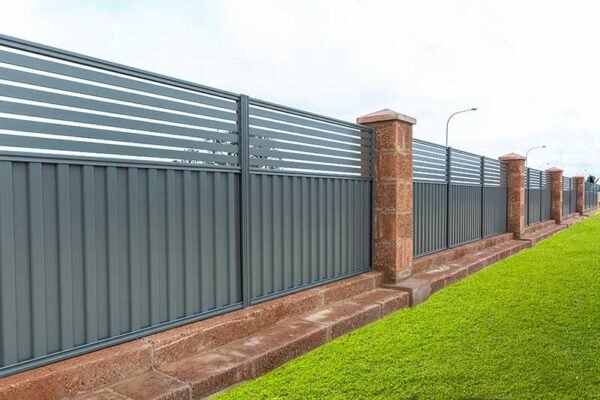
Colorbond fencing prices in Australia can look simple on the surface, but if you are planning a project in Perth or the surrounding suburbs, there is more going on than just a panel rate. Height, colour, profile, ground conditions, labour, access, wind exposure, even how quickly you need the job done, all of these play into the final figure you pay.
If you are a homeowner, developer, or commercial property owner, you are not just buying a fence. You are buying privacy, security, street appeal, and a fence that can handle Perth’s heat, coastal air, and long dry spells without turning into a maintenance headache. That is why understanding Colorbond fencing prices properly matters before you sign anything.
Most people only ask, “What is the price per metre?”
That question is a good starting point, but it rarely tells you what you actually need to budget for. Two Colorbond fences that look similar from the street can sit at very different price points once you factor in:
- Site preparation and removal of old fencing or asbestos
- Soil conditions, retaining requirements, and slopes
- Height changes for privacy, wind and security
- Colour choices and profiles that cost more than standard options
- Gates, lock hardware, post caps, infill panels, and automation for driveways
- Labour rates and how complex the installation access is
When you ignore those details, you either blow the budget halfway through or you accept a cheaper quote that cuts corners on materials or installation quality. Both paths cost more over the life of the fence.
Why a clear grip on Colorbond pricing matters in Perth
For homeowners
If you own a home, you likely want three things from your fence, privacy, security, and a clean, modern look that works with your house. At the same time, you probably do not want to be repainting, re-oiling, or replacing warped boards every couple of years. Colorbond is popular in Perth because it ticks the low maintenance box, but the price can shift a lot based on choices you make early.
Understanding the price drivers helps you decide where to invest and where to save. You might choose a standard profile and colour, then put more of your budget into gates and smarter layout. Or you might upgrade the profile and colour that faces the street and keep the side and rear boundaries simpler. When you know which elements push the price up, you control the look and the spend instead of letting a generic quote dictate it.
For developers and builders
If you are managing a residential estate or a multi unit build, fencing is not just a finishing touch. It affects saleability, compliance, and how tidy the development looks once residents move in. You also have to hit strict timeframes and margins.
A proper understanding of Colorbond fencing prices lets you:
- Plan realistic budgets for each stage of the build
- Compare bulk supply and install options on more than just a headline rate
- Choose standard colours and profiles that still give each lot a strong presentation
- Factor in retaining interfaces, shared boundaries, and step downs before concrete is poured
When fencing costs are vague, they tend to blow out late in the project. When you break them down early, you can negotiate better, lock in consistent specifications, and avoid delays while suppliers “rework” quotes.
For commercial and industrial properties
If you run a business, your fence has to do more than just mark a boundary. It needs to secure stock and equipment, guide vehicles and foot traffic, and still present a professional image to clients and the public. For many commercial sites, Colorbond fencing is used alongside security styles, gates, and sometimes retaining or screening.
This mix of needs means pricing can get messy quickly if you do not structure it properly. You want clarity on what you are paying for:
- Perimeter Colorbond sections for privacy and noise buffering
- Higher security sections such as garrison or chainmesh near access points
- Vehicle and pedestrian gates, with or without automation
- Compliance items such as pool or fall protection fencing where required
Clear pricing breakdowns help you separate “must haves” from “nice to haves” and make smarter calls that still protect your business.
Perth specific considerations that affect Colorbond pricing
Perth’s climate and soil conditions influence both how Colorbond fencing is specified and what you should expect to pay. Strong sun, sea breeze exposure in coastal suburbs, reactive soils in some areas, and blocks that often need retaining or step downs, these factors impact:
- The grade and coating of steel that makes sense for your location
- Post sizes and footing depths to handle wind and soil movement
- Whether you need integrated retaining or separate retaining walls
- Colour choices that cope better with heat and fading
If you want more detail about matching fence style to Perth conditions, you can dig deeper into broader fencing choices in resources such as this guide on fencing types for Perth homes. For now, know this, the cheapest Colorbond fence on paper is not always the best value once you factor in local climate and ground conditions.
The real goal, price clarity, not just a cheap quote
Price clarity is knowing exactly what you are paying for and why, and how it will perform over the next [insert timeframe] rather than just on day one.
That is the focus of this guide. You will see how Colorbond fencing prices are built, from panel profiles and colours, through to site preparation, installation complexity, and long term maintenance savings. You will also see how the same core material can serve very different needs for a family home, a residential development, or a commercial site, without you overpaying for features you do not need.
If you get this right at the start, you can brief suppliers clearly, compare quotes properly, and choose a Colorbond fence that delivers the privacy, security, and street appeal you want, at a price that actually makes sense for your property and your stage of life.
Audience-Specific Needs and Benefits of Colorbond Fencing
How Colorbond fencing fits what homeowners actually need
If you own a home in Perth, you are usually juggling three priorities at once, privacy from neighbours, genuine security, and a fence that looks sharp without turning into a weekend maintenance project.
Privacy that actually works day to day
Colorbond panels are solid, with no gaps. That matters in dense suburban streets where windows, alfresco areas, and backyards all sit close together. You get:
- Full visual screening so you can use your yard without feeling watched
- Consistent height along the boundary for better noise buffering and privacy
- Colour and profile choices that can soften or sharpen the look depending on your home style
From a pricing point of view, this level of privacy often means you can avoid extra screening add ons. Instead of stacking lattice, plants, or extra infills on top of a cheaper fence, you pay once for a solid Colorbond boundary that does the job properly.
Security without making your home look like a compound
Most homeowners want a secure yard, particularly if you have kids, pets, or outdoor gear sitting near the boundary. Colorbond helps because:
- Panels are hard to climb because they are smooth and do not have footholds
- There are no loose palings that can be kicked out or removed
- Matching Colorbond gates can be fitted with strong locks and latches
This gives you practical security without going to full commercial fencing. In pricing terms, you cut out a lot of patchy repair work that comes with cheaper or aging fences. You pay for a solid install up front, then avoid the drip feed of “can you just fix this section” costs over the next [insert timeframe].
Low maintenance for real life, not for a brochure
Perth’s heat and coastal air are rough on timber and light materials. Colorbond is different because it does not need painting, oiling, or termite treatment. You simply hose it down if it gets dusty. The benefit is not only time saved, it is also a more predictable long term cost. You pay to install, then factor in minimal upkeep rather than regular coatings or board replacement.
If you are comparing Colorbond with timber, it can help to use a simple checklist of installation plus [insert timeframe] maintenance tasks. You can find a deeper comparison of the two materials in this guide, Colorbond vs timber fencing, if you want to run the numbers for your own property.
Street appeal and resale value
Because Colorbond comes in a wide range of colours and profiles, you can match your roof, garage door, or window frames. That creates a more intentional, higher value look. From a pricing angle, you may choose to invest a little more in colour and profile on the most visible boundary, then choose standard options on less visible sides. Colorbond gives you the flexibility to do that without creating an odd patchwork of materials.
Why developers and builders lean on Colorbond for projects
If you are running a residential or mixed use project, you care about more than how one fence looks. You need consistency, predictable costs, and a specification that works across dozens of lots without constant custom adjustments.
Standardised, repeatable specifications
Colorbond fencing works very well in bulk because you can lock in:
- A standard height or a simple mix of heights
- One or two approved colours that suit the estate guidelines
- One preferred profile that is easy for installers to work with
This makes pricing cleaner. Instead of [insert count] different fence types across a project, you have a known Colorbond package that suppliers can price accurately up front. It also avoids arguments between neighbours later, because the boundary spec is already set.
Customisation where it matters, not everywhere
Developers often only need customisation in key locations, for example:
- Retaining interfaces and step downs between lots
- Feature fencing or different colours on corner or display lots
- Different gates and access solutions for laneways or rear loaded garages
Colorbond is flexible enough to handle this. You keep the core specification simple, then add project specific inclusions only where they create actual value. That keeps the average price per metre steady while still allowing flagship lots or entries to stand out.
Bulk purchasing and installation efficiency
Because Colorbond fencing components are modular, installers can work through stages of an estate quickly. With proper planning, you can align slab pours, retaining walls, and fencing runs so crews move logically through the site. Efficient installation translates to tighter labour costs and less time holding up practical completion or titles.
Colorbond also works well when combined with engineered retaining systems such as panel and post walls. If you want to understand how retaining choices affect long term costs, you can apply the frameworks in this resource, reasons quality retaining walls reduce long term costs, to your project planning.
Compliance and sales appeal in new estates
Estate guidelines often call for consistent fence heights and certain materials on shared boundaries. Colorbond ticks these boxes without becoming a headache for the sales team. It feels modern, aligns with most façade styles, and reassures buyers that they are not inheriting a high maintenance fence in [insert timeframe]. From a cost point of view, that stability reduces variations and late changes that can chew into the margin.
What commercial property owners get from Colorbond fencing
If you manage or own a commercial, retail, or industrial site, you need your fencing to work harder. You are dealing with security risks, public perception, and often regulatory obligations all at once.
Security and controlled visibility
Many commercial owners use Colorbond in combination with higher security options. Solid Colorbond sections are useful where you want to:
- Screen valuable equipment or stock from casual view
- Reduce opportunities for vandalism or graffiti on more expensive building surfaces
- Create secure service yards, bin areas, or plant enclosures
Because Colorbond has no footholds and is difficult to cut quietly, it forms a reliable barrier around sensitive zones. This can reduce the need for more complex security infrastructure around the full perimeter, which helps control costs.
Professional, consistent appearance
Clients and tenants judge a site the moment they drive past. A clean, straight Colorbond boundary looks deliberate and professional. You can match colours to corporate branding or the building palette. That gives you:
- Stronger first impressions for customers and visitors
- A cleaner backdrop for signage and landscaping
- Less visual clutter compared with mixed fencing types and patch repairs
In pricing terms, you may spend a little more on the visible street front, including colour and profile upgrades. Then you use standard, cost efficient Colorbond along back and side boundaries that are less exposed to the public.
Compliance and risk management
Some commercial sites need fencing that supports safety and compliance, for example around loading docks, fall risks, or pool areas. While dedicated pool and balustrade systems have their own requirements, Colorbond often forms part of the overall barrier and access design.
Because it is robust and low maintenance, it helps you keep risk controls effective without constant repairs or repainting. Predictable performance over [insert timeframe] also makes it easier to budget for and schedule any future upgrades in line with wider facility maintenance.
Lower lifetime cost and less disruption
Every time you need to close off part of a car park or loading zone for fence repairs, it disrupts business. Colorbond’s resistance to rot, pests, and general weathering cuts down those interruptions. Your spend leans towards a quality installation at the start, instead of regular patch jobs that always seem to pop up in the middle of busy periods.
The common thread across all three audiences
Homeowners, developers, and commercial property owners all want slightly different outcomes, but the core benefits of Colorbond stay the same. Solid privacy, reliable security, low maintenance, and a clean, modern look that holds up over time. The key difference is how you tailor the height, colour, profile, and gates to your type of property and how you structure the pricing so you are paying for the right features in the right places.
Key Factors Influencing Colorbond Fencing Prices
If you want a realistic Colorbond fencing budget for a Perth property, you need to look past the “per metre” figure and break the job into clear cost drivers. Once you understand these, you can decide where to spend more for long term value and where to keep things simple.
1. Fence height and length
Height and total run are the foundation of your price.
Every extra metre of height needs more steel, deeper posts, more concrete, and more labour. Common patterns look like this:
- Standard privacy heights for side and rear boundaries, usually the most cost efficient
- Taller sections near roads, laneways, or double storey neighbours, which increase both material and labour costs
- Mixed heights along one boundary, which adds cutting, extra planning, and often more wastage
Total length is straightforward, longer runs use more panels and posts. Where people get caught out is when site drawings do not match the real lot boundaries, or when awkward angles and returns add more posts and custom cuts than they expected.
Tip Create a simple sketch of your boundary with rough measurements and mark where heights change. Use that as your base when you ask for quotes, so everyone is pricing the same scope.
2. Panel profile choice
Not all Colorbond profiles cost the same to supply or install. Popular options include profiles such as Superdek, CGI Corrugated, and Wavelok. Each profile has different:
- Sheet shapes and rib patterns
- Span capabilities at different heights
- Visual impact from the street and the yard
Some profiles are more budget friendly, others sit at a premium because they use more material, need specific roll forming, or take longer to install neatly. In practice, you are choosing between three levers.
- Cost control Standard profiles that are easy to source and fast to install
- Visual upgrade Profiles with a more architectural look or stronger shadow lines
- Performance focus Profiles chosen for wind resistance or compatibility with certain post spacings
If you want the best value, pick one profile as your standard across the whole site. Then only vary it in small, high impact zones if you genuinely need a different look.
3. Style and layout complexity
Style is not just the sheet profile. It is how you put the whole fence together across the property.
- Straight, continuous runs are cheaper to build than lots of short sections and returns
- Stepped fencing on slopes adds more posts, cutting, and time
- Raked fencing following the ground can change labour costs depending on how steep and uneven the contour is
- Feature sections with lattice or slats on top, alternating colours, or custom infills all increase supply and install time
Residential blocks in Perth often combine at least two of these, especially where there is site fall from front to back or neighbouring retaining walls. For new builds and developments, it pays to plan the fence layout while you are still looking at retaining and finished levels. You can get deeper guidance on coordinating fences and retaining in resources such as this retaining wall cost and regulation guide for Perth.
4. Colour selection
Colorbond has a wide Australian colour range and they are not all priced the same at every supplier.
- Core or standard colours are usually priced more sharply because they are kept in higher volumes
- Designer or less common colours can carry a higher material cost and longer lead times
- Mixed colours on one boundary for example one colour each side of a panel, can increase both supply cost and the chance of errors during install
Colour also affects perceived temperature and fading. Darker colours can show dust and minor scratches more, while lighter colours reflect more heat but may highlight dirt differently. Those visual factors do not change the material price, but they do influence how “new” the fence looks in [insert timeframe], which matters for resale and for commercial presentation.
If you want help choosing a colour that works for heat, style, and price, you can use references like this Colorbond fencing colour guide for Perth homes.
5. Quality of steel and coatings
This is where cheaper quotes often hide their compromises. Not all steel sheet or coating systems are equal.
- Base steel quality affects strength, dent resistance, and long term straightness
- Coating system influences corrosion resistance in coastal and high moisture areas
- Colour finish quality changes how well the colour holds up under Perth’s UV and heat
Lower quality components can bring the upfront price down, but they tend to chalk, fade, or corrode faster, especially near the coast or in areas with poor drainage. That means more repairs or full replacement earlier than you planned. When you compare quotes, ask installers to specify the brand and grade of materials in writing, not just “Colorbond style” or “metal fence panels.”
6. Accessories, gates, and finishes
Accessories are where a “cheap” quote quietly grows into something very different once you add what you actually need.
- Gates pedestrian side gates, driveway gates, and service gates, with choices for manual or automated operation
- Posts and caps plain posts, decorative post caps, and sometimes larger posts in high wind zones
- Extra rails or plinths for stability, gap filling under the fence, or smoother transitions at steps
- Locks and hardware standard latches versus higher security or child safe hardware for side yards and commercial sites
Each accessory adds material and labour cost. At the same time, they shape how the fence works day to day. For example, a properly framed Colorbond side gate with quality hinges and lock costs more up front but avoids sagging and constant adjustment. If privacy and access control are priorities, plan the gate package first, then match the fence to it, rather than treating gates as an afterthought at the end of the quote.
7. Installation complexity and site conditions
This is one of the biggest price variables in Perth.
- Access Can installers reach the boundary easily with materials and equipment, or are they squeezing through garages and side passages
- Ground conditions Hard clay, rock, or heavy roots require more time and sometimes machinery to dig post holes
- Existing structures Working around sheds, pools, air conditioning units, and trees slows the job and can demand extra custom cutting
- Old fence removal Removing and disposing of timber, steel, or asbestos fencing carries different cost and compliance requirements
Install complexity can easily separate two quotes that looked similar per metre but are based on very different assumptions. A good installer will insist on inspecting the site or at least reviewing detailed photos and plans before giving a firm price. If someone quotes a fixed figure with no questions about access, soil, or old materials, expect variations later.
8. Local labour rates in Perth
Labour rates vary across Australia. Perth has its own market pressures, including demand from residential building, commercial projects, and infrastructure work.
- Experienced, licensed installers typically charge more per metre than casual labour, but they deliver straighter lines, better footing work, and fewer call backs
- Small, one off jobs sometimes attract higher effective rates because travel and set up time are similar to larger projects
- Tight timelines or after hours work on commercial sites can demand premium labour rates
When you compare quotes, check how labour is structured. Some installers blend labour and materials into one per metre figure. Others split them out. Neither approach is right or wrong, but it helps to know which is which so you are not comparing apples to oranges.
9. Weather exposure and wind conditions
Perth’s climate has a direct impact on how a Colorbond fence should be specified, which then affects price.
- High wind zones particularly in open or coastal areas, may need larger posts, closer post spacing, deeper footings, or heavier rails
- Coastal exposure can push you toward upgraded coatings or extra care with drainage and soil contact to reduce corrosion risk
- Sun exposure influences colour choice and finish quality if you want to keep the fence looking sharp over [insert timeframe]
These conditions do not always change the material itself, but they do change how it is installed. That can mean more concrete, more labour, and sometimes different structural components, which is why two fences of the same length and height can sit at different price points in different suburbs.
10. Ground slope, retaining, and levels
Very few Perth blocks are perfectly flat. Ground slope and level changes are one of the fastest ways to add cost to a Colorbond fence.
- Stepped fencing, where the fence height changes in visible steps, needs extra posts and more cutting
- Raked fencing, where the bottom and top rails follow the ground, demands more precise work and sometimes shorter panel spans
- Retaining needs Many boundaries need a retaining solution before a Colorbond fence can be installed, whether that is panel and post retaining, masonry, or another system
If you are dealing with soil height differences near boundaries, you are not just buying a fence. You are buying a combination of retaining and fencing. That package has its own pricing logic which includes engineering, drainage, and council rules. For more detail on how retaining interacts with cost and regulations in Perth, it is worth reading a specialist resource such as this guide to retaining wall costs and council regulations.
Bringing it all together
Colorbond fencing prices in Perth hinge on more than the panel you choose. Height, profile, colour, accessories, site complexity, labour rates, weather exposure, and ground slope all push the number up or down. When you understand each factor, you can brief installers clearly, avoid vague estimates, and make deliberate trade offs that suit your property, not just the cheapest line on a quote sheet.
Detailed Colorbond Fencing Product and Style Options
Once you understand the main price drivers, the next step is to choose the actual product mix, panels, styles, heights, gates, and colours. This is where you shape how your fence looks and functions, and where a lot of the price differences quietly appear.
Panel profiles and design styles that change the look and the cost
Colorbond fence panels are not all the same. You will see different profiles such as Superdek, CGI Corrugated, and Wavelok. Each profile changes the appearance, how it spans, and how it is priced.
- Superdek style profiles have distinct ribs and a sharper, modern look. Installers usually like these because they are predictable to work with on standard Perth blocks.
- CGI Corrugated style profiles give you a softer, more traditional corrugated look that can suit older character homes and rural style properties.
- Wavelok style profiles have deep, rounded shapes that feel more architectural and substantial, which often sits at a higher price point.
How this links to price
- Slimmer, standard profiles typically sit in the more cost efficient bracket.
- Deeper, feature style profiles usually carry higher material costs and can add some labour time to keep lines neat.
- Some profiles span further between posts at a given height, which can reduce post count and concrete, while others need closer post spacing.
If you are working with a tight budget, pick one common profile and run it across the whole job. If you want more visual impact, you can reserve the premium profile for the most visible run that faces the street or a key outdoor area, then use a standard profile on less visible boundaries.
Standard Colorbond fence configurations versus feature designs
You can keep Colorbond very simple, or you can dress it up. Each step away from the standard configuration adds both material and labour costs.
- Standard full height Colorbond solid sheets between steel posts and rails. This is usually the most cost effective setup for privacy and security on residential, commercial, and development sites.
- Colorbond with top features such as lattice, slats, or decorative tops. These add visual interest and extra height, however they introduce additional components, more cutting, and more time on site.
- Mixed material runs for instance Colorbond sections combined with masonry piers, aluminium slat infills, or glass near pool or alfresco areas. These look great when done properly, but the price jumps because you are now installing multiple systems.
If you want ideas on how Colorbond can pair with other fence types, you can use the concepts in this guide to fencing styles for Perth homes as a planning tool.
Practical pricing tip Lock in a standard Colorbond configuration for the bulk of the job. Then choose one or two short runs where you invest in feature sections. That way you get a strong visual upgrade without blowing the whole budget on decorative details that no one sees from the street.
Sizing options, heights, and how they shift the budget
Colorbond components are modular, which means you can configure heights and spans to suit different property types.
- Standard privacy heights are common for side and rear residential boundaries and are usually the best value per metre.
- Taller commercial or mixed use heights are used where you need extra security, screening, or noise control. These need more steel, deeper concrete, and sometimes heavier posts.
- Custom height transitions occur where blocks step down or where you move from backyard privacy height to a lower front boundary. These transitions introduce extra posts, cutting, and layout planning.
Developers and builders often fix one or two standard heights across a project to keep pricing predictable. Homeowners and business owners can use height changes more selectively, for example keeping rear and side boundaries at full privacy height and dropping the front section to keep the street view open.
Gate types, sizes, and what they do to the quote
Gates are one of the biggest swing factors in a Colorbond fence quote. The more gate openings you have, and the larger they are, the more the price changes.
- Pedestrian side gates are common on almost every home. They are usually similar width to a standard door, with options for simple latches or higher security locks and keypads.
- Double or sliding driveway gates use more material and stronger frames. If you add automation, expect a separate allowance for motors, tracks, power and controls.
- Commercial access gates often need extra height, heavier framing, and stronger locking hardware to stand up to regular use and security demands.
Colour matching between gates and fence also matters. Colorbond gates can be built to match your fence exactly, which looks cleaner and often presents better for both residential and commercial sites. If security and convenience are high priorities, it is worth reading alongside resources on automated gates in Perth so you plan the whole gate package, not just the basic frame.
Customisation packages that affect gate and fence pricing
- Upgraded hinges, locks, and closers for higher traffic areas.
- Reinforced frames on wider gates to prevent sagging.
- Special layouts for sloping driveways or tight commercial access points.
Each of these gives you specific functional benefits. The important thing is that they appear in the quote as defined inclusions, rather than vague notes such as “allow for heavy duty gate.”
Customisation options that change both style and spend
Colorbond is flexible. Once you lock in the main panel profile and height, you can fine tune a lot of details, for example:
- Mixed heights across one property for privacy in some zones, openness in others.
- Different post types such as standard steel, larger uprights in high wind areas, or posts that integrate with panel and post retaining wall systems.
- Infills and gap fillers near ground level or between fence and structures, which can tidy up awkward gaps and improve security.
For lots with retaining needs, you might combine Colorbond fencing with engineered panel and post retaining. You can get a structured overview of that approach in this resource on panel and post retaining walls for Perth properties.
Custom packages are handy for developers and commercial owners, because you can specify one standard kit for most boundaries and a second kit for special conditions such as corners, retaining interfaces, or service lanes.
Australian made Colorbond colours and how they influence price and compatibility
One of the main reasons people choose Colorbond in Australia is the colour range. The palette is designed to work with local architecture and landscapes, from coastal suburbs to semi rural areas.
How colour impacts pricing
- Core colours are held in larger volumes and are usually more price stable and easier to source quickly.
- Designer or less common colours can come with higher material rates and may require longer lead times or special orders.
- Two tone or mixed colours for example one colour facing each property on a shared fence, introduce more handling, checking, and risk of mix ups during install.
Colour compatibility across property types
- Residential homes often pair Colorbond with roof, fascia, and garage colours. Neutral or earthy tones tend to age well and help with resale.
- Developments and estates usually lock in a small colour set that works across different façade packages. This keeps the streetscape tidy and simplifies supply.
- Commercial and industrial sites often lean into brand aligned colours near entrances, while using more neutral or darker shades around service yards and back boundaries.
Colour choice also affects how dust, dirt, and marks show up. Dark tones can hide some marks but show scratches and salt more. Light tones reflect more heat but can highlight certain stains. None of this changes the official panel rate, however it does influence how often you feel you need to wash the fence and how “new” it looks after [insert timeframe]. If you want a deeper breakdown of available shades, you can review the palette options in this Colorbond fencing colours guide.
Matching style choices to residential, development, and commercial needs
The same Colorbond system can be tuned very differently for each audience, without wasting money on the wrong features.
- Homeowners usually get the best value from a standard height fence, a cost efficient profile, one main colour, and one or two well designed gates. They can then add a short feature run near the front or alfresco if the budget allows.
- Developers and builders benefit from a fixed specification, one profile, one or two heights, and a limited colour palette, plus clear custom kits for special lots and corner treatments.
- Commercial property owners often combine tall, solid Colorbond screens near sensitive areas with more standard heights elsewhere, reinforced access gates, and brand conscious colour choices near public entries.
The bottom line Product and style decisions are where you decide what you are really paying for. Panel profile, configuration, height, gate setup, custom extras, and colour selection all move the price, but they also control privacy, security, compliance, and how the property feels to live or work in. When you make these choices deliberately, with your property type and Perth conditions in mind, your Colorbond fence stops being a generic cost and becomes a tailored asset that holds its value over the long term.
Cost Breakdown: Materials, Accessories, Installation & Maintenance
If you want real clarity on Colorbond fencing prices in Perth, you need to see how the total is built. Not just a “per metre” number, but a clear split between materials, accessories, labour, site prep, and long term maintenance. Once you see each part, you can decide what to upgrade, what to keep standard, and where a quote is quietly cutting corners.
1. Core material costs: panels, posts, rails and concrete
Most of your fence cost sits in the core materials. These are the non negotiables that hold the fence up and give you privacy.
- Panels Colorbond infill sheets and channel rails between posts. Your panel cost changes with:
- Height of the fence
- Profile choice (for example, more premium shapes compared with basic profiles)
- Colour range used, standard colours versus less common options
- Posts Steel posts set in concrete footings. Taller fences, higher wind exposure, or commercial style heights often need larger posts or closer spacing.
- Rails Top and bottom rails, sometimes a mid rail, that lock the sheets in place. Extra rails add stability but also add to the material bill.
- Concrete For footings around each post. Deeper or wider footings in poor soil or wind exposed areas increase both concrete volume and labour time.
On a typical quote, you will see these rolled into a “supply only” or “supply and install” rate. When you compare quotes, ask for the exact materials being used, including the Colorbond grade and post size, so you know whether you are comparing like for like or a cheaper substitute.
2. Accessories and extras that change the real price
Accessories are where a “simple fence” starts to behave properly for daily use. They also explain a lot of the gap between a bare bones quote and a complete, ready to live with solution.
- Gates
- Pedestrian side gates for homes and duplexes
- Driveway swing or sliding gates for vehicles
- Wider or taller commercial gates for yards and service lanes
- Locking hardware
- Standard latches for low risk side access
- Keyed locks or digital locks where you need tighter control
- Child safe latches for pool zones that sit separate from the main pool safety fence
- Post caps and finishes Simple metal caps are usually included. Decorative or shaped caps, while not a large share of the budget, do add incremental cost per post.
- Infills and gap fillers Metal plinths or other gap fillers along the bottom of the fence, especially over uneven ground or above retaining. These improve privacy, keep pets in, and tidy the finish, but they are extra steel and extra labour.
- Automation components If you add motors, tracks, safety beams, and controls to driveway gates, treat that as its own budget line. Automation is a separate skill set and needs correct power and safety setup. You can plan this side of the job using resources like the gate automation overview at this automatic gates guide.
Good quotes spell these items out clearly. If you only see “including gate” or “including hardware” with no detail, expect the basic version, not the one you actually have in mind.
3. Professional installation fees versus DIY
Once you know the material package, the next big component is labour. You have two broad paths, professional installation or DIY. Each has its own cost profile.
Professional installation
- What you are paying for
- Site set out, string lines, and levels so the fence runs straight
- Machine or manual digging of post holes to the right depth
- Correct concrete quantities and curing time
- Panel cutting, stepping or raking to suit slopes
- Neat joints into existing structures and retaining
- Safe handling and disposal of old fence materials
- How installers structure labour
- Per metre rates for straightforward runs
- Fixed allowances for gates, corners, and tricky sections
- Separate rates for demolition, asbestos removal, or difficult access
In Perth, using an experienced, licensed Colorbond installer usually means a higher labour line but a cleaner result and fewer issues later. If you want a checklist for choosing the right company, this resource is worth a read alongside your quotes, how to choose the right Colorbond fence company.
DIY installation
- Where you save You avoid most labour charges and only pay for materials, delivery, and tools.
- What you still pay for
- Panels, posts, rails, caps, fasteners, and concrete
- Equipment hire if you need post hole diggers or small machinery
- Removal and disposal of old fencing, including any council or dump fees
- Hidden costs Mistakes with levels, footing depths, or boundary alignment can lead to rework, neighbour disputes, or compliance issues. Those can easily wipe out any upfront saving.
DIY suits some rural or simple sites where access is easy and the boundary is clear. In dense Perth suburbs, especially with retaining, shared boundaries, or tight access, professional install usually makes more financial sense over the life of the fence.
4. Site preparation and demolition costs
This is where many quotes undercook the number. The ground and what is already on it can change the real cost fast.
- Clearing vegetation and obstacles
- Removing shrubs, small trees, old garden beds, and rubbish along the fence line
- Temporary removal of minor structures like light garden edging if needed
- Old fence removal
- Pulling down existing timber, metal or mixed fences
- Cutting and stacking materials for disposal
- Carting and tipping fees at approved facilities
- Ground and soil work
- Breaking through rock, limestone, or hard clay
- Dealing with tree roots or underground services
- Minor levelling so panels sit correctly
- Retaining interfaces If your boundary needs retaining, you may have extra excavation, drainage, and footing work before the Colorbond posts go in. Often this involves its own retaining wall quote, especially on sloping blocks.
Always ask installers to spell out who is handling each site prep step. If a quote assumes “clear, level ground” and “no demolition required” but your site is the opposite, you have a built in cost blowout waiting to happen.
5. Regulatory costs, surveys, and approvals
Compliance can add soft costs that do not look like “fence parts” but still hit the budget.
- Boundary surveys If boundary locations are unclear or disputed, a licensed survey may be needed so you do not install on the wrong side. This cost usually sits outside the fence quote but is part of the real project spend.
- Council approvals or notifications In some situations, such as fences over certain heights or near front boundaries, you may need approvals. Time and application costs vary by council.
- Specific compliance fences For pool zones, you must work within pool fence legislation. That may mean combining Colorbond with compliant pool fencing products, which have their own pricing rules. You can cross check those requirements against resources like the overview at this pool fence compliance guide.
For most standard residential side and rear Colorbond boundaries within typical height limits, compliance costs are modest. Issues tend to arise when heights increase, when there is retaining, or when a fence is part of a broader development approval.
6. Ongoing maintenance and long term savings
Up to this point, everything focuses on getting the fence installed. The part many people forget is what the fence costs to live with over [insert timeframe]. This is where Colorbond usually pulls ahead of higher maintenance materials.
What you do not have to pay for with Colorbond
- No routine painting or staining cycles to protect the material
- No termite treatments or rot repairs, which are common with timber
- Fewer panel replacements from warping, splitting, or loose palings
What you still budget for
- Occasional washing with a hose or soft brush to remove dust and salt
- Minor hinge or latch adjustments on gates, especially in high use areas
- Repairs if the fence is hit by vehicles, falling branches, or severe storms
A simple way to compare long term value is to list, in two columns, all tasks and costs you expect for Colorbond versus another fence type over [insert timeframe]. Colorbond usually shows a higher upfront material and install line compared with basic timber, then a much flatter maintenance line. That matters for busy homeowners, developers who want low call backs from buyers, and commercial owners who cannot afford constant disruption for repairs.
7. How to read a Colorbond quote like a pro
When you receive a quote, look for these sections so you can match them against the cost breakdown above.
- Materials Panels, posts, rails, caps, concrete, and any specified brand or grade information.
- Accessories Number and type of gates, locks, automation, infills, plinths, and decorative features.
- Labour Clear note on whether labour is included, and if so, for which tasks and site conditions.
- Site preparation Demolition, disposal, vegetation clearing, access assumptions, and any exclusions.
- Compliance References to surveys, council approvals, or specialised fencing standards if relevant.
- Maintenance notes Any guidance on care and what is covered under workmanship or product warranty.
If any of those sections are missing or vague, you do not have full price clarity yet. Ask the installer to itemise or at least describe the scope in plain language. That single step often saves Perth property owners from the classic “cheap quote that grows” problem and helps you choose a Colorbond fence that fits your budget today and behaves itself for years to come.
Bulk Purchasing and Project-Specific Pricing Insights for Developers and Builders
If you build or develop in Perth, Colorbond fencing is not a one off purchase. It is a line item that repeats across stages, lots, and entire estates. That means small pricing decisions get multiplied quickly. When you understand how bulk purchasing and project specific pricing works, you can lock in predictable costs, keep your schedules tight, and avoid nasty surprises at handover.
Why bulk Colorbond supply changes the pricing conversation
Buying [insert length] of Colorbond for a single home is very different to specifying fencing for an estate, a row of townhouses, or a mixed use project. With a genuine bulk requirement, you can:
- Standardise the specification, which lets suppliers sharpen material and labour rates
- Reduce wastage, because installers can plan panel cuts and post spacing across a whole stage, not a single lot
- Simplify logistics, with larger but fewer deliveries to site that align with your build program
Suppliers and installers can see that their set up, mobilisation, and admin time is spread across more metres. That is where real economies sit. The key is to present your project as a single, structured package, not a loose collection of small jobs.
How to structure a bulk Colorbond package that prices well
If you want strong bulk pricing, you need clarity. The fastest way to get it is to define a standard Colorbond package for your project before you start collecting quotes.
Lock in the core specification
- One profile as the default across the project
- One standard height for shared boundaries, with a second height only where genuinely needed
- One or two approved colours that work with your façades and covenants
- A default gate type and size for typical lots, for example a single side gate per dwelling
Once this is set, record it in a short specification sheet and issue that with your tender or quote request. This stops every installer pricing a different mix of profiles, colours, and heights, which is how “apples versus oranges” quotes are created.
Create clear variants for special conditions
Most projects also need a handful of special fence types, for example:
- Boundary fences that sit on or above retaining walls
- Corner lots that need feature fencing or additional returns
- Laneway or rear loaded lots with different gate or access needs
Instead of leaving these as vague “to be confirmed” items, define them as separate standard packs, for instance “Type A boundary on retaining” or “Type B corner lot feature fence.” This lets suppliers give you clear, repeatable rates for each type. You can then multiply those rates by the number of lots or boundaries in your civil drawings without guesswork.
If your project includes panel and post retaining, you can plan those interfaces with resources such as the panel and post walls overview so the retaining and Colorbond specs line up cleanly.
Where project discounts usually come from
Developers often ask, “What project discount can you give me” without showing how their job helps the installer reduce costs. The reality is that meaningful discounts usually come from three places.
- Consistency One profile, one height set, and a tight colour palette mean fewer errors, less cutting, and faster install. Installers price that efficiency in.
- Volume A clear, staged forecast, for example [insert count] lots in Stage 1, [insert count] lots in Stage 2, shows that the supplier is not bidding for a one off. Volume allows sharper supply rates.
- Program certainty If you can give realistic dates for when each stage will be ready for fencing, installers can stack your work with other projects and keep crews productive. That reduces idle time and makes better pricing possible.
Instead of pushing for a random percentage discount, focus on designing a package that is genuinely efficient for the supplier to deliver. Then negotiate based on that improved efficiency. You get a sharper price without your installer needing to cut corners on materials or workmanship.
Customised fencing solutions for different project types
Not every project is a simple grid of lots. Mixed use and infill jobs need Colorbond to work alongside other fence and wall systems. The trick is to customise just enough, not everywhere.
Residential estates
- Standard Colorbond to all side and rear boundaries
- Feature fencing only to display homes, key entries, or high exposure corner lots
- Specific details for how Colorbond meets retaining, garages, and side access paths
Townhouse and infill developments
- Shared internal boundaries with higher privacy heights
- Colorbond combined with masonry or aluminium slats facing the street
- Integrated side gates for each dwelling as part of the base package
Mixed use or commercial adjacent projects
- Taller Colorbond screening around service areas and rear lanes
- Standard residential heights to internal or residential interfaces
- Upgraded access gates where staff and vehicles frequently move
Work with suppliers who can handle more than one fence type, for example Colorbond plus garrison or chainmesh. You can keep one point of responsibility instead of juggling multiple trades. If you need higher security sections, you can cross check options using resources like the commercial security fencing overview.
Why professional, project capable suppliers matter more than the lowest rate
Cheap supply is useless if materials arrive late, inconsistent, or incomplete. For developers and builders, time is usually more expensive than a small saving per metre. A professional Colorbond supplier in Perth does more than drop panels at the gate.
Reliable delivery schedules
- They plan deliveries by stage, not by random lot, so site traffic stays manageable
- They coordinate with your site manager so fences go in after retaining, services, and paving are ready
- They keep a buffer of your chosen colours and profiles where possible, to cover variations and late changes
Consistent quality across the whole project
- Same brand and grade of Colorbond across all stages
- Match of post sizes, caps, and rails so Stage 3 does not look different to Stage 1
- Repeatable gate construction, hinges, and locks that your maintenance team actually understands
Clear communication and documentation
- Written specifications and drawings for standard fence types
- Variation processes when conditions on site do not match the original drawings
- Consolidated invoicing by stage, which is far easier for your accounts team than [insert count] small invoices
You can usually spot a project capable supplier by the questions they ask. They will want civil plans, staging plans, and façade schedules, not just “how many metres.” If all they ask for is a total length, they are not thinking at project level yet.
Practical steps to secure strong project pricing in Perth
If you are planning a new project in the current year, use this simple process to lock in Colorbond pricing that makes sense.
- Confirm your boundary logic early Work out which boundaries are shared, which need feature treatment, and which connect to retaining or structures.
- Create a short fence specification Include profile, heights, colours, default gates, and special fence types. Keep it to a couple of pages so trades actually read it.
- Map quantities by type Use your civil drawings to estimate how many metres of each fence type you have in each stage.
- Shortlist suppliers with project experience Look for companies that already handle estates, infill clusters, or commercial work, not just one off houses.
- Issue a structured tender Ask for rates per fence type, per gate type, and any stage based discounts. Make sure everyone is pricing the same spec.
- Assess more than the headline rate Check material brands, crew size, lead times, and how they handle variations and access issues.
When you treat Colorbond fencing as a coordinated project scope instead of a last minute add on, bulk purchasing starts working in your favour. You get stable, defendable pricing, less firefighting on site, and a consistent finish that supports both compliance and sales across the entire development.
Durability, Warranty and Maintenance Cost Implications
Colorbond is popular in Perth for one simple reason, it stands up to local conditions without turning into a constant maintenance job. When you understand how its durability, warranty, and upkeep actually work, the price tag starts to make more sense, especially if you compare it with fences that look cheaper on day one.
How Colorbond handles harsh Australian and Perth conditions
Corrosion resistance in coastal and high moisture areas
Perth properties, particularly near the coast or wetlands, punish anything that rusts easily. Colorbond fencing uses pre painted steel with a layered coating system that is designed to resist corrosion when installed correctly. The benefits for you:
- The steel has a protective metallic coating under the paint layer, which helps resist rust in normal residential environments.
- The painted finish acts as another barrier, so salt and moisture have a harder time reaching bare metal.
- Correct installation, with clearance from soil and good drainage, reduces standing water around posts and sheet edges.
This resistance directly affects price over time. You pay once for quality steel and proper installation, instead of dealing with early rust patches, panel replacements, or full fence replacement after a short [insert timeframe] of coastal exposure.
Performance in high heat and strong UV
Perth’s sun is unforgiving. Cheap finishes chalk, fade, and peel. Colorbond coatings are engineered to cope with intense UV and heat. In practice that means:
- The colour stays more consistent over time if you follow basic care guidelines.
- The surface does not need repainting to keep its protective qualities doing their job.
- The steel does not warp or twist the way some lightweight materials do under sustained heat.
Less fading and surface breakdown means you are not budgeting for large scale repaint works just to keep the fence looking respectable. For homeowners, that protects street appeal. For developers and commercial owners, it keeps estates and sites looking well maintained for buyers, tenants, and clients without constant re coating costs.
Fire performance
In many parts of WA, fire risk is part of the design conversation. Steel fencing does not burn, and Colorbond panels do not act as fuel the way timber does. While you still need to check specific requirements if you are in a designated bushfire or special risk area, Colorbond’s non combustible nature offers clear practical benefits:
- No need for fire retardant treatments that need reapplication.
- Reduced risk of the fence contributing to flame spread compared with combustible materials.
- Often, better alignment with modern building and planning expectations around fire sensitive zones.
That means one less area where you are paying for ongoing treatments or worrying about how the fence behaves in extreme conditions.
Pest and rot resistance
Termites, borers, and general wood decay are a constant concern with timber fencing. Colorbond removes that issue because it is steel, not organic material. You get:
- No termite treatments to schedule or pay for along the fence line.
- No rot, splitting, or warping from moisture cycles.
- No palings working loose over time and needing to be nailed or screwed back in.
That has a direct cost impact. You stop bleeding money on small call outs like “replace these few rotten boards” and instead have a fence that stays structurally consistent with normal use and basic care.
Warranty and expected lifespan, what that really means for your budget
Understanding typical Colorbond fencing warranty structures
Most genuine Colorbond steel products come with manufacturer backed warranties that cover issues such as corrosion and paint performance under normal conditions for a defined period. On top of that, a good installer will provide a separate workmanship warranty that covers how the fence was put together.
When you compare quotes or products, pay attention to:
- Product warranty What the steel and coating are covered for, where your property sits in any exposure categories, and what care conditions apply.
- Workmanship warranty How long the installer stands behind post footing depth, panel fixing, alignment, and gate performance.
- Exclusions Commonly, impact damage, misuse, and lack of any basic cleaning are not covered.
Stronger warranty terms usually sit behind higher quality steel and coatings, and behind installers who know their work holds up. That might lift the upfront price, but it also shifts future risk away from you.
Expected lifespan and how it flows into long term cost
A well specified and properly installed Colorbond fence in WA conditions is designed to last for a long service life, measured in multiple [insert timeframe] periods, not a short window. What matters for your budget is how that lifespan compares with other options.
- Timber fences often need major repairs or full replacement earlier, particularly if they are not maintained meticulously.
- Cheaper non genuine steel or thin gauge products can corrode or deform faster, especially near the coast or in poor soil drainage.
- Colorbond, if cared for in line with guidelines, is intended to hold structure and finish well past the point where many cheaper fences have already been replaced.
The true comparison is not “Colorbond versus another fence on day one,” it is “Colorbond installed once versus how many times you will need to replace or seriously repair a cheaper fence across the same [insert timeframe].” For a deeper lifespan comparison in WA conditions, you can cross reference with the dedicated resource on how long Colorbond fencing lasts in WA.
Day to day maintenance, what you actually need to do
Routine care tasks
Colorbond is not completely maintenance free, but the routine is simple.
- Occasional washing Hosing down the fence, especially in coastal or dusty areas, helps remove salt, dirt, and contaminants that can shorten coating life if left in place.
- Keeping the base clear Avoid piling soil, mulch, or garden debris hard up against the bottom of sheets and posts. Consistent contact with wet soil can reduce life at the very bottom edges.
- Checking fixings and gates Every so often, have a quick look at screws, rails, and gate hinges, especially on high use gates in commercial or high traffic residential situations.
All of these tasks are simple enough for a homeowner, facility manager, or strata caretaker. There is no need for specialist coatings, treatments, or regular carpentry work just to keep the fence functional.
What you avoid compared with other materials
When you choose Colorbond, you remove whole categories of maintenance cost.
- No painting or staining cycles that need repeating every [insert timeframe].
- No pest treatments along the fence line just to stop termites chewing through posts and rails.
- No routine board replacement as palings cup, split, or rot.
For busy households and commercial sites, that is not just about cash, it is also about time and disruption. The fence sits there, does its job, and does not keep jumping onto the maintenance schedule.
How durability and low maintenance reduce lifetime Colorbond fence costs
Upfront price versus lifetime spend
A quality Colorbond fence can look more expensive at quote stage than a basic timber or low grade steel fence. If you only compare supply and install figures, you miss where the real savings live. The better way to look at it is:
- List your upfront install cost for Colorbond and for the alternative you are considering.
- Beside each one, list the likely maintenance tasks across [insert timeframe], such as repainting, board replacement, pest inspections, and partial rebuilds.
- Add a realistic allowance for your time or for calling trades back each time something fails.
Colorbond usually shows a higher initial line, then very low and predictable maintenance. The alternatives tend to show a lower initial install then a series of jumpy, unpredictable spends that often end in a full replacement sooner than you expected.
Impact on property downtime and disruption
For commercial and industrial properties, downtime is a real cost. Every time you close off a loading dock or car park bay to fix a failing fence, you interrupt operations. Colorbond’s durability means:
- Fewer emergency repairs after storms or high winds, especially if the fence was specified correctly for the local exposure.
- Less frequent interaction with neighbours to coordinate access for boundary repairs.
- More control over when any upgrades happen, so you can schedule them with other planned works.
For developers, fewer call backs from new owners about failing or shabby fencing directly protects margins and reputation. You avoid sending crews back out to fix avoidable issues on material that should have been better from day one.
Why durability aligns with eco conscious and sustainable values
Many Perth owners care about the environmental footprint of their property upgrades, not just the price. Durability and lower maintenance are a big part of that picture.
Less material waste over time
A fence that lasts longer without major repair simply produces less waste across its life. You are not sending failed posts, rotten palings, and peeling painted boards to landfill every few [insert timeframe]. Instead, you install once, then keep that fence in service for a far longer period.
Reduced use of coatings and chemicals
Because Colorbond arrives with its protective and decorative coating already applied, you are not repeatedly using:
- Solvent based paints or stains that release fumes and overspray into the environment.
- Pest control chemicals purely to defend timber from termites and other borers.
- Cleaning agents or strippers to prepare old painted surfaces for recoating.
Routine washing with water is usually enough. Less chemical use over the life of the fence sits well with owners who want a cleaner environmental profile for their property.
Recyclability of steel components
Steel is widely recyclable. When a genuine Colorbond fence eventually reaches the end of its service life or is replaced due to a redevelopment, the steel components can enter recycling streams instead of pure landfill. That is very different to treated timber, mixed material panels, or coatings that are harder to separate and reuse.
For owners who take sustainability seriously, a long lasting, recyclable, low maintenance fence fits the brief far better than a cheaper fence that fails early and often. If you want to look at how Colorbond compares against other common Perth options from an investment and maintenance angle, the resource on maximising your fencing investment with Colorbond is worth reading alongside your quotes.
The net effect on Colorbond fencing prices
When you factor durability, warranty coverage, and realistic maintenance into the equation, Colorbond fencing prices stop looking like a simple “per metre” cost and start looking more like a one time investment. You are paying for a fence that copes with Perth’s climate, keeps maintenance light, lines up with eco conscious values, and stays out of your way so you can get on with using your home, development, or commercial site without constant fence drama.
Regulatory and Compliance Considerations in Perth
Colorbond fencing in Perth is not just a style and price decision. You also need to stay on the right side of local rules for fence height, boundary location, and safety. If you ignore this, you risk council headaches, neighbour disputes, extra costs for rework, or being forced to cut down or modify a brand new fence.
I will keep this practical and focused on how regulations impact your Colorbond choices and your budget, whether you are a homeowner, a developer, or a commercial owner.
Fence height rules and how they affect Color bond pricing
Councils in Perth use planning schemes and policies that set limits around “normal” fence heights and when extra approvals are needed. The exact numbers vary by council and zone, but the pattern is similar.
- Side and rear boundary heights Residential Colorbond fences at common privacy heights along side and rear boundaries usually sit within standard allowances. Once you go above those typical heights, you can trigger extra conditions such as neighbour consent or council approval. For developers and builders, locking in a compliant standard height across an estate keeps specs simple and reduces approval risk.
- Front and street facing fences Councils often limit solid fence height at the front or near corners to protect sightlines and street character. Solid Colorbond right across the front boundary can be restricted or require a lower height, a different material, or open style elements. For commercial sites, higher street facing Colorbond screens may also be assessed differently from residential, especially near intersections or vehicle entries.
- Fences on or above retaining If a Colorbond fence sits on top of a retaining wall, some councils treat the combined height as one structure. Once the combined measurement passes a certain point, you can fall into a different approval category or need engineering. This directly affects cost. Taller combined structures need larger posts, deeper footings, and sometimes engineered retaining solutions. If your site has level changes, read this alongside a specialist resource such as the retaining wall installation guide so your retaining and fencing plans work together.
If you are unsure about the allowed height for your area, a good starting point is to review a resource like this guide to fence height regulations for Perth homeowners, then confirm details with your local council or designer.
Height is not just a planning issue. It is a pricing lever.
Once your design creeps above “standard” heights, everything changes. You need more steel, heavier posts, more concrete, and sometimes approvals. That is why it pays to design your Colorbond layout around compliant heights unless you have a clear, budgeted reason to go taller.
Boundary definitions and neighbour agreements
Most Colorbond fences in Perth sit on or very close to a shared boundary. Getting that position wrong can become much more expensive than the fence itself.
- Knowing exactly where the boundary is If survey pegs are missing or the boundary is in dispute, you may need a licensed surveyor to mark it accurately. This is a separate cost, but it protects you from building partly on someone else’s land and then paying to move or cut down a finished fence.
- Shared boundary cost sharing On many residential boundaries, both owners have obligations to contribute to a “sufficient” dividing fence. How that plays out in practice depends on the relationship, the existing fence, and what each party wants. If one party wants a more premium Colorbond option, they may agree to cover more of the cost. This does not change what an installer charges for the fence itself, but it changes who pays which share. Clear written agreements up front avoid arguments later.
- Building slightly off the boundary Sometimes owners choose to install just inside their own boundary to avoid discussions or delays. Legally that is simpler, but practically it shifts all cost and full control to one owner. It also means you lose a strip of usable land. Commercial and industrial sites sometimes use this approach to keep control over security fencing inside the title boundary.
From a pricing point of view, the regulatory part is simple. If you need a survey, approvals, or formal neighbour agreements, those are all “soft costs” on top of the Colorbond supply and install. Budget for them early instead of treating them as surprises.
Pool fencing, safety rules, and where Colorbond fits
Pool safety is regulated very tightly in WA. Colorbond can form part of a compliant pool barrier, but it is only one piece of the puzzle.
- Using Colorbond as part of the pool barrier A solid Colorbond fence at the right height, without climbable features, can be used on the outer edges of a pool enclosure. You still need to meet rules around climbability, non climbable zones near the fence, and self closing, self latching gates. Gate hardware, latch heights, and opening directions all have specific requirements that apply even if the gate itself is Colorbond.
- Front or yard facing pool fences In visible or space sensitive areas, you may combine Colorbond with glass or aluminium pool fencing. Each system has its own compliance details. For the glass and aluminium side of that choice, you can get a clear comparison in resources such as the frameless versus semi frameless glass pool fencing guide.
- Why this matters for your Colorbond price Once a fence forms part of the pool barrier, you might need:
- Specific gate hardware and closer systems that cost more than a standard side gate latch.
- Adjusted heights to satisfy pool safety rules, not just general boundary rules.
- Extra design and inspection time so installers can document compliance where required.
For homeowners, that means your “pool side Colorbond run” usually costs more per metre than a standard rear boundary. For developers and commercial owners, large pool or water feature areas can carry a noticeable safety compliance allowance in the overall fencing budget.
Permits, approvals, and council interaction
Not every Colorbond fence needs a formal permit, but certain triggers can pull council into the conversation.
- Height beyond standard limits If your planned height is above what your local rules treat as “as of right,” you may need development approval or a variation. This can involve drawings, neighbour consultation, and an application fee. For example, some owners want extra high Colorbond screening to block a two storey neighbour or a busy road. That can be done, but you need to price the approvals, engineering, and heavier materials into the quote.
- Combined structures, such as retaining plus Colorbond As mentioned earlier, when retaining and fencing combine into one tall structure, councils can ask for engineering sign off. That means design work, documentation, and possibly inspections. The structural spec might upgrade post size, footing design, or sleeper type, which increases cost per metre.
- Commercial and industrial zones In commercial and industrial areas, planning schemes sometimes control the type and appearance of front and street facing fencing. Solid high Colorbond on the street front might not be accepted in some zones that prefer open style or lower height fencing near the verge. In that case, you might end up with a combination, Colorbond for side and rear security, and different systems such as garrison or chainmesh at the street. That mix changes both compliance and price, and needs to be handled at design stage, not when the fence crew arrives.
The important part is timing. If you know a permit or planning variation is likely, treat it as part of the project from day one. Last minute changes when materials are already ordered can be very expensive.
How compliance choices feed into your Colorbond specification
Every regulatory rule you work under eventually shows up as a technical choice in the fence itself. Those choices affect price directly.
- Height and panel configuration To stay within standard height rules, many owners stick with common privacy heights for most boundaries and change height only where absolutely necessary. That keeps the structural spec simple and efficient. If you push for non standard heights right across a boundary, you pay more for steel and labour, and you may pay more in approvals too.
- Post size and footing design When a fence needs to satisfy extra structural or safety expectations, you often need bigger posts, closer post spacing, and deeper concrete footings. This is common where retaining is involved or where a fence indirectly forms a barrier to a fall or a public area. Those upgrades do not always show in a quick “per metre” chat, but they increase material volumes and install time.
- Gate hardware and layout Pool gates, shared access for strata, or high use commercial entry gates need compliant, heavy duty hardware. These cost more than a standard latch and two hinges. Layout can also change for safety. For instance, gates near driveways or corners may need clear sightlines or must open a certain way. That might shift posts, change opening widths, or even change fence alignment, which has knock on effects for your Colorbond quantities.
Good installers will pick up these issues early and design them into the quote. Cheap or rushed quotes often ignore them, which is why they look lower at first then climb when someone flags compliance later.
Regulatory risk for each audience, and how to manage it
Homeowners
- Main risks Building higher than allowed without approval, sitting on the wrong side of the boundary, or creating a non compliant pool barrier.
- How to manage it
- Confirm your local fence height rules, especially if you want to go above typical privacy heights.
- Use installers who know Perth council patterns and who are prepared to talk through options in plain terms.
- If the fence is anywhere near a pool area, make sure the full barrier design, not just the Colorbond part, is compliant.
Developers and builders
- Main risks Estate wide fences breaching planning guidelines, fence and retaining combinations built without required engineering, and inconsistent specs that lead to council or buyer complaints at handover.
- How to manage it
- Align estate fencing guidelines with local planning rules from the start.
- Get engineering sign off where fences operate alongside retaining or near critical level changes.
- Standardise Colorbond types and heights across the project so compliance is repeatable and predictable.
Commercial property owners and businesses
- Main risks Street front fences that do not match planning controls, non compliant barriers near public access or vehicle areas, and pool or water feature barriers that fail safety checks.
- How to manage it
- Check planning conditions on your development approval for front and side boundary fencing requirements.
- Use a fencing contractor who understands security fencing, pool safety, and council expectations, not just “backyard” fencing.
- When in doubt, get written advice or drawings signed off before you commit to a large Colorbond order.
What this means for your Colorbond budget
Compliance is not free. It adds cost in three main ways.
- Design and admin time Time spent checking rules, preparing any necessary drawings, dealing with council, and documenting agreements is part of the real project cost. On large developments, this sits in design and project management budgets. On homes and small commercial jobs, it often shows up as extra contact time with your installer or designer.
- Upgraded materials and construction Compliant heights, pool grade gates, engineered fence on retaining, and stronger posts all increase material quantities and labour effort.
- Rework if you get it wrong Cutting down a non compliant fence, shifting a line that was set off the true boundary, or retrofitting pool safe hardware after an inspection can cost far more than getting it right in the first place. It also burns goodwill with neighbours, buyers, and council.
The smart move is to bake regulatory requirements into your Colorbond planning from day one. Treat them as core design inputs, not as an afterthought. You will avoid expensive surprises, keep your neighbours and council on side, and have a fence that looks good, performs well, and stays legal for the long haul.
Selecting the Right Installer or Supplier
Getting your Colorbond fence spec right is only half the job. The installer or supplier you choose will decide whether that spec turns into a straight, solid, hassle free fence, or a project that drags on, blows out, and needs fixing a year later.
This is where a lot of Perth homeowners, developers, and commercial owners try to save a few dollars and end up paying for it down the track. You are not just buying steel. You are buying experience, process, and reliability.
What a good Colorbond installer or supplier actually looks like
Forget flashy marketing. Focus on whether they can do four things consistently.
- Specify the right product for your site They ask about:
- Location, including how close you are to the coast or open wind corridors
- Soil type, retaining walls, and any level changes
- How the property is used, family home, development, or commercial site
- Access and existing structures, sheds, pools, air conditioners, services
- Provide real pricing transparency Their quote breaks out:
- Materials, with specific mention of Colorbond or equivalent grade steel
- Labour and what it covers
- Site preparation, demolition, and disposal
- Gates, locks, and any accessories, itemised not buried in a lump sum
- Run a predictable schedule They give realistic:
- Lead times for materials
- Install dates, with clear conditions such as “subject to weather and access”
- Timeframes for each stage, demolition, posts, panels, gates
- Offer solid after sales support They put workmanship warranties and product warranties in writing and explain:
- What is covered and for how long
- How to lodge an issue if something moves or fails
- Basic maintenance steps so you keep warranty coverage
If you want a quick feel for what a professional fencing operation looks like, browse a service focused page such as fencing installation services in Perth. Use it as a benchmark when you talk with other installers.
Checklist to qualify a Color bond installer in Perth
Use this as a simple filter, whether you are fencing a single home, a multi unit site, or a commercial property.
- Licensing and insurance
- Ask for their licence details where required for structural work.
- Confirm public liability insurance and, for larger projects, workers compensation cover.
- Specific Colorbond experience
- Ask how much of their work is Colorbond compared with other fence types.
- Ask which Colorbond compatible brands or systems they use regularly.
- Ask how they handle installs on retaining, slopes, and tight suburban lots.
- Local Perth knowledge
- How they change specs for coastal suburbs compared with inland areas.
- How they deal with reactive soils and limestone.
- Which councils they work with often and how they handle fence and retaining intersections.
- Clear process
- Do they always do an onsite measure before locking in price.
- Do they provide a written scope with inclusions and exclusions.
- Do they explain how variations will be handled if something unexpected appears in the ground.
A short conversation using those points will tell you very quickly if you are dealing with a professional outfit or someone winging it.
How to read and compare Colorbond quotes properly
Most people line three quotes up and look straight at the total. That is how you end up choosing the cheapest one that quietly deleted half of what you need.
Instead, compare them line by line using these filters.
- Materials are clearly specified
- Does the quote say “Colorbond steel” or something vague like “metal fence panels”.
- Are post sizes listed, including thickness and size category.
- Are heights, colours, and profiles written down, not just “standard fence”.
- Gates and hardware are fully described
- Exact number of gates, each with size and type, pedestrian or vehicle.
- Hardware type, for example basic latch versus keyed lock or pool style latch.
- Any automation components listed separately for sliding or swing driveway gates.
- Site conditions are acknowledged
- Demolition and disposal of the old fence are either included or clearly excluded.
- Allowances for hard digging, rock, or roots are referenced, or at least a process for dealing with them.
- Any asbestos handling is called out as a separate scope, often involving a licensed removal contractor. For that specific piece, you can review this guide on how to identify if your fence contains asbestos.
- Warranties and payment stages are clear
- Workmanship warranty duration.
- Reference to product warranty on Colorbond steel.
- Deposit, progress payments, and final payment tied to clear milestones.
When you strip emotion out and compare scope, you usually find the “too good to be true” quote is missing items that the higher quote has covered honestly.
Priorities for homeowners, developers, and commercial owners
For homeowners
You want a fence that looks good, keeps kids and pets safe, and does not create drama with neighbours. Your installer should:
- Handle boundary alignment and neighbour discussions professionally if you want help with that.
- Walk you through colour, height, and gate placement choices in person.
- Give a firm timeline from tear down of the old fence through to final clean up.
Have them mark out proposed gate swings, any step ups, and where the fence meets the house before they start. A ten minute walkthrough can save years of irritation with a badly positioned gate or awkward privacy line.
For developers and builders
Your installer or supplier is part of your delivery team. You need consistency and predictability more than the absolute lowest rate.
- Project capability
- Experience with estates, townhouses, or multi stage builds.
- Ability to read civil and architectural plans, not just sketch a fence line in the dirt.
- Comfort working alongside other trades and around tight access windows.
- Standardisation
- Willingness to help you refine a small set of fence and gate types for the whole project.
- Consistent details on posts, caps, heights, and colours across stages.
- Clear per type rates so you can budget accurately for future stages.
- Scheduling discipline
- Integration of their program with slab pours, retaining, and landscaping.
- Contingency plans for weather delays or supply issues.
- One point of contact who understands the whole project, not a different installer on each stage with different ideas.
It is usually worth bringing your preferred fencing contractor into the design phase, together with your retaining wall contractor, so Colorbond and retaining work as one system. A provider that also handles retaining, for instance one offering dedicated retaining wall installation in Perth, can reduce coordination risk and disputes on site.
For commercial property owners and businesses
Your fence is a live part of your security and operations, not a set and forget feature at the back of a suburban block.
- Security understanding
- Installer has experience with security fencing, gates, and access control, not just residential boundaries.
- They can advise where Colorbond makes sense and where you might need garrison, chainmesh, or other high security systems as well.
- They consider sightlines, vehicle routes, and pedestrian flows, not just property boundaries.
- Operational impact
- They can stage work to keep key access points open.
- They offer out of hours or low impact schedules if your site cannot close during business hours.
- They understand and work within your safety procedures and induction requirements.
- Ongoing support
- Ability to respond quickly to damage or security issues.
- Familiarity with your site layout for future modifications or expansions.
- Record keeping, drawings, and specs so you are not starting from scratch each time.
Spend a bit more time selecting a contractor who works at commercial standard. Cheap residential operators often struggle with inductions, safe work paperwork, and the scheduling discipline that busy sites need.
Making sure delivery and installation stay on schedule
Once you have chosen your installer or supplier, lock the schedule down properly. This is where homeowners keep their projects calm and where developers and businesses protect their margins.
- Agree on milestones
- Site measure and final check of heights, lengths, and gate locations.
- Demolition and removal dates for old fencing.
- Post install dates, including concrete curing time.
- Panel install and gate hanging dates.
- Clarify dependencies
- Retaining completion and sign off before fence posts go in.
- Driveway or paving levels confirmed before driveway gate frames are fabricated.
- Pool shells, surrounds, and any required inspections scheduled relative to pool barriers.
- Document access arrangements
- How the crew will access rear or side boundaries, through garages, laneways, or neighbouring properties.
- Where materials can be stored without blocking other trades or customer parking.
- Who the installer contacts if something on site is not ready.
Have all of that written into the quote or a simple project email chain before you pay a deposit. When timelines are clear, it is much easier to hold everyone accountable without arguments.
Red flags that should make you walk away
To save yourself some pain, keep an eye out for these warning signs.
- Quotes that are only a total price with no breakdown or description.
- Installers who refuse a site visit for anything more complex than a straight, clear, flat run.
- Vague references to “Colorbond style” or “equivalent” steel without naming the product.
- Unwillingness to provide licence, insurance, or warranty information in writing.
- Pressure to pay a large cash deposit on the spot to “lock in a special”.
There are enough solid, experienced Colorbond installers in Perth that you never need to accept those compromises.
The bottom line Treat choosing your installer or supplier as seriously as choosing your Colorbond spec. The right team will give you clear pricing, honest advice, a realistic schedule, and support if anything needs attention later. The wrong one will turn a straightforward fence into an ongoing problem, no matter how good the steel is on paper.
Environmental and Sustainability Considerations
If you care about the environmental footprint of your property upgrades, Colorbond fencing is one of the few options that lines up with both eco conscious values and real world practicality in Perth’s climate. You are not just picking a colour or profile. You are deciding how much waste, chemical use, and ongoing hassle you are prepared to live with over the next [insert timeframe].
Why Colorbond steel is a more sustainable material choice
Steel that can be recycled, not just thrown away
Colorbond fencing is made from steel, and steel is widely recyclable. When a Colorbond fence eventually comes down, the sheets, rails, and posts can go back into the metal recycling stream instead of sitting in landfill as contaminated waste.
Compare that with many other fence types that combine timber, glues, plastics, and coatings in a way that makes separation hard. Treated timber is a good example. Once it has absorbed preservatives or paint, it is rarely a clean product at the end of its life. With Colorbond, you have a simple, mostly single material system that recyclers can actually work with.
For developers and commercial owners, this matters at scale. When you refurbish or redevelop a site, hundreds of metres of boundary fencing can become scrap metal, not mixed waste. Homeowners benefit as well, because you are not paying to cart off piles of rotten, chemically treated timber that no one really wants.
Longer life means less resource use over time
Sustainability is not just about what a product is made from. It is about how often you have to replace it. A well specified and properly installed Colorbond fence in Perth is designed for a long service life. That means fewer:
- Manufacturing cycles to replace failed fences.
- Transport trips to haul new materials in and old materials out.
- Demolition jobs that chew through labour, machinery, and fuel.
In simple terms, if you install one Colorbond fence in [insert timeframe] where you might have installed two or more cheaper, shorter lived fences, you have reduced your total material and energy footprint. That aligns strongly with how eco conscious homeowners and investors think about upgrades across their property, not just about the upfront quote.
Low maintenance that cuts chemical use and pollution
No repeating paint and stain cycles
This is one of the biggest quiet wins for Colorbond. The protective and decorative coating is baked on at the factory, so the fence arrives ready to go. You do not stand there with tins of stain or paint every [insert timeframe] just to keep it intact.
That single fact removes a whole string of recurring environmental impacts:
- No solvent based paints or stains to store, pour, or dispose of.
- No sanding or stripping work that spreads dust and old coatings around the yard.
- No overspray drifting onto gardens, vehicles, neighbours, or hard surfaces.
For busy Perth families, this also means fewer messy weekends. For commercial sites, you avoid closing off car parks or walkways just to repaint tired fencing. Your property keeps a tidy, professional appearance without repeat coating jobs that keep chewing through products and labour.
No termite or rot treatments along the fence line
Treated timber fencing relies on chemicals to keep pests and decay away. Colorbond is steel, which means:
- No termite barrier products applied along the fence line.
- No spot treatments for borers or fungal growth in damp patches.
- No extra chemical load sitting in soil or garden beds near the boundary.
That is a genuine quality of life improvement if you have kids, pets, veggie gardens, or just prefer not to spray unnecessary chemicals around your property. It also appeals to tenants and buyers who are consciously looking for “low chemical” homes and developments.
Cleaning is simple, mostly just water
Routine Colorbond care is basic. A hose down to clear dust and salt, and the occasional soft brush if needed. You do not need specialised cleaning agents to keep the coating doing its job.
If you want to pair low maintenance fencing with other low upkeep features, it is worth looking at complementary systems such as aluminium slat fencing using resources like this aluminium slat fencing guide for Perth. Both materials fit a low chemical, low maintenance approach that suits modern Perth lifestyles.
Environmental benefits for each type of property owner
Homeowners
For homeowners, the environmental upside needs to work alongside everyday realities such as kids, pets, and tight schedules.
- Less weekend work, less waste You are not constantly stripping, painting, or hauling off broken boards. Your bins are lighter, and your fence spends more time quietly doing its job instead of becoming a mini renovation project.
- Healthier outdoor spaces Fewer paints, sealers, and termite treatments around the yard fit nicely with play areas, veggie gardens, and outdoor entertaining. You can actually enjoy the space instead of worrying what is on the fence and in the soil.
- Better alignment with modern building choices Many newer Perth homes already use steel roofing and other durable materials. Colorbond fencing plugs into that same logic, one solid investment that stays stable for [insert timeframe] instead of a chain of short lived, high maintenance features.
Developers and builders
Developers are dealing with a different scale of impact. Dozens or hundreds of lots, marketing claims about sustainability, and the reality of ongoing maintenance calls after settlement.
- Lower long term maintenance exposure Specifying Colorbond as the default boundary fence reduces the number of early maintenance complaints from buyers. Fewer collapsing or warped fences means less material being replaced and less service work for your team.
- Simpler sustainability story for buyers If you are positioning an estate or townhouse project as environmentally conscious, a durable, recyclable fence is a straightforward part of that story. You are not promising perfection, just a clear move away from short life, high chemical systems.
- Better fit with engineered retaining systems Many estates use panel and post retaining rather than heavier masonry. Colorbond integrates neatly with those, giving you a consistent, engineered edge treatment instead of a patchwork of ad hoc solutions. You can see this broader context in resources such as panel and post retaining walls for Perth.
Commercial property owners and businesses
For commercial and industrial sites, sustainability ties directly into risk, reputation, and operating cost.
- Cleaner, lower impact maintenance regimes When your perimeter and screening fences do not need regular repainting or chemical treatment, your safety and environmental procedures are simpler. Less hazardous product on site, less risk of spills, and less staff exposure.
- Support for corporate environmental goals Many businesses now track and report on waste volumes, chemical use, and lifecycle impacts of assets. A long life, recyclable, low maintenance fence helps on all three fronts.
- Reduced disruption from repair and repaint cycles Every maintenance shutdown has a footprint, vehicle movements, lift equipment, barriers, and waste. Colorbond’s durability means fewer interventions across the same [insert timeframe], which is good for both the environment and your bottom line.
Color, heat, and microclimate considerations
Colour does not just affect style and price. It also influences heat absorption and how comfortable your outdoor areas feel.
- Lighter colours tend to reflect more sunlight, which can help keep adjoining hard surfaces a little cooler in summer. That is useful in tight courtyards and narrow side paths.
- Darker colours absorb more heat, which some owners like for faster drying and a bolder look. You just need to be realistic about surface temperature on very hot days.
From an environmental perspective, small choices across an estate or a row of townhouses can influence how hot or cool shared outdoor spaces feel during peak summer. Thoughtful use of lighter tonal colours along western and northern boundaries can support more comfortable microclimates without any ongoing energy use.
How to factor sustainability into your Colorbond price decisions
If you want your Colorbond fence choice to stand up environmentally as well as financially, use a simple decision framework instead of only comparing install quotes.
- List your lifetime impacts For each fence option you are considering, note:
- Expected lifespan in [insert timeframe].
- How often it needs repainting, staining, or chemical treatment.
- What happens to the material at end of life, landfill, partial recycling, or full recycling.
- Estimate total interventions Across [insert timeframe], estimate how many times you will:
- Call trades back.
- Apply coatings or treatments.
- Replace sections or whole runs.
- Link that to cost and footprint For each intervention, there are:
- Direct costs, labour, materials, tipping fees.
- Indirect impacts, wasted product, transport, and downtime.
Colorbond usually comes out as a higher quality install at the start, then a very flat line of low touch maintenance and low environmental impact for a long stretch. That pattern is exactly what eco conscious owners are looking for, fewer big swings, fewer products, and fewer waste loads.
Where Colorbond fits in a broader sustainable fencing strategy
Colorbond will not be the answer for every metre of every property, and that is fine. On some projects, the most sustainable outcome comes from mixing systems intelligently.
- Use Colorbond for long, boundary privacy runs where durability and low maintenance matter most.
- Combine it with aluminium slats or batten styles in front or feature areas if you want more airflow and a different visual feel.
- Reserve glass and more intensive materials for pool safety zones and high impact entry points where transparency and architectural effect matter more.
What ties this together is a consistent mindset. Choose materials that last, that do not demand constant chemical input, and that can be recycled or repurposed when you eventually change or redevelop the site. On that score, a well specified Colorbond fence in Perth is one of the cleanest, most practical options you can put along your boundary.
Conclusion and Call to Action
By this point you have seen what actually sits behind Colorbond fencing prices in Perth. Height and length, panel profile, colour, ground slope, retaining, gates, labour, compliance, and long term maintenance, they all feed into the final number on your quote.
The pattern is clear. When you only chase the lowest per metre rate, you usually pay for it later in problems. When you understand the pricing levers and plan around them, your fence does what you want it to do, protect your property, look sharp, and stay low maintenance across the next [insert timeframe].
Here is the real value in investing properly in Colorbond.
- For homeowners you get genuine privacy, security for kids and pets, and a clean, modern boundary that you do not have to repaint or nurse along every summer.
- For developers and builders you get a standard, repeatable fence spec that buyers like, councils accept, and trades can install efficiently across stages without constant variations.
- For commercial property owners you get solid screening and security that supports your operations, protects stock and equipment, and keeps the site looking professional without chewing up maintenance budgets.
When you factor in durability, warranty cover, low maintenance, and recyclability, Colorbond stops being a “nice to have” and starts to look like the sensible default for Perth’s climate and lifestyle.
What you should do before you sign anything
If you are about to invest in Colorbond fencing, treat it like any other serious asset. Work through these steps before you say yes to a quote.
- Get clear on your priorities Decide what matters most for this fence, privacy, security, appearance, low maintenance, compliance, or all of the above. Rank them. That way you know where it makes sense to spend a little more and where you can safely keep things standard.
- Map your site conditions Measure boundary lengths, note slope and any retaining, mark where gates should go, and list access restrictions. Take photos. This information stops installers guessing and helps you avoid vague “allowances” that turn into variations later.
- Know your preferred spec Before you collect quotes, sketch out:
- Your target height or heights.
- A preferred panel profile and colour, or a short shortlist.
- How many gates you need, and roughly where.
- Collect detailed written quotes, not ballpark figures Ask for line items that cover materials, labour, demolition, disposal, gates, hardware, and any specific compliance tasks. If a quote is only a total price with no explanation, treat it as incomplete, not as a bargain.
- Compare scope, not just price Put quotes side by side and check:
- Same heights, profile, and colour specified.
- Same number and type of gates.
- Same handling of slopes, retaining, and old fence removal.
- Check the installer, not just the steel Confirm licensing, insurance, experience with Colorbond, and their process for site checks and variations. A good installer will happily talk you through how they handle tricky ground, tight access, and Perth council patterns.
If you want a fast way to package all of this into a request, you can use the online calculator and quote form at Stag Fencing’s Colorbond fencing calculator to send clean information through in one hit.
Why quality and durability are worth backing now
When you spread the cost of a well built Colorbond fence across its expected lifespan, it almost always comes out ahead of cheaper, short life options. You pay for:
- Stronger, corrosion resistant steel that suits Perth’s heat and coastal air.
- Correct posts and footings so wind and soil movement do not wreck the fence.
- Gates that hang straight, latch properly, and keep working after real use.
- Clean, low maintenance finishes that do not drag you into repaint cycles.
In return you get years of predictable performance, a neater boundary, less hassle with neighbours and councils, and far fewer calls to repair or replace things that should never have failed in the first place.
The cheapest Colorbond fence is rarely the one with the lowest quote. It is the one that does its job properly and quietly for [insert timeframe] or more.
Ready to move from research to action
If you are ready to turn all this information into a clear, property specific plan, take the next step.
- Homeowners Use what you now know about height, colour, and gates to sketch your ideal layout, then request a detailed measure and quote. If you are still choosing between styles, the ideas in these top fence styles for Perth families can help you match your fence to how you actually live.
- Developers and builders Build a simple fence specification sheet for your project that covers profiles, heights, colours, and standard gate types. Then approach project capable suppliers who can price it properly stage by stage and commit to realistic delivery windows.
- Commercial and industrial owners Map your security zones, public frontages, and compliance areas, then brief a fencing contractor who handles both Colorbond and security styles. Focus on how the fence will support operations, not just how many metres sit on the title plan.
You have enough detail now to ask better questions, push back on vague quotes, and choose a Colorbond fence that is priced honestly and built to last in Perth conditions. Take the time to plan it properly once, and you will not be thinking about your fence again for a very long time, which is exactly how it should be.
Additional Resources and Contact Information
You have a solid handle on how Colorbond fencing prices work in Perth. The next step is to turn that knowledge into clear quotes and a practical plan for your own property or project.
Below you will find the most useful places to go next, whether you want to research a bit more, grab a quick ballpark, or lock in a site visit with a Perth based Colorbond specialist.
Where to Learn More Before You Request Quotes
If you want to sharpen your brief before you start calling or emailing installers, these resources will help you lock in the right questions and options.
- Understand Colorbond and other fencing options in Perth
Visit the main service hub at Stag Fencing | Perth’s Trusted Fencing Contractors to see the full range of fencing, gates, and retaining solutions that commonly sit alongside Colorbond on Perth properties. This gives you context for when Colorbond is the best fit and when something like slats, chainmesh, or garrison might make more sense. - See how Colorbond fits into your wider build or renovation
If you are planning a new build or major renovation, it helps to think about fencing in the context of your construction type and layout. The guide Types of Building Construction for Perth Homes will help you see how your home’s structure and site shape the best fence and gate choices. - Drill into gate choices for security and access
If your Colorbond quote will include side or driveway gates, read 5 Reasons Your Perth Home Needs a Colorbond Gate. Use it as a checklist so your gate spec, width, framing, locks, and placement, is clear in your quote request. - Plan for retaining, drainage, and ground levels
Where retaining and Colorbond meet, cost and compliance can shift quickly. Use Panel Post vs Limestone Retaining Walls together with Top Retaining Wall Drainage Solutions for Perth Homeowners to understand how retaining choices will affect your fencing scope and budget. - Sort out asbestos and old fence removal
If your existing fence is old fibro or you suspect asbestos, you need to handle removal properly before a new Colorbond fence goes in. Start with understanding the cost to replace asbestos fencing in Perth so you can budget for safe removal and replacement in one go. - Learn how to handle gaps and tricky joins
If you are worried about pets getting out, or about neat joins between Colorbond and other structures, the article Fencing Gap Fillers for Perth explains how to close gaps under and around fences in a way that looks tidy and keeps your yard secure.
If you prefer to browse a range of topics and go deeper where needed, the blog index at Stag Fencing Blog Posts lets you scan through guides on Colorbond, retaining, pool fencing, gates, and security options all in one place.
How to Request Accurate Colorbond Fencing Quotes
Whether you own a home, manage a development, or run a commercial site, the way you ask for quotes decides how accurate and useful they are. Use this structure to keep things sharp and comparable.
- Gather your basic site information
- Approximate boundary lengths for each side you want to fence.
- Where the block slopes or has retaining.
- Rough locations and widths of any gates, side access, and driveways.
- Notes about access, such as narrow side paths, shared driveways, or limited parking.
- Decide your preferred fence spec
- Target height or heights for each boundary.
- If known, a preferred Colorbond profile and colour, or a short shortlist.
- Number and type of gates you think you will need, pedestrian, driveway, commercial access, and whether you want automation.
- Call out special conditions
- Old fence removal, including any suspected asbestos or heavy structures.
- Nearby pools, retaining walls, sheds, air conditioners, or trees along the fence line.
- Any council approvals or strata rules you know will apply.
- Ask for the quote in a structured format
Request that each installer breaks the price into at least these parts:
- Materials, including Colorbond grade, post size, and height.
- Labour, with what is and is not included.
- Demolition and disposal of old fencing.
- Gates and hardware, itemised.
- Any allowances for rocky ground, difficult digging, or access issues.
- Book an onsite measure before you accept anything
A proper Colorbond fence quote for a real site in Perth should involve an onsite measure, especially if there is slope, retaining, or existing structures. Use that visit to confirm heights, levels, and gate positions in person.
If you want a shortcut through that process, you can start with the main Colorbond service page at Colorbond Fencing Perth where you can submit your details and request a measure and quote from a licensed WA team that works across Perth’s suburbs.
Contacting Local Colorbond Fencing Specialists in Perth
When you are ready to move, you want a team that understands Colorbond, Perth soil and weather, local councils, and how to work around real life site challenges.
For homeowners
- Visit Colorbond Fencing Perth | Durable Steel | Licensed 5★ Installers to see what a complete supply and install package looks like, including typical inclusions, gate options, and how onsite quoting works.
- If you are combining Colorbond with side gates, driveway gates, or pool fencing, use the product pages for Colorbond gates and aluminium slat fencing to refine what you will ask for in your quote.
For developers and builders
- Start at Colorbond Steel Fencing to understand the Colorbond specific products used across residential and mixed use projects.
- If your project involves engineered retaining and staged delivery, pair that with Retaining Walls Perth | Panel & Post | Licensed WA so you can talk about fence and retaining as one coordinated package.
- For estates or mixed security requirements, review Garrison Fencing Perth and Chainmesh Fencing Perth and decide where Colorbond should sit in the overall boundary and internal fencing plan.
For commercial and industrial property owners
- Use Fencing Contractors Perth | Licensed 5-Star Specialists as a central point if you need a mix of Colorbond, chain wire, garrison, or custom enclosures. This is useful for yards, warehouses, and high security sites.
- If you are planning enclosures or cages for equipment or stock, the Custom Enclosures Perth page shows how security fencing and Colorbond style screening can work together.
General contact and support
If you want to speak with someone directly, ask a few questions, or book a site visit, use the main contact path at Stag Fencing. From there you can call, request a callback, or submit a detailed enquiry. If you already know you need pool compliant fencing with or beside Colorbond, the dedicated pool safety page at Pool Fencing Services is a good place to start that conversation.
How to Get the Most Out of Your First Contact
When you reach out to a local Colorbond specialist, arrive with three things ready.
- Basic sketch or plan Even a simple hand drawn plan with rough lengths and gate locations gives the estimator a head start.
- Photo set Take clear photos along each boundary, including any retaining, slopes, sheds, or old fencing. This helps the team spot access or ground issues early.
- Your must haves and nice to haves Write a short list of non negotiables, for example “full privacy on rear boundary” or “driveway gate must support automation later,” and a separate list of things you would like if the budget allows. This makes it easier to structure a base quote and an upgrade option.
That level of clarity saves everyone time and usually leads to a quote that is both more accurate and more tailored to how you actually use your property.
Next Step
You have enough information now to stop guessing and start planning. Take ten minutes to map your boundaries, gather a few photos, and note your priorities. Then contact a Perth Colorbond fencing specialist, share what you have, and ask for a detailed, written quote that follows the structure you have seen in this guide.
Get the brief right once, choose the right installer once, and your Colorbond fence will quietly do its job across the next [insert timeframe] without you needing to think about it again.