Fencing gap fillers sound simple, but if you care about privacy, security, and a clean finish on your Perth property, they do a lot of heavy lifting.
What Are Fencing Gap Fillers?
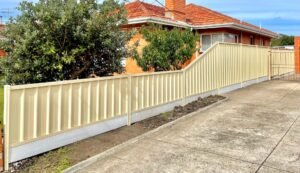
Fencing gap fillers are materials that close the spaces in or under your fence. You can use them between fence panels, under the bottom rail, along retaining walls, or between different fence types. They can be solid panels, slats, infills, or purpose made inserts that match or complement your existing fence.
They are used with Colorbond, aluminium slat, timber, PVC, composite, pool fencing, security fencing, and even along retaining walls. The goal is simple, stop the gaps that affect privacy, security, and presentation.
Why Gap Fillers Matter For Perth Properties
Privacy You Can Rely On
If you have small openings in your fence, you do not have real privacy. Gap fillers block those sightlines so neighbours, passers-by, or people in nearby buildings cannot see straight into your yard, alfresco, pool, or staff areas.
For homes, that means your family can relax in the backyard without feeling watched. For commercial sites, it separates customer or staff areas from public view and helps present a tidy perimeter. For new developments, properly finished fencing with gap fillers adds a sense of quality from day one.
Better Security And Control Of Access
Any gap is an invitation. Kids, pets, and unwanted visitors all look for the weak spot, and so does the wind. Gap fillers close off the spaces that make it easy to slip through, reach under, or pull at the bottom of a panel.
On residential fences, that means fewer escape routes for pets and a stronger barrier along laneways, parks, or side boundaries. On commercial and industrial fences, gap fillers help reduce reach through points along security fencing and around automated gates.
If you are planning new fencing, pairing gap fillers with strong materials such as Colorbond or aluminium is a smart way to build in security from the start. You can read more about those fence types in guides like types of fencing for Perth homes.
Protecting Your Fence From Perth Weather
Perth wind loves a gap. Openings under or between panels can create pressure points, rattle panels, and speed up wear and tear. Gap fillers help stabilise panels, reduce movement, and stop debris from building up where it can trap moisture.
When you combine the right gap filler material with a durable fence type, such as Colorbond fencing or aluminium slats, you get a cleaner, more weather resistant barrier that holds its shape for longer.
Sharper, More Professional Appearance
A fence full of gaps always looks unfinished. Gap fillers create a continuous line, hide uneven ground, and tie mixed materials together so the whole boundary looks deliberate, not patched.
For homeowners, that improves curb appeal and makes outdoor areas feel more complete. For developers and commercial owners, a fully sealed fence line sends a clear message about quality, security, and care for the property.
Common Problems That Fencing Gap Fillers Solve For Perth Properties
1. Unwanted Visibility And Lost Privacy
Those small spaces between or under fence panels look minor, but they create clear sightlines straight into your property. For homeowners, that can mean neighbours seeing into your patio, pool, or kids’ play area. For commercial and industrial sites, customers, staff, or people on the street can see storage yards, bins, or back-of-house areas you would rather keep out of view.
Gap fillers close these sightlines. By sealing the vertical joints, under-fence gaps, and transitions along retaining walls, you get a proper privacy barrier instead of a patchy screen. If privacy is a big priority, pairing solid gap fillers with a robust fence style, such as Colorbond or aluminium slats, is a smart move. You can compare those fence types in more detail in this guide on Colorbond versus timber fencing in Perth.
2. Gaps For Pests, Pets, And Debris
Openings at the bottom of a fence are a highway for pests, rubbish, and wandering pets. Leaves, sand, and debris collect under the panels, which makes cleaning harder and can trap moisture along posts and rails. Small animals and snakes look for these weak spots too, especially around retaining walls and uneven ground.
Gap fillers create a clean, continuous barrier at ground level. That helps keep pets in, pests out, and reduces the constant sweep up of mess that blows through or under the fence. For developers and commercial owners, this also helps keep common areas, visitor parking, and loading zones tidier with less ongoing labour.
3. Security Weak Points In The Fence Line
From a security point of view, any gap is a weak point. It can be used to reach through to locks, push tools under, or create leverage to lift a panel. Around commercial yards, warehouse perimeters, or side access to homes, these small openings make the whole fence feel less secure.
Gap fillers harden the fence line by removing easy access points along the bottom, between posts, and around gates. When you combine them with proper security fencing, such as garrison or chainmesh with a solid plinth or infill, you get a clearer separation between public and private areas and fewer opportunities for unwanted entry.
4. Reduced Durability In Harsh Perth Weather
Perth wind, sun, and coastal air will quickly find any weakness in your fence. Gaps allow wind to rattle panels, which loosens fixings over time. Debris that settles in open spaces holds moisture, which speeds up corrosion, rot, and general wear.
Well fitted gap fillers stabilise the fence structure. They limit panel movement, stop rubbish building up under the fence, and help spread loads more evenly along posts and rails. For multi lot developments and commercial sites, this means fewer repairs, fewer call backs, and a cleaner finish that still looks solid years after installation.
Types of Fencing Gap Fillers Suitable for Perth Properties
Once you know you need to close the gaps, the real decision is what to fill them with. The right material has to suit Perth’s climate, your fence style, and how much maintenance you are willing to do.
Colorbond Steel Inserts
Best for: Privacy, security, low maintenance, matching existing Colorbond fencing.
Colorbond gap fillers are steel inserts or plinth style sections that sit under or between panels. They are tough, resist warping, and handle Perth’s sun and coastal air well. If you already have Colorbond fencing, matching colours is simple, especially if you are choosing from a wide palette similar to what you see on dedicated Colorbond guides, such as Colorbond fencing colours.
Pros: Very durable, low maintenance, strong for security, clean modern look.
Cons: Less forgiving on very uneven ground, not ideal if you want a softer, natural look.
Aluminium Slats
Best for: Modern homes, commercial frontages, controlled privacy with airflow.
Aluminium slat gap fillers suit properties that already use slat fencing or want a sleek, architectural finish. You can vary spacing, orientation, and colour, so they work across residential, commercial, and multi unit projects. Aluminium handles Perth’s heat and coastal conditions well, with minimal upkeep. For a deeper look at slat systems, you can refer to guides such as aluminium slat fencing in Perth.
Pros: Very low maintenance, light but strong, modern look, good for custom designs.
Cons: Not as solid as steel for high security, can show marks if knocked hard.
Timber Infills
Best for: Natural aesthetic, blending with landscaping or timber fences.
Timber infills add warmth and suit character homes, landscaping focused projects, and mixed material fences. They can be used as plinth boards under fences or vertical infills between posts.
Pros: Natural look, easy to cut on site, good visual blend with gardens.
Cons: Higher maintenance, vulnerable to rot and movement if not sealed and maintained, less ideal in exposed, harsh locations.
PVC Gap Boards
Best for: Low maintenance privacy where you want a clean, light look.
PVC boards and infills are light, moisture resistant, and do not need painting. They suit residential boundaries, pool areas, and some commercial spaces where you want a softer, non metallic feel.
Pros: No rust, low maintenance, consistent colour, good for humid garden zones.
Cons: Can look less premium if not paired carefully with the main fence, not as robust as steel for impact or security.
Composite Gap Fillers
Best for: Eco conscious projects, premium residential, and developments that want a timber look without the ongoing work.
Composite materials use a blend of fibres and polymers to mimic timber, with less maintenance and improved stability. For Perth, this means less warping and splitting in the heat compared with standard timber.
Pros: Long lasting finish, lower maintenance than timber, often contains recycled content so it aligns with sustainability goals.
Cons: Higher upfront cost, needs correct framing and fixings to perform well.
For eco focused projects, look for gap fillers that use recycled metals, sustainably sourced timber, or composite products with documented recycled content. Pair them with long lived fence systems such as Colorbond or aluminium so you are not replacing materials every few years and sending more waste to landfill.
Choosing the Right Gap Fillers for Your Specific Property Needs
Picking gap fillers is not just about plugging a hole. The right choice depends on how you use the space, what your fence is made from, and how much time you want to spend looking after it.
Step 1: Get Clear On Your Priorities
Before you even look at materials, decide what matters most for your property.
- Privacy: If you want zero sightlines, go for solid fillers such as Colorbond inserts, composite boards, or PVC plinths. Slats can work if you are happy with filtered views.
- Security: For laneways, commercial yards, and side access, choose strong, rigid materials such as steel or heavy aluminium. Avoid anything flimsy at ground level.
- Visual appeal: Modern homes pair well with Colorbond, aluminium slats, and composite boards. Character homes or leafy blocks often suit timber or timber look composites.
- Maintenance: If you are busy, stay with low upkeep options such as Colorbond, aluminium, or quality composite. Timber looks great but needs regular sealing and checks.
- Budget: Use this as the tie breaker. If cost is tight, focus gap fillers on the highest impact zones first, such as street frontages and entertaining areas.
If you are still weighing up your main fence style, it can help to read broader guides such as Colorbond versus timber fencing so your gap fillers and fence work together.
Step 2: Match Gap Fillers To Your Property Type
- Homeowners: Prioritise privacy and looks around patios, pools, and backyards. Colorbond inserts, PVC boards, and aluminium slats often give the best mix of privacy and low maintenance.
- Developers and builders: You need consistency across multiple lots. Choose systems that are quick to install, easy to repeat, and available in bulk, such as Colorbond plinths or standardised aluminium slat infills.
- Commercial and industrial owners: Focus on security and durability. Steel plinths, heavy gauge slats, and solid infills along chainmesh or garrison fencing give stronger boundary control.
Step 3: Measure Your Gaps Properly
Good measuring saves headaches on site.
- Measure in several spots: Ground levels in Perth are rarely perfectly even. Measure the gap at both ends of each bay and in the middle so you know the highest and lowest points.
- Note the fence layout: Record the distance between posts, the height of the bottom rail, and any retainers or step downs.
- Allow for expansion: Materials such as PVC, composite, and aluminium can move slightly with temperature. Leave appropriate clearances as specified by the product supplier.
Step 4: Check Compatibility With Your Existing Fence
You will save time and money if the gap filler system is designed to work with your fence type.
- Material match: Colorbond fences pair best with Colorbond style gap inserts. Aluminium slat fences suit matching aluminium infills. Mixing materials is fine if you do it deliberately, for example composite boards framed in steel.
- Fixing points: Confirm how the filler will attach. Will it slot into channels, screw to posts, or sit behind the fence on brackets. You want secure fixing without creating rust points or visible clutter.
- Style continuity: Keep lines, colours, and profiles consistent so the fence looks designed, not patched. If you are unsure, look through a project gallery such as the one on Stag Fencing’s site to see how different systems can tie together.
The right gap filler feels like part of the original fence. When you match privacy needs, security level, style, and maintenance expectations to the right material and a proper measure up, you end up with a fence line that looks clean, performs well, and does not need constant attention.
Installation and Maintenance Tips for Long-lasting Fencing Gap Fillers
Good gap fillers are only as strong as their installation. If you get the fit and fixing right from day one, you avoid rattling panels, sagging plinths, and constant touch ups.
DIY Or Professional Installation?
You can install many gap fillers yourself if you are comfortable with basic tools and accurate measuring. Straight Colorbond inserts, PVC plinths, and simple aluminium slats are usually manageable for a confident DIYer.
Bring in a professional if you have:
- Uneven or sloping ground that needs stepped or custom cut fillers
- Integration with retaining walls, pool fencing, or security fencing
- Large developments or commercial perimeters where speed and consistency matter
If you are already engaging a contractor for new fencing, it usually pays to have them handle the gap fillers at the same time. You can see what a full supply and install service looks like in guides such as fencing installation services.
Best Practices For A Solid Installation
Whether you tackle it yourself or use a contractor, stick to a clear process.
- Prepare the fence line Clear vegetation, debris, and old infills. Check posts are firm and panels are secure before you add anything new.
- Dry fit first Sit plinths or inserts in place without fixing. Check levels, clearances, and how they meet posts, retaining walls, or gate frames.
- Use the right fixings Match screws or brackets to the material and environment. For metal, use appropriate coated or stainless fixings. For timber and composites, pre drill where required to prevent splitting.
- Seal problem zones At retaining wall joins or tight corners, use suitable sealants or trims if needed so small wedges of light or movement do not appear later.
- Allow for movement PVC, composite, and aluminium can expand and contract. Follow product guidelines for expansion gaps so boards do not bow or jam.
Maintenance By Material
Once installed correctly, good gap fillers should not take much of your time, especially if you chose low maintenance options in the first place.
- Colorbond and steel inserts Rinse with water when you wash the rest of the fence. Check for scratches or exposed metal at least once per season. Touch up with compatible paint where the coating is damaged.
- Aluminium slats Hose dust and cobwebs off, and wipe with mild soapy water for built up grime. Check brackets and screws around high traffic areas and gates so nothing works loose.
- Timber infills Inspect for cracking, warping, and rot at ground contact points. Re coat with oil, stain, or paint on a regular cycle that suits your product. Keep soil and mulch off direct contact with timber edges.
- PVC boards Clean with water and a soft brush. Avoid harsh solvents. Watch for UV chalking or brittleness in very exposed spots and replace any sections that start to fail.
- Composite boards Treat much like a low maintenance deck. Sweep off debris, clean with mild detergent, and check fixings. Look for any early signs of swelling at cut ends and address drainage if needed.
Dealing With Weather Damage And Fatigue
Perth conditions test every fence. Build a simple inspection habit.
- After strong winds, walk the fence line and listen for rattles or movement when you press on fillers
- After heavy rain, look for pooling water around plinths and posts and improve drainage if water sits against your fillers
- In high sun exposure, watch for colour fade, warping, or hairline cracks, especially on timber and lower quality plastics
When you spot an issue early, remove and refix a single filler or section rather than ignoring it until a whole bay shifts. If repeated issues appear, you may need a more robust system or better support structure, which is where a specialist installer or a full fence review, such as a Colorbond fence installation upgrade, can make sense.
Simple rule: keep the fence line clear, fix small problems quickly, and use quality materials at the start. Do that, and your gap fillers will keep doing their quiet job for a long time.
Benefits of Investing in Quality Gap Fillers for Perth Properties
When you use decent materials and install them properly, fencing gap fillers stop being a “nice extra” and start becoming one of the smartest upgrades you can make to a Perth fence line.
Stronger Privacy And Security
Quality gap fillers turn a see through fence into a genuine barrier. Solid inserts at ground level and between panels cut sightlines into backyards, pool areas, carparks, and storage zones. That means less visual access to your family, staff, and assets.
On the security side, rigid steel, aluminium, or composite fillers remove the weak spots people try to crawl under, reach through, or pry open. When you pair them with proper security fencing, such as systems similar to what you see on dedicated security pages like commercial security fencing, you get a fence line that is much harder to test.
Cleaner, Higher Value Street Appeal
Gaps make even an expensive fence look cheap. A continuous base or neatly finished infill along the posts creates a clean edge that frames your garden, driveway, or commercial frontage.
For homeowners, that boosts curb appeal and helps your property present well to buyers or valuers. For developers and commercial owners, a tidy, fully sealed boundary signals quality and care, which supports leasing, sales, and brand perception.
Better Compliance With Local Rules
In many parts of Perth, fencing, retaining walls, and pool barriers all intersect with local regulations on height, climbability, and safety. Poorly handled gaps can create unintentional step points or climb rails.
Quality, purpose made fillers help you finish the fence to a consistent height and reduce footholds, which supports compliance across boundary fences, retaining interfaces, and pool zones. If you are checking the bigger picture on heights, a broader guide such as fence height regulations for Perth homeowners can help you plan before you build.
Less Upkeep And Longer Fence Life
Good gap fillers save you work for years. Durable materials such as Colorbond, aluminium, PVC, and quality composites resist warping, rot, and rust. They block debris from packing under panels, reduce movement in the wind, and protect the vulnerable bottom edge of your fence.
That means fewer repairs, less repainting, and less time clearing rubbish that has blown under the fence and into your yard, carpark, or common areas.
A Safer, More Comfortable Property
By closing off low gaps and awkward openings, you lower the risk of kids or pets squeezing through, and reduce the chance of unwanted animals entering. You also create more comfortable outdoor spaces, since protected, private areas feel calmer and more usable.
Bottom line, investing in quality, weather ready gap fillers is not just about hiding a gap. It is about privacy, security, compliance, and long term value for your Perth property, whether you live in it, lease it, or build it for someone else.
Finding Reliable Suppliers and Services for Fencing Gap Fillers in Perth
Good gap fillers are only half the story. The other half is who supplies and installs them. In Perth, you want people who understand local soil, wind, coastal exposure, and the way residential, commercial, and development projects actually run.
What To Look For In A Gap Filler Supplier
When you compare suppliers, use a simple checklist rather than glossy claims.
- Product quality Ask what brands and materials they use for steel, aluminium, PVC, timber, and composite gap fillers. Look for corrosion resistance, UV stability, and systems that are purpose made for fencing, not generic building offcuts.
- Range of options A good supplier can match Colorbond, aluminium slats, pool fencing, retaining wall systems, and security fencing. This matters if your property mixes materials or you run multi stage developments.
- Perth specific knowledge They should talk easily about wind zones, soil movement around retaining walls, and coastal exposure. Cross check this with broader fencing advice on resources such as the Stag Fencing main site.
- Clear documentation Look for spec sheets, install guides, and maintenance instructions, not just a verbal promise that it will be “fine”.
The right supplier makes it easy to choose the right system, not just the one they have in stock.
Choosing A Professional Installer Who Knows Gap Fillers
If you want a clean finish on the first go, pick an installer who treats gap fillers as part of the fence system, not an afterthought.
- Relevant project experience Ask what percentage of their work involves Colorbond, slat, retaining wall interfaces, or security fencing. You want someone who regularly finishes fence lines with plinths and infills, similar to specialist contractors you see in areas like Colorbond fencing in Perth’s southern suburbs.
- Residential, commercial, and development capability Homeowners need tidy finishes and good communication. Developers and builders need scheduling, staging, and consistent results across multiple lots. Commercial owners need tight security details and access coordination. Make sure the installer has run projects in your category.
- Measured, written quotes A proper installer measures fence bays, ground fall, and retaining wall heights, then specifies the gap filler materials and fixing methods in writing.
- Timely delivery and realistic timeframes For active sites and busy homes, timing matters. Ask about lead times, how they handle bad weather, and what happens if materials are delayed.
Red Flags To Avoid
- Vague material descriptions such as “metal boards” or “plastic inserts” with no brand or spec
- No site visit for anything more complex than a straight, flat run
- Quotes that only mention “fence” with no separate detail for gap fillers, plinths, or infills
- Reluctance to explain fixing methods around retaining walls, pool fencing, or automated gates
Bottom line, a reliable Perth supplier or installer understands that gap fillers are structural, visual, and security components. When they talk confidently about materials, fixing details, and timelines, and back it with clear documentation and fair pricing, you are on the right track for a smooth fencing upgrade.