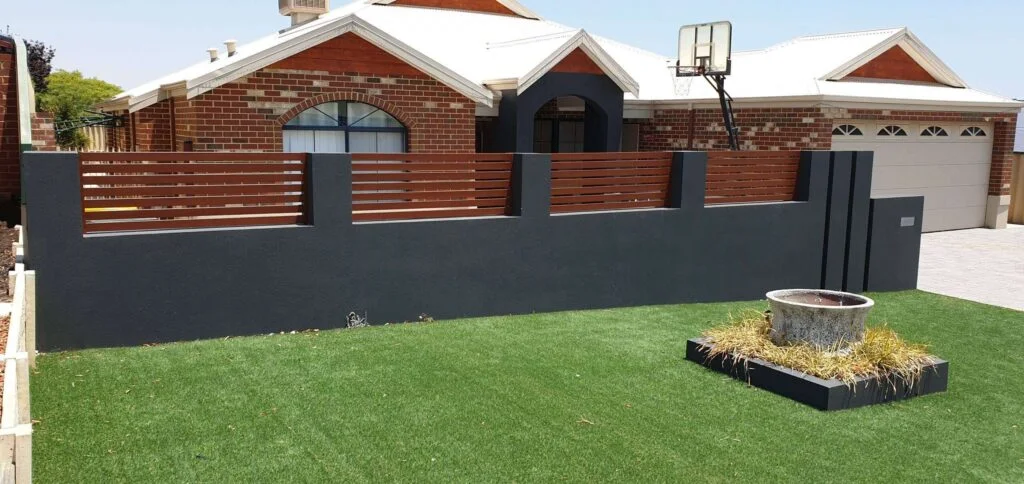
Fence height regulations sound dry until you hit your first complaint from a neighbour, get a call from council, or find out your brand new fence has to be cut down. If you own or manage property in Perth, understanding how fence height rules work will save you money, stress, and a lot of back and forth with approvals.
In Australia, and especially around Perth, fence height is not something you guess. Local councils, state laws, and building codes all set clear limits on how high you can build, where, and for what purpose. Those rules change depending on whether the property is a family home, a new residential development, a warehouse, or a busy commercial frontage.
This guide walks you through fence height regulations with a practical Perth focus, so you can plan the right fence the first time.
What fence height regulations actually are
Fence height regulations are the rules that control how tall your fence can be, and in some cases, how it must be built. They usually cover things like:
- Maximum height along side, rear, and front boundaries
- Different limits for solid fences compared with open style fences such as slats or tubular designs
- Extra rules where there is a pool, corner lot, driveway, or busy road
- Shared fences on common boundaries between private properties or strata lots
The idea is simple. Your fence should give you privacy, security, and a neat boundary, without blocking traffic sight lines, creating safety hazards, or starting long running boundary disputes.
For you as an owner, developer, or manager, that means any decision about height, style, and material needs to work inside those rules, not fight them.
Why fence height rules matter for Perth homeowners
If you are in a house, duplex, or townhouse, you probably care about three things. Privacy, security, and how your place looks from the street. Fence height affects all three.
Here is why the rules matter for you:
- Neighbour relationships. A fence that is too high or too imposing is one of the quickest ways to create friction over boundaries. Staying within typical residential limits gives you a clear starting point for any shared fence discussions.
- Renovation plans. When you freshen up your yard with Colorbond, slat fencing, or a new retaining wall, you want to know that what you are paying for is compliant. That way it will not have to be ripped out later.
- Pool safety. Where a pool is involved, height and design are directly tied to safety rules. You are not just dealing with privacy anymore, you are dealing with legal obligations to secure that area.
Most homeowners want a low maintenance solution that can handle Perth’s heat, wind, and coastal conditions. Choosing materials like Colorbond or aluminium slats is smart, but you still have to respect council limits on how high those panels go, especially at the front of your block or along a corner.
If you want a fence that works hard in the background and never attracts the wrong attention, compliance is the starting point.
Why developers and builders need to take fence height seriously
For developers and builders, fence height is not just a design detail, it is part of your project risk. You are working at scale, often across multiple lots and interfaces with public roads, parks, and shared driveways.
Fence height regulations affect you in areas such as:
- Estate guidelines and consistency. Many developments rely on consistent fence heights and styles to keep the streetscape clean and marketable. Those guidelines still need to sit within council and planning rules.
- Timeframes and approvals. If your fencing schedule depends on fast approvals, you want designs that sit comfortably inside known limits so you avoid redesigns, delays, or retrospective applications.
- Different zones on one site. A project might include residential lots, a communal pool, a retaining wall system, and a higher security boundary for plant or storage. Each one can have different allowed heights.
When you are juggling program, budget, and sales pressure, you do not want fencing to be the item that drags you into disputes or extra rounds with planners. Working with installers who understand Perth regulations and can design within those boundaries, such as a specialist contractor like Stag Fencing, keeps this part of the job clean and predictable.
Why commercial and industrial properties cannot ignore fence heights
If you manage or own commercial or industrial property, security is usually your top priority. You might be dealing with high value stock, frequent deliveries, high public visibility, or all of the above.
It is tempting to simply go as high and as solid as possible, but height regulations still apply, even for security fencing. You need to consider:
- Visibility for traffic. Corner sites, driveways, and laneways often have lower maximum heights near crossovers so drivers and pedestrians can see clearly.
- Public interface. Frontage to busy streets or retail areas often has different rules to the rear industrial boundary. Councils may prefer more open styles on public faces.
- Access control. Once you add gates, especially automated ones, you step into requirements around safe operation and clearances, not just height.
Getting this right lets you build strong, secure fencing without repeated permit headaches. It also helps you choose materials and designs that look professional, not harsh or out of place for your area.
The real benefits of compliant fence heights
You do not follow fence height regulations just to tick a box. When you design inside the rules, you set yourself up for long term peace of mind and a better finished result.
1. Legal and financial peace of mind
- No surprise tear downs. If your fence is too high, you can be ordered to cut it down or remove sections. That means paying twice for the same boundary.
- Cleaner sales and valuations. Non compliant structures can slow down property sales, cause questions in building reports, or push buyers to renegotiate.
- Lower dispute risk. When your fence matches recognised heights, it is much easier to resolve cost sharing or boundary discussions with neighbours and strata bodies.
2. Better security and privacy outcomes
Within the legal height limits, you still have room to design a fence that works hard for you.
- Smart material choice. Colorbond, aluminium slats, garrison, or chainmesh all perform differently at the same height. You can balance visibility, airflow, and security without needing to go higher than allowed. You can explore options through specialists in security fencing and residential systems.
- Strategic placement. Even when height is capped, you can use screens, planting, and stepped sections on sloping blocks to achieve privacy where you need it most.
3. Stronger street appeal and property value
A compliant fence that suits your property type instantly lifts the look of your home or commercial site. It feels intentional instead of thrown together.
- Consistent streetscapes. In residential areas, matching typical front and side heights helps your home sit neatly with neighbouring properties.
- Professional frontage. For businesses, a correctly proportioned fence frames your building instead of dominating it. That encourages trust and gives visitors a clear sense of entry and security.
- Durable, low maintenance finishes. When you plan height, material, and location together, you can pick systems that handle Perth’s climate without constant repair work.
If you take one thing away, let it be this. The best fences in Perth do three things at once. They sit inside local height rules, they work hard for privacy and security, and they look like they were always meant to be there. The rest of this guide will walk through how to do that for your specific type of property.
Who actually controls fence height rules in Perth
Fence height regulations in Perth sit under a few different authorities that all overlap. If you want a fence that is compliant from day one, you need to know who controls what.
Key players you need to know
- Local councils. Your local council is usually the front line for fence height rules. They apply planning schemes and local laws that set typical maximum heights for front, side, and rear boundaries, and they manage development or building applications that involve fencing.
- State planning and building rules. Western Australia has planning policies and building standards that sit over the top of council rules. These cover things like safety, structural performance, and minimum requirements for specific uses such as pools.
- Building Codes. Where a fence is high, retaining soil, near a pool, or tied into a structure, parts of the Building Code can apply. This is where you move from just “a fence” into “building work” that must meet recognised construction standards.
- Strata bodies. If you are in a strata complex, the Strata Titles Act and your scheme by laws can control height, style, and materials on shared or visible fencing.
Each of these groups looks at the same fence from a slightly different angle. Council cares about height, appearance, and impact on the street. Building rules care about safety and structural integrity. Strata cares about consistency, value, and harmony between owners.
How local councils shape fence height requirements
In practical terms, your local council is the place you start. They set the day to day limits most owners and builders work within.
Typical council rules you will run into
While details vary from one area to another, you will usually see rules along the lines of:
- Different limits for front and side boundaries. Front fences are often shorter, with stronger expectations around open or visually permeable designs. Side and rear fences can usually be higher because they affect privacy more than streetscape.
- Special controls near corners and driveways. Corner lots, laneways, and driveways often have strict height controls over short lengths of fence so drivers and pedestrians can see clearly.
- Height allowances on top of retaining. If your block is on a slope and you need a retaining wall with a fence on top, the combined height can trigger extra rules or require a building application.
- Material and style guidelines. Some councils discourage solid, high masonry walls on front boundaries, or prefer materials that suit the established character of the area.
If your design sits comfortably inside these typical heights and patterns, you usually avoid extra approvals and build under standard arrangements. Once you push higher or change the character of the fence significantly, you move into application territory.
Different expectations for different users
Councils also view fence height through the lens of how the land is used.
- Residential. The focus is on neighbour amenity, privacy, and safe, attractive streetscapes. Heights are controlled so houses feel connected to the street, not walled off from it.
- Commercial. Councils balance security with public appearance. In busy or retail areas, they often prefer more open fences and screens at the front, with higher and more secure fencing at the rear.
- Industrial and infrastructure. There is usually more tolerance for higher fences, garrison or chainmesh systems, and security features, but visibility at crossovers and intersections is still a non negotiable.
- New developments. Subdivisions and new estates often have fencing guidelines that sit over the top of council rules. These might fix the exact height, material, and colour for side and rear boundaries.
If you are planning a larger development, it is worth locking in compliant standard details for Colorbond boundary fences and any retaining or acoustic walls at subdivision design stage, rather than trying to fix conflicts once buyers move in.
Where the Building Code steps in
Not every fence is treated as “building work”, but once you pass certain thresholds, the Building Code becomes part of the conversation.
Situations that trigger Building Code requirements
As a practical guide, you are more likely to deal with building standards in these situations:
- Very tall fences. High fences, security barriers, or acoustic walls can be treated like minor structures that must resist wind loads and impact. That affects post sizing, footing depth, and materials.
- Fences on or above retaining walls. If a retaining wall holds back soil and a fence sits on top, the combined height and load nearly always require engineering input and compliance with structural provisions.
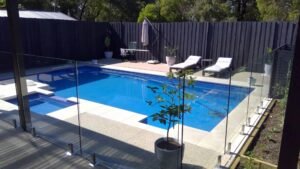
- Pool and spa barriers. Pool fencing is not just about height. It must meet strict safety rules around gap sizes, climb points, latch heights, and gate operation. Products like frameless glass pool fencing or aluminium pool fences are specifically designed to fit into that framework when correctly installed.
- Integrated gates and automation. Large automated gates on high security fences can fall under mechanical and safety provisions. That covers things like crushing hazards, emergency release, and structural stability.
For you as the owner or builder, this means two simple things. Do not guess structural design for big or complex fencing, and treat pool fencing as safety infrastructure, not just decor.
How the Strata Titles Act affects fence heights
If your property is part of a strata scheme, you answer to more than just council. Strata law and by laws can be just as important as height limits in the planning documents.
Shared fencing inside strata schemes
Within a strata complex, fences do more than mark out boundaries. They separate private courtyards from common areas, set privacy levels between lots, and shape how the whole development feels from the street.
In that setting, the Strata Titles Act and your specific by laws can control:
- Standard fence height for private courtyards. Many schemes set a consistent fence height for rear or side courtyards so one owner cannot unreasonably over shadow the next.
- Materials and colours. You might be required to use the same Colorbond profile and colour, or the same aluminium slat style, to keep the development looking cohesive.
- Approvals for changes. Any increase in height on a boundary or replacement of a front fence might need formal approval from the strata council before you go near council or a fencing contractor.
Strata rules sit alongside council height limits, they do not replace them. You need to satisfy both. That is why a quick conversation with your strata manager before you sign a fencing quote is always worth the effort.
How this plays out for different property types
Residential homeowners
As a homeowner, you will mostly deal with local council rules, the neighbouring owner, and, if relevant, pool barrier standards. Your checklist usually looks like this:
- Confirm standard front, side, and rear height limits for your specific zoning.
- Check if your lot is on a corner, near a laneway, or next to public open space, because that often changes what you can do at the boundary.
- Review pool fencing requirements if you have a pool or plan to install one, especially if you want modern options such as frameless glass or aluminium tubular fencing.
- Clarify responsibility and cost sharing on common boundary fences with neighbours.
Developers and builders
If you are delivering multiple dwellings or a new subdivision, you sit right at the intersection of planning, engineering, and market appeal. Your fence height planning usually includes:
- Standard details for side and rear Colorbond fences that comply with council limits.
- Coordinated designs for front fencing that sit within local height and visual permeability rules.
- Engineered designs for any retaining wall and fence combinations, often using systems such as retaining walls integrated with fencing on top.
- Clear guidelines in sales contracts and building documents so buyers understand what they can and cannot change about fence heights after settlement.
Commercial and industrial property owners
On commercial and industrial sites, you are usually pushing height for security, but you still need to work inside the framework described above. That often means:
- Checking maximum heights on street frontages and near vehicle access points.
- Choosing security systems such as garrison fencing or chainmesh that deliver strength at allowed heights.
- Making sure any very tall or climb resistant fences have proper footing design to satisfy structural expectations.
- Coordinating with adjoining landowners where a tall security fence also acts as a boundary fence.
If you keep these governing bodies and requirement layers in mind from the start, you avoid the expensive part of fencing, which is not the material, it is doing the same job twice because the first version did not meet the rules.
Fence height limits by property type in Perth
Fence height rules shift quite a bit depending on whether you are fencing a family home, a strata courtyard, a warehouse, or a commercial frontage. You will also hit different limits when there is a pool, a retaining wall, or a security requirement involved.
Rather than chasing a single “legal height”, it is smarter to understand how councils usually treat each type of property and fence. That way you can choose a height and material that fits your site, your goals, and the rules in your part of Perth.
Typical residential fence height limits
For most standalone homes, duplexes, and townhouses, councils use different height expectations for the front boundary compared with the side and rear boundaries.
Front fences to the street
The front fence is about street presence and visibility as much as privacy. Councils often:
- Cap the maximum height along the front boundary so homes do not look like compounds.
- Limit how solid the fence can be by requiring a visually permeable upper section, or by encouraging open styles such as aluminium slats, tubular panels, or low masonry with infill panels.
- Apply stricter rules on corners so sight lines at intersections and crossovers stay clear.
If you want a taller front fence for privacy, you usually need to work with partial transparency. For example, a low masonry base with taller open panels in aluminium slats gives you a sense of enclosure without breaching common visibility rules. Custom styles such as frameless batten fencing also work well where you need height and airflow without a solid wall.
Side and rear boundary fences
Side and rear fences carry most of the load for backyard privacy. Councils are typically more relaxed here, within reason. You will usually see patterns such as:
- Higher maximum heights allowed for side and rear boundaries compared with the front.
- More freedom of material choice, including solid systems such as Colorbond fencing that give full visual privacy.
- Shared responsibility with your neighbour, where both parties are expected to work within the standard height range unless you both agree to an increase and council approves it.
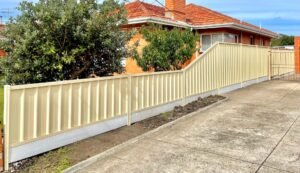
Colorbond and similar solid panels are popular on these boundaries because they give consistent height, low maintenance, and predictable performance in Perth’s wind and heat. As long as you stay inside your local council’s standard height range, you normally avoid approvals and disputes.
Properties with pools or near waterways
Once you introduce a pool, spa, or certain types of water bodies, fence height stops being just a privacy issue and becomes a safety and compliance issue.
Pool fencing height and layout
Pool barriers must comply with specific safety standards that cover both height and design. As a rule of thumb, expect:
- A minimum compliant height for the pool barrier, measured from finished ground level.
- Limits on climb points, which affect how you position horizontal rails, decorative features, and even nearby furniture or landscaping.
- Requirements for gates, including self closing and self latching, with the latch set at a defined height or protected position.
If your boundary fence doubles as a pool barrier, it needs to meet those pool rules as well as standard boundary height rules. Many owners choose systems purpose built for this, such as compliant pool fencing in aluminium or frameless glass, to avoid guesswork.
Near waterways or drainage areas
Land that backs onto public open space, drainage reserves, or foreshore areas often carries extra conditions such as:
- Controls on height and solidity, to maintain passive surveillance and visual connection to public areas.
- Restrictions on solid walls where they might impact flood behaviour, drainage, or coastal processes.
- Requirements for open style fencing such as tubular or chainmesh, to allow visibility and airflow.
Before committing to a tall, solid backyard fence near a waterway or drainage corridor, check your title documents and council guidelines. Many of these sites have specific fencing conditions baked into the original subdivision approvals.
Commercial and industrial fence height expectations
Commercial and industrial owners usually want strong perimeter security. Councils and codes recognise that, but still draw a line on height, visibility, and how those fences meet public spaces.
Street frontages to shops and offices
On commercial frontages that face public streets, car parks, or pedestrian areas, height rules often reflect a balance between security and appearance. Common patterns include:
- Moderate maximum heights on front fences so the building, signage, and entrances stay visible.
- Preference for open styles such as tubular, slat, or blade systems instead of solid walls, especially near footpaths.
- Reduced heights near driveways so vehicles and pedestrians can see each other clearly.
For these sites, many owners pair a moderate height front fence with secure gates that can be closed after hours. Systems such as sliding gates or swing gates give controlled access without needing an excessively tall front barrier.
Industrial and warehouse perimeters
Industrial and logistics sites tend to sit in zones that are more flexible about fence height, especially at the rear and side boundaries. You will often see:
- Higher fences allowed along side and rear boundaries using garrison, chainmesh, or similar security systems.
- Barbed or razor wire restrictions, usually linked to a minimum fence height and specific zoning conditions.
- Visibility controls near corners where high solid fences are not accepted within a certain distance of intersections or crossovers.
Even when high security systems are allowed, very tall fences typically need proper structural design. Wind loading in exposed industrial areas can be significant, so footing depth, post size, and bracing move out of “handyman job” territory and into engineered work.
Boundary fences and shared responsibilities
Boundary fences sit at the intersection of private rights, council rules, and neighbour relationships. Height is part legal limit, part negotiation.
Standard boundary fence heights
Most councils and fencing laws recognise a “usual” or “sufficient” height range for boundary fences between private properties. Inside that range, it is generally assumed that both neighbours contribute and accept the outcome, provided the fence is in reasonable condition and made of typical materials for the area.
If you want to go above what is usually considered standard, you often have two hurdles.
- Your neighbour’s agreement, especially if the higher section sits on the common boundary and changes their privacy or access to light.
- Council acceptance, which can require a planning or building application once you exceed the height that is normally treated as “as of right”.
For new builds and subdivisions, many developers set a consistent boundary fence height in Colorbond or similar, so each lot owner starts from the same baseline, and disputes are reduced.
Internal fences in strata and developments
Within strata complexes and planned estates, internal boundary heights are often locked in by by laws or estate guidelines. These can specify:
- Exact heights for courtyard dividers and rear boundaries.
- Approved materials and colours such as specified Colorbond colours, aluminium slat styles, or blade profiles.
- Limits on extensions such as lattice or screens added above the main fence line.
Even if the council would tolerate a higher fence, you still need to respect those internal rules. Treat strata and estate guidelines as the first filter, then check council requirements on top.
Retaining walls and fence height combinations
Retaining walls can complicate fence height very quickly. Councils and building rules usually look at the combined height of the wall and the fence when they decide what is acceptable.
How combined heights are assessed
Two key concepts matter here.
- Structural impact. A retaining wall that holds back soil already carries significant load. Add a tall fence on top and you introduce extra wind and lateral forces. At a certain point, this stops being a simple fence and becomes a structure that requires engineering and possibly a building permit.
- Perceived height. From the lower neighbour’s side, the fence height is measured from their ground level, not from the top of the retaining wall. A moderate fence on a tall wall can feel like a high barrier and may breach standard visual bulk expectations.
Typical council approaches include:
- Limiting the combined wall and fence height within certain thresholds before an application is required.
- Requiring structural design and certification for walls that carry fences, especially on boundaries.
- Encouraging stepped or terraced solutions on steeper sites rather than one tall wall with a very high fence on top.
Choosing retaining wall systems that work with fences
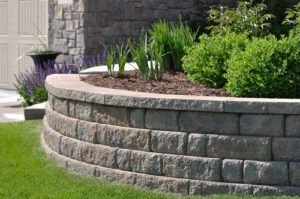
If you know you will need a fence above a retaining wall, it pays to select wall systems designed for that purpose. Options such as Alumawall sleepers or Fibrewall retaining systems are built with integrated posts or provisions for fencing. That simplifies compliance and reduces the risk of movement when Perth’s soils shrink, swell, or get saturated.
The practical rule is simple. Treat any combination of “retaining plus fence” as one structure. Check the total visible height against your council’s guidelines and make sure the structural design matches the loads you are actually putting on that boundary.
Security fencing specifications by use
Security fencing often pushes right up against the highest heights allowed for a particular zone, but height is not the only factor. Councils and codes also care about how that height functions.
Security fence design typically considers:
- Climb resistance, using vertical rods, blades, or mesh with small apertures.
- Visibility, so security cameras and neighbours or passers by can see through the fence where appropriate.
- Integration with access control, such as automated gates, sliding or swing mechanisms, and lock systems.
- Wind exposure, especially on taller fences or solid acoustic barriers along highways and open industrial estates.
In practice, that means you often choose the highest compliant height for the zone, then fine tune the style, material, and configuration to deliver real security value without stepping into non compliant territory.
If you think of fence height as one lever in a larger design, rather than the only solution, it becomes much easier to stay within Perth regulations and still get the privacy, safety, and visual result you are aiming for.
How fence height shapes privacy, security, and street appeal
Height is the first thing people notice about a fence, and it is usually the first thing council cares about too. The trick is to use height as a tool, not a blunt instrument. You want enough height for privacy and security, without creating an eyesore or a compliance headache.
Let’s break it down into what height actually does for you, and how you can work within Perth regulations while still getting the result you want.
Privacy: how much can people really see?
Privacy is not just about “higher is better”. It is about how someone standing at street or neighbour ground level can see into your property.
Fence height affects privacy in a few key ways.
- Direct line of sight. A taller solid fence blocks views into living areas, pools, and outdoor entertaining spaces. In Perth backyards, standard boundary heights in materials like Colorbond usually give full standing privacy for most people.
- Sitting versus standing. You might not need full height fencing everywhere. Around alfresco areas, a solid screen or slat fence at moderate height can block views to seating, even if someone standing next door can see the top of your yard.
- Front versus rear. Councils often restrict front fence heights and require more open designs. You can still improve privacy at the front, but you usually rely on a mix of moderate height fencing, strategic planting, and screening panels rather than one tall solid wall.
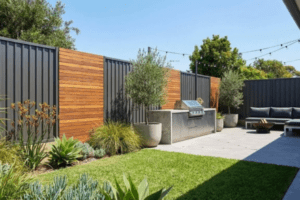
If privacy is your priority, you want to focus on where you need it most. For example, match standard height Colorbond along the main side boundaries, then add taller but compliant screens around specific areas like a deck or spa. Aluminium slats are ideal for this, because you can adjust spacing to let light and breeze through while blocking direct views.
For commercial and industrial sites, privacy sometimes means the opposite. You may want visibility through the fence for passive surveillance, but privacy for storage areas. In those cases, use lower or more open fencing at the public face, then higher, more solid solutions deeper into the site.
Privacy works best when you combine height, material, and layout, not just chase the tallest fence you can get away with.
Security: how height helps (and where it does not)
Security is often the reason people ask for the tallest fence possible. Height helps, but only when the design supports it.
Here is how fence height influences security.
- Perceived effort. A higher fence increases the effort needed to climb, especially with vertical designs such as blade or tubular fencing. That alone can deter casual access.
- Real climb difficulty. A tall fence that has horizontal rails, footholds, or nearby structures can be easier to climb than a slightly lower fence with clean vertical lines. For security, you want to remove easy hand or footholds and avoid nearby objects that can be used as steps.
- Visibility for security systems. On commercial and industrial properties, cameras often need clear lines of sight across the fence top. A very tall solid fence can create blind spots if you do not plan camera locations at the same time.
For homes, solid boundary fences at standard compliant heights usually give good day to day security when paired with secure gates and decent locks. You can lift performance further by choosing materials that are hard to cut or force, such as metal slats or quality steel security systems.
For higher risk commercial or industrial sites, you are often working with garrison, chainmesh, or blade styles at the upper end of allowed heights. In those cases, do not rely on height alone. Look at:
- Vertical bar or blade systems that are hard to grip
- Tight mesh or perforated panels that resist cutting
- Properly designed gate and gate automation so vehicles and pedestrians pass through secure points rather than around the ends of fences
The key point is simple. Height supports security, but only when the style, material, and access control match the risk level on your property.
Aesthetics: proportion is everything
A fence can be the best or worst thing that happens to your street appeal. The difference often comes down to proportion.
Height affects how “heavy” or “light” a fence feels.
- Too low and the fence looks like an afterthought. It can make larger homes or commercial buildings feel exposed or unfinished.
- Too high and the fence can dominate the building and streetscape, making your place look defensive or closed off. This is where you start to attract complaints and planning attention.
- In proportion and the fence frames the building. It marks the boundary cleanly without becoming the main attraction.
Council height limits exist partly to protect this balance, especially on front boundaries. Within those limits, you have plenty of room to get the look right.
Design strategies when height is limited
If you are hitting a maximum height limit and still want more privacy, security, or visual presence, design does the extra work for you.
Use transparency intelligently
Open and semi open designs let you work within height caps without creating a blank wall.
- Aluminium slats give you control over spacing. Tight spacing offers strong privacy in key zones, while wider spacing at the top keeps the fence feeling lighter and within visual permeability rules.
- Blade fencing, including radiator or designer blade ranges, can create privacy at certain angles while staying visually striking from the street.
- Perforated panels and products similar to perforated pool fencing can deliver both airflow and screening within the same height envelope.
Play with layers instead of pure height
You can often achieve more by layering elements at compliant heights, rather than pushing for one taller fence.
- Combine a standard height Colorbond or masonry base with light, open infills such as blades or slats on top.
- Use compliant privacy screens or trellises close to outdoor living areas instead of running a very tall fence the full boundary length.
- Introduce planting, such as hedges or shrubs, behind a standard fence to soften views and raise the sense of privacy without breaching hard height rules.
For developers, this layered approach lets you keep a consistent, compliant boundary height across multiple lots, then provide buyers with clear options for extra screening in defined zones.
Match style to building architecture
Height is only half the visual story. The material and style you choose should feel like an extension of the building, not a random add on.
- Modern homes pair well with clean lines such as aluminium slats, frameless style batten systems, and Colorbond in contemporary colours.
- Commercial facades look sharper when the fence echoes the vertical rhythm, colour, or material of the building’s cladding.
- Industrial sites benefit from robust, simple designs that look purposeful, not makeshift. Quality chainmesh or garrison at the right height does this better than a patchwork of different fences.
When the style and building work together, the fence can be visually strong without needing unnecessary extra height.
Materials and styles that work well within regulations
Some materials are naturally better suited to getting good privacy, security, and aesthetics inside Perth height limits.
- Colorbond fencing. Great for residential side and rear boundaries. It gives full visual privacy at standard heights, very low maintenance, and a wide range of colours. Paired with compliant heights, it is one of the simplest ways to tick privacy and durability in one go.
- Aluminium slat fencing. Perfect when you want a modern look at the front or visible parts of a property. You can meet council height and visual openness rules while still creating a sense of seclusion. For more tailored designs, specialist systems like custom aluminium slats give you plenty of control.
- Blade and batten fencing. Radiator or designer blade ranges give a premium look without feeling too heavy. At compliant heights, they offer both privacy and architectural interest, which suits higher end residential and commercial properties.
- Frameless and semi frameless glass. At pool barrier heights, glass delivers safety and a high end look without visually “raising” the space. You keep open views across the yard or to the street while meeting strict barrier requirements.
- Chainmesh and garrison. On commercial and industrial sites, these systems deliver strong security at allowed heights, while staying visually permeable where council wants surveillance and sight lines.
When you match the right material to a compliant height and a clear purpose, the fence starts working for you, rather than against you.
How height choices influence property value
Buyers and tenants might not quote fence regulations, but they feel the results the moment they arrive.
- Strong first impressions. A well proportioned, compliant front fence with a clear entry point signals that the property is looked after. That applies just as much to a small home as it does to a commercial office.
- Functional outdoor spaces. A backyard or courtyard that feels private and secure at legal heights is a real asset. People imagine themselves using those spaces, which supports perceived value.
- Low maintenance confidence. When a fence is built in recognised materials at known compliant heights, buyers trust it will not become an immediate problem with council or neighbours. That peace of mind matters during due diligence.
Height is one lever that runs through all of this. Get it right, and you can satisfy council, keep neighbours on side, protect your property, and present a clean, modern face to anyone who visits or inspects. Get it wrong, and the fence starts arguments, triggers approvals, and drags down the look of everything behind it.
If you view fence height as part of a bigger design decision rather than a last minute guess, you will find it much easier to line up privacy, security, and aesthetics in a way that works for your specific Perth property.
Common Restrictions and Conditions You Need To Watch For
Fence height is only half the story. Where you put that fence, what sits around it, and what kind of land you are on can trigger extra rules that catch a lot of people off guard. If you are in Perth and you want to avoid redesigns, stop work notices, or cutting down a brand new fence, you need to understand these common restrictions before you start.
1. Proximity to roads, footpaths, and driveways
Councils care a lot about how your fence interacts with roads and pedestrians. They are looking at safety, sight lines, and how closed off the street feels, especially on corner and high traffic sites.
Front boundaries to streets and verges
Even if your zoning allows a certain maximum height, councils often apply extra conditions where your fence meets a road reserve or footpath. Typical controls include:
- Setbacks from the front boundary, where higher or more solid sections must sit a short distance back from the boundary, with lower or open elements closer to the street.
- Limits on solid walls at the front, encouraging low walls with open infill, slats, blades, or tubular panels instead of a continuous solid barrier.
- Transitions at vehicle crossovers, where the fence height and solidity change next to your driveway to protect visibility.
For homeowners, this usually affects front Colorbond, masonry, or solid aluminium fencing. If you want privacy at the front, you often have to combine a compliant fence height with design tricks such as semi open tops, screens behind the main fence, or landscaping.
For commercial and industrial owners, you might be allowed a higher security fence overall, but still be pushed toward more open designs on street frontages, with solid screening kept further inside the site.
Corner lots and traffic sight triangles
Corner blocks and properties next to intersections always come with extra risk around sight lines. Councils normally define a “sight triangle” or “vision clearance area” at corners and crossovers and apply tighter fence controls inside that zone.
Inside those triangles, you will usually face:
- Reduced maximum heights for any structure, including fences, walls, and sometimes even dense planting.
- Higher transparency requirements, such as mandatory visually permeable panels or height caps that stop you from blocking views for drivers and pedestrians.
- Special rules for gates, including how far back they must sit from the boundary and which way they can swing so vehicles do not block footpaths while waiting for gates to open.
If your property sits on a busy corner and you want strong security, you are often better off accepting a lower, more open fence along the vision triangle, then stepping up to higher fencing outside that zone where rules are more relaxed.
Shared driveways, laneways, and battle axe blocks
Access legs and shared driveways create similar visibility issues. Councils usually want enough clear space so cars can see pedestrians and other vehicles when they pull out.
Restrictions here often look like:
- Lower heights or open fencing alongside the first section of the driveway.
- Controls on solid returns or wing fencing that sit near the verge.
- Conditions built into planning approvals that lock in specific fence alignments around the access leg.
When you are working on a subdivision, it pays to fix these details early. Lock in compliant fencing lines and heights around shared access, then repeat those details consistently across similar lots. That saves a lot of arguments during construction and handover.
2. Line of sight and traffic safety requirements
Line of sight rules go beyond corners and driveways. Councils and road agencies want clear visibility anywhere vehicles, cyclists, and pedestrians interact. Your fence height and design cannot get in the way of that.
Where line of sight rules usually apply
Expect stricter visibility conditions around:
- Intersections and roundabouts.
- Driveways that meet busy roads or collector streets.
- Car park entries and exits on commercial sites.
- Internal drive aisles and crossovers within commercial and industrial estates.
In these locations, restrictions often deal with both height and transparency. Even if your council would normally accept a solid boundary fence at [insert height], they might only allow that same height in a visually permeable style within a defined distance of a crossover.
Typical visibility conditions you will see
While exact dimensions differ between areas, the pattern is usually consistent.
- Reduced height zones next to driveways, often over a short length along the boundary, where fences must stay below a defined height or be fully open.
- Mandatory visually permeable sections in critical zones, which might be satisfied with vertical bars, slats, blades, or chainmesh, as long as a certain percentage of open area is achieved.
- Controls on solid corners, including solid piers, letterboxes, and signage structures, so they do not create blind spots.
Commercial and industrial owners need to be especially careful here. High security fences, acoustic screens, and large signage structures can quickly clash with sight line controls if they are not coordinated during design. Pairing your fence layout with traffic and parking plans early is the simplest way to avoid that.
3. Heritage, character, and environmental overlays
Not all sites are treated equally. If your property falls within a heritage, character, or environmental overlay, your fence height and style can face another layer of conditions, separate from standard council rules.
Heritage and character areas
Heritage precincts and character streetscapes usually exist to protect a certain look. Councils use fencing controls to support that, which can restrict how high, solid, or modern your fence can be.
In those zones, you may run into:
- Lower maximum heights for front fences, to match traditional verandah and front yard patterns.
- Strong style preferences, such as discouraging tall Colorbond or glass in favour of more traditional materials and proportions.
- Extra approval steps, including heritage advice or specific design assessments for front fences and corner treatments.
For homeowners, that means you might not be able to match the tall front fence you saw in a new estate across town. For developers, it means your standard fencing package for new builds may need a tailored version for heritage or character infill sites.
Environmental and landscape overlays
Land near bushland, foreshore reserves, wetlands, or habitat corridors often carries environmental conditions that affect fences just as much as buildings.
These overlays can bring in constraints such as:
- Limits on solid fencing that might block fauna movement or water flow.
- Controls on overall height and materials to maintain views into or from natural areas.
- Requirements for open style fencing, such as tubular, slat, or chainmesh, particularly at rear boundaries facing reserves or drainage swales.
This is common on the back fence of residential lots that adjoin public open space or drainage corridors. Even if side boundary fences can be solid and high, the rear boundary may need to stay lower, more open, or both.
4. When you need permits or approvals for higher or non standard fences
Plenty of fences in Perth go up with no formal approvals, because they sit comfortably inside “deemed to comply” height and design rules. The problems start when you push above those defaults or build in a sensitive area.
Common triggers for council approval
You are likely to need a planning or building application when:
- You want a fence higher than the typical standard in your council area along any boundary.
- Your fence sits on or above a retaining wall, and the combined height exceeds the usual envelope.
- You are on a corner, major road, or in a heritage or character area and want something different from the published guidelines.
- The fence forms part of a pool barrier, high security system, or acoustic wall and needs to meet structural or safety provisions.
In these situations, councils want to see drawings, materials, heights from finished ground level, and how sight lines and neighbours are affected. Where structural performance is in play, they may require engineering details or formal certification.
Internal approvals for strata and managed developments
Council is not the only group that might need to sign off. If your property is in a strata scheme or part of an estate with design guidelines, raising a fence above the usual height or changing the style can trigger internal approval steps.
Expect a process along the lines of:
- Submitting a simple plan or sketch to your strata council or estate design review panel.
- Confirming that your proposed height and style sit within the scheme’s by laws or guidelines.
- Getting written consent if your fence sits on a shared boundary or materially affects a neighbour.
Developers and builders can avoid a lot of headaches here by baking compliant fence details into the original strata plan or estate guidelines. That way, every owner knows the baseline height and what they can and cannot do without extra consent.
How a professional installer can streamline approvals
A good fencing contractor who works regularly in Perth will know where councils usually draw the line. They can help you:
- Choose heights and materials that sit inside typical “no approval” ranges.
- Flag when a design is likely to need a planning or building application.
- Provide drawings, product specs, and structural details that support your application.
If you are dealing with retaining plus fencing, security systems, or complex sites, it is worth talking to specialists who handle both design and installation, such as a dedicated installer offering full fencing installation services. You get a compliant design on paper before you commit to materials or construction.
5. Special conditions for pools, retaining walls, and high security fences
Some types of fencing automatically sit under stricter rules than a standard backyard boundary. If your project includes any of these, assume extra conditions apply, especially around height and detailing.
Pool and spa barriers
Pool fences carry safety responsibilities that go beyond normal boundary rules. You need to consider:
- The minimum compliant barrier height from finished ground level.
- Clearances under and between panels, and how landscaping or furniture might create climb points.
- Gate heights, latch positions, and self closing operation.
If you are using the boundary fence as part of the pool barrier, it must reach the correct height and meet all the pool rules, not just the council’s usual boundary limits. Many owners choose purpose designed systems such as compliant aluminium or glass pool fencing to avoid conflicts. When you work with a specialist in aluminium pool fencing, you get products and layouts matched to current safety standards.
Retaining walls carrying fences
Any time you build a fence on or near a retaining wall, the combined height and load become important. Common conditions include:
- Engineering design for the wall and fence together, not as separate structures.
- Limits on total height before a building permit is required.
- Specific construction details, such as embedded posts, set back fences, or stepped wall and fence combinations to reduce perceived height.
Perth’s soils and slopes are not forgiving when retaining is under designed. If your boundary design includes significant retaining plus a tall fence, treat it as a single structural job, not two separate trades working independently.
High security and acoustic fences
Security and acoustic fences often push height, solidity, and structural loads to the upper end of what councils will accept. Common conditions for these fences include:
- Height caps that vary by zoning, with stricter limits at street frontages compared with internal or rear boundaries.
- Controls on toppings such as barbed wire, spiral wire, or spikes, including minimum fence heights before these are allowed and restrictions near public areas.
- Structural certification where the fence acts as a wind barrier, blast screen, or acoustic wall.
Industrial property owners often discover these restrictions late when a standard security layout is pushed too high or placed too close to a road. If your perimeter design involves substantial height, weight, or specialised toppings, check the rules before you finalise the layout or call for fabrication.
6. A simple way to stay ahead of restrictions
Most of these conditions are predictable once you know what to look for. Before you settle on a fence height or type, run through a quick checklist.
- Are you on a corner, major road, or shared driveway that relies on clear sight lines.
- Is your land affected by heritage, character, or environmental overlays listed in your planning documents or title conditions.
- Will the fence sit near or on retaining walls, around a pool, or as part of a high security or acoustic system.
- Are you in a strata scheme or estate with its own height and style rules.
If you answer “yes” to any of those, do not guess. Confirm the local rules, and involve a fencing specialist early. The cost of a bit of upfront advice is tiny compared with cutting down a non compliant fence or re engineering a boundary after the fact.
Steps to Make Sure Your Fence Actually Complies
Fence height rules in Perth are very specific, but the process to stay on the right side of them is simple if you follow a clear checklist. Whether you are a homeowner, builder, or commercial owner, the goal is the same. Do the homework before you dig the first post hole, not after the fence goes up.
Step 1: Confirm exactly who controls your site
Before you look at heights, work out which rules actually apply to your block or lot.
- Identify your local council. Check your rates notice or a quick address search on the council website. Every council around Perth publishes its own fencing or planning guidelines.
- Check your zoning. Residential, commercial, and industrial zones often have different height expectations. You will usually find this on your council’s mapping tool or planning documents.
- Look for extra layers. Heritage precincts, character areas, special use zones, and environmental overlays all add extra rules. If you are unsure, ask the council planning team to confirm in writing.
- Confirm strata or estate rules if you are in a strata scheme or a master planned estate. Their by laws or design guidelines can be stricter than council on height, style, and materials.
Once you know who has a say, you can stop guessing and start working with the right rulebook.
Step 2: Get the actual fence rules in writing
Do not rely on “the neighbour said” or something you heard on site. Get the specific documents that control your fence.
- Download your council’s fencing or residential design policy. Look for sections on boundary fences, front fences, and corner or driveway visibility. Save a copy for your files.
- Check any approval conditions on your property. Development approvals for commercial sites, grouped dwellings, or new subdivisions often include fence conditions and height limits.
- Review pool barrier requirements if a pool or spa is involved. Treat these as safety rules, not suggestions.
- Get strata by laws or estate guidelines and look for sections on front fences, courtyard walls, and boundary treatments.
As you read, note down three things on a simple checklist: maximum allowed height at the front, typical height at side and rear boundaries, and any special rules for corners, retaining walls, pools, or high security fences.
Step 3: Map your site conditions before you design
The same written rule can play out very differently on two blocks. You need to overlay those rules on your actual site.
- Sketch your block, including the street, corners, crossovers, and any shared driveways.
- Mark existing or proposed retaining walls and show the higher and lower ground levels on each side.
- Show pools, spas, and high use outdoor areas where privacy and safety matter most.
- Note neighbouring windows and outdoor spaces that could be affected by a taller fence.
You do not need an architect’s drawing, just a clear plan with measurements and levels where they matter. This is what your council planner, engineer, or fencing contractor will use to confirm compliance and spot issues early.
Step 4: Decide if you can stay in the “no approval” zone
In most Perth councils, there is a range of fence heights that are effectively treated as acceptable without formal planning approval. Your life is much easier if you can design within that envelope.
Use your notes to make three quick decisions.
- Front boundary. Can you live with the standard front fence height and any visual openness rules. If yes, choose a design that fits those limits from the start. Aluminium slats, blade styles, or low masonry with open infills usually work well here.
- Side and rear boundaries. Aim for the standard “typical” height your council recognises. Systems such as Colorbond, chainmesh, or garrison can usually be designed to sit inside those heights without paperwork.
- Retaining and pool zones. If your wall plus fence height or your pool barrier layout starts to push outside the standard figures, mark those sections as “likely approval needed”. Treat them separately from the easy boundaries.
For many homeowners, this step is enough. You design a Colorbond or slat fence within the typical heights and you are done. For developers and commercial owners, you will often decide where you can stay inside the envelope and where a formal variation is worth the effort.
Step 5: Confirm if permits or approvals are required
If any fence section is higher, more solid, or more complex than the usual standard, assume you might need an approval and check before you tender or build.
Ask your council, in writing if possible:
- Whether the proposed heights and locations trigger a planning approval as a variation to normal streetscape or boundary rules.
- Whether the structure needs a building permit because of height, retaining, or structural loading.
- What documents they want with the application, such as site plans, elevations, structural details, and neighbour comments.
For more complex projects, involve your designer, certifier, or engineer at this stage. They can prepare compliant drawings and specifications instead of leaving the fence to a vague note on the plans.
If you are part of a strata or estate, run the same proposal through the internal approval process. Get strata council or design panel sign off before you lodge anything with council or engage a contractor.
Step 6: Choose compliant materials and systems upfront
Once you know your allowed heights and whether you need approvals, choose materials that are proven to work within those limits.
- Standard residential boundaries. Colorbond and similar steel systems are ideal for side and rear fences at typical heights. You can use tools such as a Colorbond fencing calculator to estimate lengths and layouts within your compliant height range.
- Front and feature fencing. Aluminium slats, frameless style battens, and blade ranges give you height and privacy while staying visually open enough for front boundary rules. A specialist supplier that offers options like frameless blade fencing can tailor designs to tight council requirements.
- Commercial and industrial security. Chainmesh, garrison, and heavy duty blade fencing are built for higher security at set heights. Look for systems that have known structural details so engineers and certifiers can sign off on them.
- Pools and retaining. Use products specifically sold as pool compliant or retaining compatible, not improvised combinations. That helps with both safety standards and building approvals.
The rule here is simple. Pick fence systems that are already known to perform structurally at your target height, then design details around them. Do not customise yourself into something nobody wants to certify.
Step 7: Get detailed quotes that reference the rules
When you are ready to price the job, treat the regulations as part of the scope, not an afterthought.
- Give your installer the right documents. Include your site sketch, council guidelines, any approval conditions, and a clear note of maximum heights for each boundary.
- Ask for heights on the quote. The written quote should specify the fence height along each run, measured from finished ground level. This is your proof of intent if there is a dispute later.
- Clarify responsibilities. Make it clear who handles council or strata approvals, and who takes responsibility for measuring finished heights on site.
A professional installer who often works in Perth will usually flag any obvious compliance issues during quoting. If they do not, ask direct questions about height, pool safety, and retaining. You want a straight answer before work starts.
Step 8: Double check construction against plans on site
Even a compliant design can become non compliant if the execution drifts on site. Ground levels change, retaining heights shift, and posts get set higher than planned.
Protect yourself with a few simple checks during installation.
- Confirm finished ground levels before post holes go in, especially near pools and retaining walls. Council and pool rules measure height from finished ground, not the old surface.
- Measure as you go. Use a tape measure or staff to spot check post heights before panels are fixed. Catching a problem after the first few posts is easy, after the whole run is concreted it is not.
- Watch critical zones. Pay extra attention to corners, driveways, and any area with sight line or pool barrier requirements. These are where council and safety inspectors look first.
- Verify structural details where engineering is involved. Check footing depths, post sizes, and fixings match the engineer’s drawings, not just what “we usually do”.
If you are a builder or developer, make these checks part of your normal site inspection process. Treat fences like any other structural element that has to match approved plans.
Step 9: Keep records for future disputes or sales
Fence height compliance is a lot easier to prove when you keep your paperwork in order. This matters for neighbour disagreements, insurance questions, and future buyers.
- File the key documents. Keep council emails, approvals, strata consents, engineering certificates, and installer quotes together.
- Record what was built. Take clear photos of the fence from a few angles once it is finished, along with a few shots of a tape measure at representative points.
- Note any variations. If you had to adjust heights on site due to ground changes or council feedback, write it down and keep it with the original plans.
For commercial and industrial properties, include fencing details in your asset or maintenance records. That helps when you upgrade security systems, adjust access, or extend boundaries later.
Step 10: Use professionals when the project is not straightforward
Some fences are simple. A standard Colorbond side boundary at typical height is hard to get wrong. Other projects, such as steep blocks, integrated retaining and fencing, or high security perimeters, are not simple at all.
If your job falls into the tricky category, you are far better off using specialists who live and breathe Perth regulations. That might include:
- A fencing contractor with strong experience in local council rules.
- An engineer, where retaining walls, tall structures, or heavy loads are involved.
- A building surveyor or certifier, for commercial and industrial sites that need formal sign off.
You can also lean on supplier resources. Many reputable installers and suppliers publish guides and technical information, and some will sit down with you to walk through options and compliance. Exploring resources such as the Stag Fencing brochures is a simple way to see which systems are designed with local regulations in mind.
If you follow this step by step approach, you cut out the guesswork. You know which rules apply, design your fence inside that framework, confirm approvals where needed, and build what is actually on the plans. That is how you get the privacy and security you want, without the nasty surprise of being told to cut a perfectly good fence down in a year’s time.
Choosing the Right Fence Type Within Height Regulations
Once you know your height limits, the next move is choosing a fence type that fits those rules and actually does the job you need it to do. This is where a lot of Perth owners go wrong. They pick a material on looks alone, then find out it is not ideal for the height, the wind exposure, or the council’s expectations for that boundary.
Let’s walk through the main fence types that work well within Perth regulations, and how to match them to real needs for homeowners, developers, and commercial or industrial sites.
Start with three questions before you pick a fence
Before you dive into Colorbond versus aluminium slats or glass, get clear on three things.
- What is the legal height range on this boundary front, side, rear, or a special area such as a corner or shared driveway.
- What is your main job for this fence privacy, security, pool safety, presentation to the street, noise control, or a mix.
- How much maintenance are you realistically willing to do occasional wash downs, or basically nothing.
Once you have those answers, choosing a compliant fence type becomes a practical decision, not guesswork or wishful thinking.
Colorbond and similar steel fencing
Colorbond style steel fencing is the workhorse for Perth residential boundaries, and for good reason. It hits the sweet spot between privacy, durability, and low maintenance, especially at standard side and rear boundary heights.
Where Colorbond fits within height rules
- Residential side and rear boundaries. At typical backyard heights, Colorbond sits comfortably inside what most councils expect and gives full visual privacy from day one.
- Internal fences in strata. Many townhouse and villa developments specify Colorbond at a fixed height between lots because it is predictable and easy to repeat across the project.
- Perimeter fencing for new estates. Developers often choose a consistent Colorbond height and colour across side and rear boundaries to keep disputes down and streetscapes neat.
Where Colorbond can be trickier is on front boundaries. Councils often want more open styles at the front and may restrict solid Colorbond at standard heights. If you want that look at the front, you will usually need a lower wall, a setback, or mixed materials to stay on the right side of planning rules.
Who Colorbond suits best
- Homeowners who want “put it up and forget it” privacy along side and rear boundaries, with strong wind resistance and minimal upkeep. If you are choosing colours, tools like a Colorbond fencing colours guide help match the fence to your home.
- Developers and builders who need a simple, repeatable detail that meets standard heights and can be written into contracts for multiple lots.
- Some commercial sites for service yards or screened areas at compliant heights, usually away from primary street frontages.
If your boundary needs solid privacy within a known height range, Colorbond is hard to beat. Just avoid pushing it into front boundaries where council clearly wants a more open look.
Aluminium slat fencing
Aluminium slats are the go to choice when you want a modern look with control over privacy and airflow, especially where councils require “visually permeable” designs at a given height.
How slats help within height limits
- Front fences. You can hit the maximum allowed front fence height, keep the upper section open enough to satisfy visual permeability rules, and still feel private from the street.
- Feature sections. Around alfresco areas, courtyards, or bin and service zones, slats at compliant heights can screen views without creating a solid wall.
- Stepped sites. Adjusting slat heights in small increments makes it easier to stay within height limits as the ground falls away.
Because you control slat spacing and panel layout, it is easier to design to the exact council rules on height and openness rather than fight them. For more architectural projects, ranges like frameless round batten fencing or other batten styles give you the same control with a more premium feel.
Who aluminium slats are ideal for
- Homeowners who want privacy at the front without clashing with council, and a modern look that lifts street appeal.
- Developers setting front fence standards in infill projects, duplexes, and small grouped housing where consistency and compliance matter.
- Commercial owners who need tidy screening for car parks, bin stores, plant areas, or courtyards at legal heights, without a heavy industrial look.
If you are stuck with a strict maximum height and visual permeability requirement, aluminium slats and batten systems give you the most flexibility to hit both at once.
Frameless and semi frameless glass fencing
Glass fencing is all about visibility. At the right height, glass can give you a safe barrier without visually raising or closing in your space.
Where glass fits height regulations
- Pool barriers. Glass systems are designed around specific pool fence heights and safety rules, including gate hardware and gap sizes. If you stay with proven products and layouts, you sit comfortably inside compliance.
- Balconies and raised decks. On some sites, glass balustrade at regulated heights doubles as a fall barrier and wind break, while keeping views open.
- Front or commercial features. At moderate heights, glass can define a boundary or outdoor dining area without creating a heavy edge that councils dislike.
Height is non negotiable around pools, so glass works well because it reaches the minimum barrier height without feeling like a towering solid fence. You get compliance and a clean line of sight across the yard.
Who glass fencing suits
- Homeowners with pools who want to meet safety rules without losing the look and openness of their outdoor area. Speaking with a specialist in aluminium and glass pool fencing helps you choose a compliant layout.
- High end residential developments where pool and balcony barriers double as a visual selling point at controlled heights.
- Cafes and commercial frontages that need to separate dining or display areas from footpaths without building a visual wall.
If the rulebook is strict on minimum height but you do not want a visual fortress, glass is usually the cleanest way to square that circle.
Retaining walls with fencing on top
Retaining and fencing are often treated as one structure in Perth. The combined height is what council and building codes look at, so your fence choice has to respect that.
How retaining affects fence choice and height
- Combined height checks. If your wall is already high, the fence on top may need to be lower, more open, or set back to keep the overall height within acceptable limits.
- Structural loads. Heavier or more solid fences, such as full height masonry or thick steel panels, put more load onto the retaining wall and often trigger engineering requirements.
- Perceived bulk. From your lower neighbour’s side, a modest fence can look huge once it sits on a tall wall. Councils take that into account when they look at amenity and overshadowing.
This is where purpose built retaining systems that integrate fencing make life easier. If you are planning both together, use resources such as a dedicated retaining wall quote service to design a combined structure that hits your height goals without overstepping structural or planning limits.
Who needs to pay closest attention here
- Homeowners on sloping blocks who want a level yard, decent privacy, and a neighbour friendly outcome.
- Developers managing stepped lots, split levels, and tiered back fences in new estates or infill projects.
- Commercial sites with cut and fill near boundaries, loading yards, or car parks needing both support and edge protection.
If retaining is involved, treat fence type and height as an engineering decision first, aesthetic decision second.
Chainmesh, garrison, and security style fencing
On commercial and industrial properties, you are usually aiming for maximum security at the highest legal height for your zone, without falling foul of sight line rules or structural limits.
How security systems work within height regulations
- Chainmesh fencing. Light but strong, chainmesh can reach higher security heights without the same wind load as a solid wall. It is easier to keep compliant where councils want visibility near streets and crossovers. For more on typical uses, review a page like chainmesh fencing to see how it fits different site types.
- Garrison and blade security fencing. Vertical bars or blades at set spacing hit a good balance between climb resistance and visual openness. At the top of allowed heights, they are a strong deterrent without becoming a complete visual barrier.
- Acoustic or solid screens. These often face extra scrutiny because of bulk and wind load. You may be forced to keep them lower, step them, or set them back from boundaries even if a high open fence would be acceptable.
When councils talk about “maximum heights for security fencing” they usually have these systems in mind, not ad hoc solid walls. Staying within those systems keeps your approval path cleaner.
Best fits by user
- Industrial owners protecting yards, storage, and loading areas with tall, climb resistant fences at the back and sides, and more modest treatments at the front.
- Commercial properties that need secure yards, plant areas, and back of house access without turning the whole frontage into a compound.
- Developers delivering industrial or mixed use estates who want a standard, compliant specification for perimeter lots.
If security is your main driver, start by asking what the maximum allowed height is for security fences in your zoning, then pick a chainmesh or garrison style that is designed to work structurally at that height.
Matching fence types to each audience
For Perth homeowners
- Side and rear. Colorbond at standard heights for privacy and low maintenance.
- Front. Aluminium slats, blade, or batten systems at the allowed height with enough openness for council, plus planting behind them for extra softness and privacy.
- Pools. Glass or aluminium pool fencing that hits safety heights cleanly without closing in the yard.
- Sloping yards. Engineered retaining with integrated fencing that keeps combined heights compliant.
For property developers and builders
- Standard lots. A fixed Colorbond height and colour for side and rear, plus a controlled palette of compliant front fence options in slats or blades.
- Strata and grouped dwellings. Clear specifications for courtyard walls and dividers at heights that sit inside local rules and by laws.
- Retaining interfaces. Pre designed retaining and fence combinations that meet structural and planning expectations from day one.
For commercial and industrial owners
- Street frontages. Moderate height, open style fencing in tubular, slat, or blade designs that respect visibility requirements.
- Perimeters and yards. Taller garrison or chainmesh within zoned height limits for security and durability.
- Pools and public zones. Compliant glass or aluminium for staff or public pool areas at controlled heights.
If you treat fence type as a tool to work with your height limits, you stop fighting the regulations and start using them as a framework. You get fences that are legal, that look right on the site, and that keep doing their job year after year without drama from neighbours or council.
Maintenance and Longevity Considerations for Compliant Fences
Getting fence height right is only half the job. If the fence twists, rusts, fades, or starts leaning, it can slip out of compliance and straight onto your problem list. Perth’s heat, wind, coastal air, and reactive soils are tough on fencing, so you need a plan that keeps your compliant fence standing straight and looking sharp for the long term.
Think of this section as your practical maintenance playbook. The goal is simple. Protect the structure, preserve the look, and avoid anything that accidentally turns a legal fence into a non compliant one.
1. Why maintenance matters for compliance and lifespan
A neglected fence does not just look tired. It can:
- Warp or lean, which effectively raises or lowers sections relative to ground level and can break height rules around pools or retaining walls.
- Rust, rot, or crack, which weakens posts and rails and can breach safety standards, especially for pool barriers and high security fences.
- Shift with ground movement, which changes clearances and heights measured from finished ground level.
For homeowners, that can mean unsafe pool barriers or failing boundary fences just when you need them most. For developers and commercial owners, it means call backs, liability risk, and higher lifecycle costs.
Good maintenance in Perth is not hard. You just need the right habits for your materials and site conditions.
2. Material specific best practices that keep fences compliant
Colorbond and other steel panel fencing
Colorbond style fencing is built for low maintenance, but low maintenance is not the same as no maintenance. To keep panels straight, secure, and inside height rules:
- Wash salt and dust off regularly. Use a hose and soft brush a few times a year, especially near the coast or busy roads. Focus on the bottom rail, fasteners, and any exposed edges.
- Keep soil and mulch below the bottom rail. Burying panels in soil can cause corrosion and effectively change the measured height. Maintain a small clearance between the bottom of the sheet and finished ground level.
- Control vegetation. Vines and heavy shrubs trap moisture and push on panels. Trim plants back so they do not lean or pull on the fence.
- Inspect posts and caps. Replace loose caps, check posts for movement after storms, and make sure concrete footings are not cracking or lifting.
If you are buying new panels or posts, choose quality steel from reputable suppliers rather than the cheapest option on the shelf. For peace of mind on product quality, stick with established fencing providers or use a trusted Perth specialist you can find through pages like the Stag Fencing about page.
Aluminium slat, blade, and batten fencing
Aluminium does not rust, which is a big win in Perth conditions, but it still needs basic care to stay straight and compliant at its installed height.
- Wash the surface with mild soapy water and a soft sponge or cloth. This keeps coatings intact and slows any surface chalking or fading.
- Check fixings and brackets. Loose fixings can let slats sag, which affects visual permeability and can reduce the effective height of privacy screens.
- Avoid harsh cleaners. Strong solvents and abrasive pads can damage powder coating and reduce lifespan.
- Watch gate alignment. For slat gates, check they are not dragging or sagging, especially where the gate is part of a pool barrier. A sagging gate can break latch height and self closing requirements.
Done properly, aluminium systems are very close to “set and forget”, which is why so many Perth owners choose them for front fences and feature areas where compliance and street appeal both matter.
Glass pool and boundary fencing
Glass looks minimal, but the hardware does the heavy lifting. If you neglect the details, a compliant barrier can drift out of spec without you noticing.
- Clean glass panels regularly with approved glass cleaner or mild soapy water. This does not affect compliance directly, but it keeps inspection lines clear and prevents long term staining.
- Inspect spigots and posts. Check for movement at the base of each panel. Any wobble or cracking around fixings is a red flag for structural stability.
- Test pool gates often. Make sure they self close and self latch from a fully open position, and confirm latch heights still meet current pool barrier standards.
- Control nearby landscaping and furniture. Planters, benches, or trees that grow into the barrier can create climb points that break pool safety rules, even if the glass height itself is correct.
If you ever adjust ground levels near a glass pool fence, check that the measured height from finished ground to panel top is still compliant. A small fill or paving job can quietly reduce your effective barrier height.
Chainmesh, garrison, and other security systems
On commercial and industrial sites, security fencing often sits at the top of allowed heights. Structural issues or movement can turn those fences into safety and compliance problems fast.
- Walk the perimeter periodically. Look for leaning posts, sagging mesh, loose wires, and areas where soil has washed away from footings.
- Check welds and fixings on garrison or blade systems. Rusted or cracked welds weaken the panel and can lead to failure in high winds.
- Monitor toppings such as spikes or barbed wire. If posts move, the overall height including toppings can change relative to ground, which may push you past allowed limits near public areas.
- Maintain access gates and automation. Gate leaves that cannot close properly or that drag on the ground compromise security and, in some cases, safety compliance.
If your security fence is part of a larger access control system, include it in regular facility inspections, not as an afterthought.
3. Weather related risks in Perth and how to manage them
Perth’s climate does not play nice with average fencing. Heat, UV, coastal air, wind, and reactive soils all chip away at your fence if you do nothing.
Heat and UV exposure
Strong sun will eventually affect colour, coatings, and some plastics.
- Choose UV stable finishes. Look for pre finished Colorbond, quality powder coated aluminium, and UV rated plastics for caps and spacers.
- Avoid cheap, uncoated steel. It might look fine at installation but will not handle years of direct sun and heat.
- Use lighter colours where possible. Dark colours absorb more heat, which can increase expansion and contraction in metal fences.
If you are selecting materials, a supplier that understands local conditions will steer you toward coatings and products that handle Perth sun, not just any generic finish.
Coastal and industrial environments
Salt air and industrial pollutants increase corrosion risk, especially closer to the coast or major transport corridors.
- Choose higher grade coatings and corrosion resistant materials. Aluminium, Colorbond with proper coatings, and stainless hardware perform better in these areas.
- Increase wash down frequency. Hose fences more often to remove salt and grime, with a focus on fixings and horizontal surfaces.
- Avoid mixing incompatible metals. Galvanic corrosion can accelerate damage where different metals touch without isolation.
If you are within a short distance of the coast, talk with your installer about coastal grade products before you commit. It can be the difference between a long life fence and one that fails early.
Wind and storms
Strong winds and occasional storms can push fences past their design limits if the structure is marginal.
- Stick to engineered heights. Do not extend panels or add solid screens above a fence that was never designed for extra height.
- Keep panels and posts unobstructed. Heavy vines, shade cloth, and attached panels increase wind load dramatically and can cause post failure.
- Inspect after major weather events. Look for new lean, cracked footings, or loosened fixings and address them early.
If you want a tall, solid fence in a windy, exposed area, get proper structural advice at design stage. Retrofitting strength into a compromised fence is expensive and not always possible.
Reactive and sloping soils
Perth has plenty of sites where soils swell, shrink, or move. That movement shows up in fences first.
- Use appropriate footing depths and, where needed, engineered retaining systems for slopes.
- Monitor retaining walls regularly. Cracks, bulging, or movement at joints are early warning signs that affect both retaining performance and fence stability.
- Re level around posts if levels change. If ground subsides or builds up, measured fence heights can move outside compliant ranges, especially for pool barriers.
When you combine reactive soils with retaining and tall fences, do not guess. Engage specialists or use integrated systems designed for those conditions, which you can scope through services like the Stag Fencing product range.
4. Preventative habits that extend fence life
You do not need a complex maintenance program. A simple routine done consistently will keep most compliant fences in good shape.
Create a basic inspection schedule
Set a reminder to walk your boundaries at least [insert interval] and look for:
- Leaning posts or uneven lines.
- Loose panels, slats, or rails.
- Corrosion on metal, rot on any timber, and cracked render or mortar on walls.
- Ground level changes near pool barriers and retaining walls.
Use a short written checklist so you do not miss key items like gate operation or pool latch function.
Keep the fence line clear
Clutter near your fence does more damage than most people realise.
- Do not stack soil, mulch, or rubbish against panels.
- Keep irrigation heads pointed away from posts where possible to reduce constant wetting.
- Trim back trees and shrubs that lean, rub, or drip heavily on the fence.
- Avoid hanging heavy items from panels or rails.
This one habit alone prevents a lot of premature corrosion and movement.
Deal with small problems before they grow
Minor issues are cheap to fix. Left alone, they turn into structural or compliance headaches.
- Re concrete a single loose post before the whole run starts leaning.
- Replace missing caps to stop water entering hollow posts.
- Touch up minor scratches on coated steel with compatible paint to slow corrosion.
- Realign and adjust gates as soon as they start sticking or missing latches.
If you are not sure how serious an issue is, get a quick opinion from a fencing contractor rather than guessing.
5. Choosing long life, low maintenance materials from the start
The easiest way to reduce maintenance is to pick materials built for Perth conditions and your specific use case in the first place.
What to look for when selecting materials
- Proven performance locally. Ask what has been used successfully on similar sites and heights in Perth, not just what looks good in a brochure.
- Quality coatings and finishes. Powder coat, Colorbond coatings, and marine grade options where needed are worth the upfront cost.
- Compatible hardware. Use stainless or appropriately coated fixings that match the fence material to avoid galvanic corrosion.
- Systemised designs. Choose complete systems where posts, panels, and fixings are designed to work together at specific heights and wind categories.
For many homeowners and developers, that means Colorbond for side and rear boundaries, powder coated aluminium for front and feature fences, and engineered glass or aluminium for pools. Commercial owners usually lean on chainmesh or garrison at designed heights for long term durability.
6. How maintenance decisions can affect legal compliance
Well intentioned “upgrades” can accidentally break height and safety rules.
- Adding screens on top. Lattice, extra slats, or shade cloth on a boundary fence might push you past allowed height, especially at the front or on a corner.
- Raising ground levels. New garden beds or paving can effectively lower fence height when measured from finished ground, which is a real issue for pool barriers.
- Attaching structures. Shade sails, pergolas, or storage fixed to fences can change wind loading and, in some cases, trigger building rules your fence was never designed for.
- Swapping materials. Replacing open sections with solid panels can break visual permeability rules near driveways and roads, even if the height stays the same.
Before you bolt, raise, or cover anything on an existing fence, ask yourself two questions. Does this change the effective height or openness. Does this add extra load to the structure. If either answer is “yes”, check your local rules or talk to a professional first.
7. When to call in the professionals
Some maintenance is a quick DIY job. Some is not worth risking.
- Pool barriers. If a pool fence post moves, a gate fails, or ground levels change near the barrier, get a professional assessment. Pool rules are strict for a reason.
- Retaining and tall fences. Any sign of wall movement, major cracking, or a noticeable lean in a tall fence or wall plus fence combination needs structural input, not just a quick patch.
- Security and industrial fences. If security is business critical, treat damaged or leaning sections as urgent work for an experienced installer.
- Heritage or complex front fences. On visible or controlled frontages, get advice before making changes that might trigger planning issues.
For bigger repairs and replacements, working with a Perth based fencing specialist who understands local regulations and climate will save you money and headaches long term. They will design repairs that protect both the structure and your compliance, not just make things look better for a season.
If you think of maintenance as part of staying compliant, rather than an optional extra, your fence lasts longer, does its job properly, and keeps councils, insurers, and neighbours off your back. That applies whether you manage a single home or a large commercial portfolio across Perth.
Consequences of Non-Compliance with Fence Height Regulations
Fence height rules in Perth are not suggestions. If your fence is too high, too low in a safety zone, or built outside the approved envelope, there are real consequences that hit your wallet, your time, and your peace of mind.
Whether you are a homeowner, builder, or commercial owner, it is much cheaper to understand these consequences upfront than to argue about them after the fence is in the ground.
1. Legal repercussions and fines
When a fence breaches local regulations, councils and other authorities have a clear process to deal with it. Ignoring that process rarely ends well.
Compliance notices and enforcement
If your fence is non compliant, you can expect some version of the following steps.
- Initial notification. This is usually a letter or formal notice explaining that your fence appears to breach height, safety, or planning rules. It may come after a neighbour complaint or an inspection.
- Requirement to respond. You are typically given a set period to demonstrate compliance, apply for retrospective approval, or propose how you will fix the issue.
- Formal orders. If nothing happens, or your response does not satisfy the authority, they can issue orders requiring modification or removal of the fence.
Failing to act on these notices can escalate the matter into fines or further legal action. For strata properties, you can face separate enforcement from the strata body under scheme by laws as well as council action.
Offences and penalties
Depending on the breach, penalties might apply under planning rules, building legislation, pool safety regulations, or local laws. Common triggers include:
- Building a fence above permitted height without approval.
- Failing to maintain a pool barrier at the required height and configuration.
- Constructing a fence that obstructs traffic sight lines near a road or driveway.
- Ignoring formal directions to alter or remove a non compliant structure.
The exact penalties vary by council and legislation, but the pattern is consistent, the longer you leave an issue unresolved, the more expensive and stressful it becomes.
2. Forced modification or removal of fencing
This is the one that hurts. You pay once to build a fence, then pay again to cut it down or pull it out because it does not meet height rules or safety standards.
What “forced modification” looks like in practice
Councils and other regulators will usually specify what you must do to bring a fence back into line. That might mean:
- Reducing height by cutting posts and panels down to an allowed level, often at the front boundary or near corners and driveways.
- Removing non compliant sections such as added lattice or screens that push the fence above legal height.
- Altering materials or style where a solid fence is not permitted, for example replacing solid infills with open slats on a front fence.
- Rebuilding pool barriers to restore minimum heights, latch positions, and non climbable zones.
Forced changes often cost more than doing it right the first time, because you pay for demolition, waste removal, and then a second round of installation.
Complete removal orders
In more serious cases, or where you simply refuse to act, authorities can require complete removal of a fence or wall. This is more likely when:
- The fence is a clear traffic or safety hazard.
- The height or bulk significantly affects neighbouring properties.
- The structure was built with no approvals where approvals were clearly required.
For commercial and industrial sites, an unsafe or non compliant security fence can also trigger work health and safety concerns, which adds another layer of liability if staff or visitors are put at risk.
3. Impact on property resale and development value
A non compliant fence is the kind of problem that shows up at the worst possible time, during a sale, refinance, or new development approval.
Building and compliance reports
Buyers and lenders often rely on building inspections or compliance reports. Inspectors look for:
- Fences that obviously exceed common height limits.
- Pool barriers that do not meet safety standards.
- Retaining walls with fences on top that show movement or structural concerns.
Once a report flags a fence as potentially non compliant, buyers may:
- Request price reductions to cover rectification costs.
- Make the sale conditional on you fixing the problem.
- Walk away if they see too much risk or bureaucracy in sorting it out.
For developers and builders, a batch of non compliant fences in a new project can damage your reputation, delay settlements, and prompt disputes with buyers who expected compliant boundary treatments.
Complications on future approvals
Non compliant fences have a habit of resurfacing when you seek future approvals. Councils may require you to:
- Resolve existing breaches before granting new planning or building approvals.
- Incorporate fence rectification into new development conditions.
- Provide engineering or survey evidence to demonstrate that past work now complies.
That can slow down simple projects like patios, additions, or commercial fitouts, because the fence problem has to be cleaned up in the same round of approvals.
4. Insurance and liability risks
Insurers expect you to comply with laws that relate to your property, especially where safety is involved. A fence that does not meet those laws can complicate claims.
Pool and safety related claims
If an incident occurs around a pool or high risk area, investigators will look closely at barrier compliance. If your pool fence:
- Is lower than the required height at any point.
- Has climb points created by landscaping or fixtures.
- Uses gates or latches that do not meet current standards.
you may face arguments that you did not take reasonable steps to secure the area. That can affect how insurers view liability and in some situations can feed into legal claims against you personally.
Damage to non compliant structures
When storms, vehicles, or vandalism damage a fence that was never compliant, an insurer may:
- Limit payouts based on the cost of a compliant replacement, not the oversized or unapproved structure you built.
- Question whether the original design contributed to the damage, for example a fence built higher than recommended that failed in wind.
- Ask for evidence of approvals or engineering that you cannot provide.
For commercial and industrial properties, non compliant high security fences can also raise questions about whether you met your duty of care to staff, visitors, and neighbours, especially where fences interface with public areas.
5. Neighbour and strata disputes
Boundary fences are one of the most common sources of property arguments. Height is usually right in the middle of those disputes.
Neighbour conflicts over height and bulk
A fence that towers over a neighbour’s garden or blocks views can trigger complaints fast, especially if it clearly breaches the usual residential limits. Typical friction points include:
- One owner raising a shared fence without agreement.
- Lattice or screens added on top that push height past accepted norms.
- Retaining plus fence combinations that feel like a wall from the lower side.
Once a neighbour involves council or legal advice, you lose the option of a quiet, informal fix. The process becomes formal, slower, and more expensive.
Strata disputes and internal enforcement
Within strata schemes, non compliant or unapproved fence heights are more than a style disagreement. They can be a breach of by laws.
- Strata councils can require owners to remove or modify fences that exceed scheme rules.
- Costs can be allocated back to the owner who carried out the unauthorised work.
- Ongoing disputes can stall approvals for other changes you want to make to your lot.
In tightly managed schemes, ignoring height and style rules can damage relationships with the strata council and other owners. That can make future approvals for renovations or sales more painful than they need to be.
6. Project delays and extra costs for builders and developers
For builders and developers, non compliant fences are not just an irritation, they are a project risk that eats into margin and timeline.
Rework and reinspection costs
If inspectors find that fencing on a project does not match approved heights or plans, you may have to:
- Demolish and rebuild fence runs at your own cost.
- Pay for new surveys, engineering certifications, or revised drawings.
- Book second or third inspections to prove the issue is fixed.
That can also delay practical completion, titles, or occupancy certificates, which has a direct impact on settlements and cash flow.
Reputation and contractual issues
Clients and purchasers expect you to deliver compliant fences as part of the package. Non compliant heights can lead to:
- Defect claims for “out of spec” or non compliant fencing.
- Retention being withheld until rectification is complete.
- Damage to your reputation with councils who now view your company as higher risk.
All of this is avoidable if fencing is treated as part of core compliance, not a last minute trade making it up on site.
7. The value of resolving fence disputes professionally
Once a fence issue is on the table, how you handle it matters almost as much as the issue itself. Aggressive standoffs with neighbours, council, or strata rarely save you money.
Why a calm, documented approach works best
When a fence is questioned, your best move is to:
- Get clear information. Confirm what the rules actually say for your zoning and boundary type.
- Measure and document. Take accurate measurements from finished ground and photos that show heights and context.
- Look for a compliant compromise. Often you can keep most of what you want by adjusting sections, materials, or details rather than tearing everything out.
- Put agreements in writing. If you and a neighbour agree on a solution, record it before any work starts.
For strata, use the formal processes in the by laws. For council issues, deal with compliance officers directly and keep correspondence professional and complete.
When to bring in a specialist
If the fence is structurally complex, part of a pool barrier, or tied to a commercial operation, get a professional involved early. A fencing contractor who understands Perth rules can:
- Propose modifications that will actually satisfy council and safety standards.
- Cost different options so you know the financial impact before you commit.
- Work with your designer or engineer if retaining or tall structures are involved.
If you need help visualising compliant alternatives, looking at a range of completed installations on a page like the Stag Fencing project gallery can give you practical ideas that already sit within typical height frameworks.
The bottom line. Non compliant fence heights do not just bend the rules a little. They open the door to fines, forced changes, strained neighbour relationships, and expensive surprises when you least want them. Treat height compliance as a non negotiable from day one, and you avoid paying for the same fence twice.
Summary and Practical Tips for Homeowners, Developers, and Commercial Property Owners
You have seen how fence height regulations in Perth touch everything, from neighbour relationships and pool safety to development approvals and industrial security. This last section pulls it together so you can move from theory into clear, confident action.
If you remember nothing else, remember this. Work out your rules first, pick the right fence type inside those limits, then build and maintain it as if someone will check it. Because at some point, they will.
Big picture recap: what fence height rules really mean for you
Across all the detail, a few core principles keep showing up.
- Fence height is regulated locally, mainly by your council, with extra layers from building rules, pool safety standards, and, where relevant, strata by laws or estate guidelines.
- Front, side, and rear boundaries are not treated the same. Front fences usually must be lower or more open. Side and rear fences can often be higher and more solid, especially in residential areas.
- Special zones change the game. Corners, shared driveways, retaining walls, pool areas, heritage or environmental overlays, and high security sites all add extra conditions.
- Non compliance has real consequences. You can be forced to cut down or remove fences, cop fines, jeopardise pool safety, and suffer headaches at resale or during new approvals.
- Smart material choice beats brute height. The best fences combine legal height, good design, and durable materials so you gain privacy, security, and street appeal without crossing the line.
From here, the smartest move is to focus on the actions that matter for your type of property.
Practical tips for Perth homeowners
If you own a house, duplex, or townhouse, your aim is a quiet life. No council letters, no neighbour fights, and a fence that quietly does its job for years.
Your action checklist
- Confirm your local rules in writing. Get your council’s fencing guidelines and check front, side, and rear height expectations. If you are in strata, grab the by laws as well.
- Keep front fences modest and open. Assume lower, visually permeable designs close to the street. Aluminium slats or blade styles work well here, and you can see what that looks like in premium systems such as designer blade fencing.
- Use solid systems for side and rear boundaries. Colorbond or similar steel at standard backyard heights gives you privacy and low maintenance. Stay within the usual “typical” height your council accepts so you do not need approvals.
- Treat pool fencing as safety gear. Do not improvise. Use recognised glass or aluminium pool barriers at the required height, and keep landscaping and furniture out of the climb zone.
- Plan retaining and fencing together. If you are on a slope, remember council looks at total wall plus fence height. Get advice before you build a tall wall with an even taller fence on top.
- Talk to neighbours early. For shared boundary fences, discuss height and style before you sign a contract. Standard heights are easier to agree on and usually sit inside fencing laws.
- Maintain what you build. Wash metal fences, keep soil away from bottom rails, and make sure ground levels and gate operation do not drag a compliant pool or boundary fence out of spec.
If the block is awkward, the fence is tall, or a pool is involved, bring in a local specialist rather than guessing your way through it.
Practical tips for property developers and builders
For you, fencing is not a one off decision. It is a recurring detail that can either run smoothly across projects or keep tripping you up at handover and inspection.
Your action checklist
- Lock in fence standards at planning stage. Set clear, compliant specifications for Colorbond side and rear boundaries, front fences, and any retaining plus fence combinations before designs are lodged.
- Use repeatable, pre tested details. Choose systems with known structural performance and local track record. For architectural front fencing, having standard sections built around options like radiator blade fencing keeps your projects both attractive and predictable.
- Separate “simple” and “special” zones. Treat standard lot boundaries as a simple package, and give extra attention to corners, shared driveways, acoustic or high security walls, and pool areas.
- Integrate retaining and fencing design. Do not let retaining contractors and fencers work in isolation. Engineer combined wall and fence solutions, especially on boundaries and steep sites.
- Spell out what buyers can change. In contracts and specifications, be explicit about fence heights, materials, and what owners can modify without breaching approvals or by laws.
- Inspect fences like any other structural element. During construction, check heights, footing depths, and locations against approved plans before you call for final inspections.
- Document everything. Keep approvals, engineering certificates, and fence details in your project files. It protects you when buyers or councils ask questions later.
For volume work, it is worth building a relationship with a Perth fencing company that already knows your target councils and can help standardise compliant details across your projects.
Practical tips for commercial and industrial property owners
Your fences carry more than privacy. They handle security, public interface, and safety obligations around vehicles and people.
Your action checklist
- Start with zoning and frontage rules. Confirm maximum heights for front, side, and rear boundaries in your commercial or industrial zone, and any special controls near roads and intersections.
- Balance security with visibility. Use taller chainmesh or garrison on side and rear boundaries for strength at allowed heights, and keep street frontages at moderate, open heights so you stay on the right side of sight line rules.
- Design gates and automation into the plan. Gate height, width, and automation all carry their own requirements. Coordinate these with your fencing layout and, if you use automation, align with a specialist in gates and automation.
- Watch line of sight near crossovers and internal roads. Keep fences lower or more open near vehicle entries, car park exits, and internal intersections.
- Take retaining and loading seriously. For cut and fill sites, do not hang high, heavy fences off marginal retaining walls. Get engineered solutions that treat the wall and fence as one structure.
- Fold fence checks into safety and maintenance routines. Walk your perimeter regularly, look for leaning, corrosion, gate issues, and ground changes, and fix problems before they become security or liability issues.
- Protect your compliance record. When you expand or refit, resolve any old fence breaches early so they do not hold up your next approval or create trouble with insurers.
On commercial and industrial properties, a well designed, compliant fence sends the message that the whole site is managed properly. That matters to tenants, customers, and regulators.
When you should get personalised advice
This guide gives you a strong foundation, but there are times when you should not DIY the decisions.
- You are on a steep or highly reactive site, with retaining right on the boundary.
- Your property sits on a corner, major road, or in a heritage or environmental overlay.
- You are planning a pool, high security perimeter, or tall acoustic fencing.
- You are dealing with multiple stakeholders, such as strata, adjoining owners, or a commercial tenant.
In those cases, get three voices in the mix.
- Your local council or certifier to clarify which rules and approvals apply.
- An engineer or designer where retaining, height, or wind loads are significant.
- A Perth based fencing specialist who can translate the rules into practical fence types, heights, and details that work on site.
You can also stay sharp by keeping an eye on practical fence advice and updates from expert sources. A resource like the Stag Fencing blog is useful if you want ongoing, locally grounded tips about regulations, materials, and design choices.
Bottom line for every owner and builder in Perth. Do your homework once, design your fence inside the rules, and choose materials that last in this climate. You will get the privacy, security, and street appeal you want without paying twice or fighting with council, neighbours, or insurers down the track.